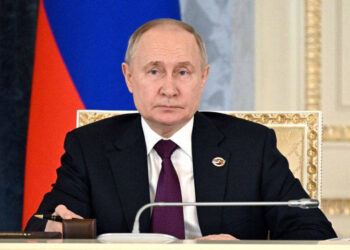

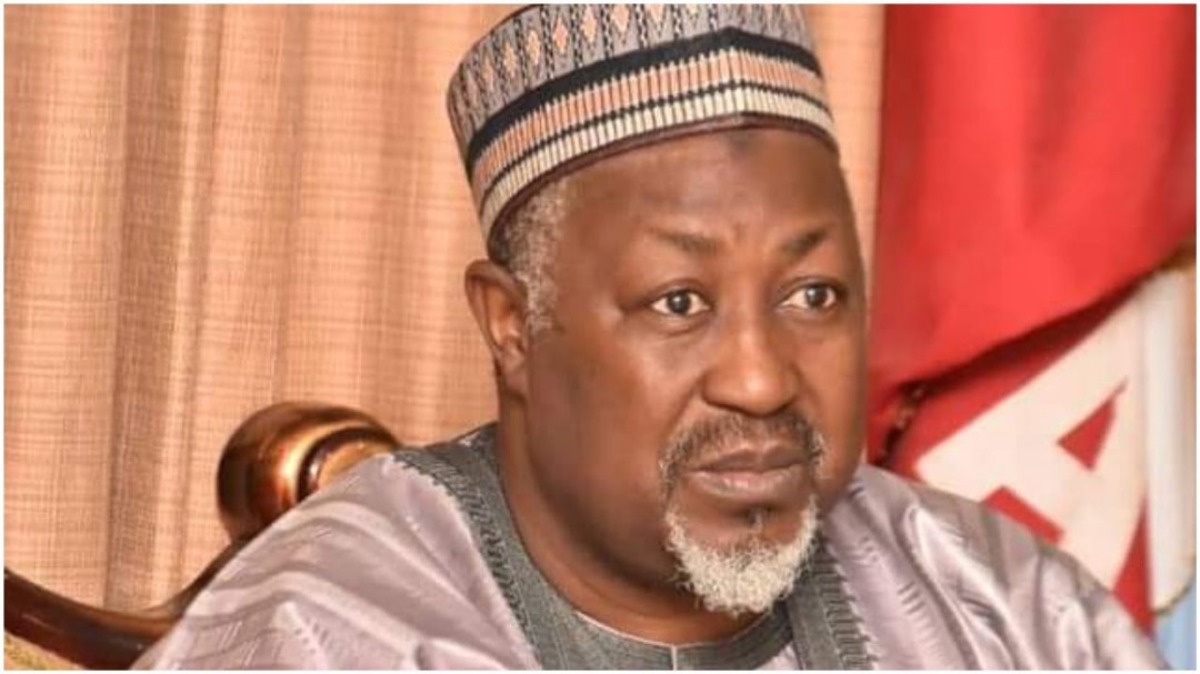
In a sudden and dramatic move that has no doubt sent shockwaves through the nation’s capital, Nigeria’s Minister of Defence, Mohammed Badaru, has abruptly resigned from office, citing “ill-health” and creating a critical power vacuum at the helm of the nation’s security apparatus in the midst of a declared nationwide security emergency.
A terse statement from President Bola Tinubu’s office confirmed the acceptance of the resignation, effective immediately, ending Badaru’s tenure just over two years after his appointment. The 63-year-old former governor of Jigawa State tendered his resignation in a letter dated December 1st, a move that blindsided political observers and military insiders alike. President Tinubu’s statement offered thanks for service during a period of “heightened security challenges” but provided no further details on the nature of the minister’s health concerns, fueling immediate speculation in Abuja’s power circles.
A Resignation Shrouded in Mystery
The timing of the resignation is what analysts are calling “politically incendiary.” It comes as the Tinubu administration is actively rolling out what it has termed a “security emergency” across the country, with the President himself scheduled to expand on these controversial measures in a major address within days.
“The Defence portfolio is not a ministry you leave quietly in the middle of a war,” said a senior aide to a Northern senator, speaking on condition of anonymity. “Submitting a resignation dated for a Monday, to take effect immediately, suggests this was not a decision long in the making, but a sudden rupture. The question everyone is asking in the corridors is: a rupture over what?”
Badaru, a key political figure from the North-West, was seen as a stabilizing force within the security cabinet. His sudden exit removes a significant voice from the region most afflicted by banditry and terrorist violence, raising concerns about the continuity and regional balance of the government’s security strategy.
The Succession Scramble and the “Musa Factor”
With the defence chair now empty, a fierce but quiet succession battle is already underway. All attention has turned to President Tinubu, who is expected to communicate his nominee to the Senate for confirmation later this week.
Multiple sources within the Presidency and security establishment have confirmed to Reuters that a leading contender is General Christopher Musa, the immediate-past Chief of Defence Staff. General Musa, a widely respected career soldier who retired from service earlier this year, is viewed by many as a “safe pair of hands” who commands respect across the various military service branches. His appointment would signal a deliberate shift towards placing a hardened military professional, rather than a politician, in charge of the wartime ministry.
However, his potential nomination is not without its political complications. Appointing a recently retired service chief risks upsetting the delicate civil-military balance and could be viewed as militarizing the political sphere. Tinubu may also face pressure to appoint another political heavyweight from the North to maintain the region’s representation in the security architecture.
Why It Matters
Let’s be honest here, the “ill-health” explanation is a diplomatic fig leaf. Defence ministers of major nations facing existential security threats do not tender immediate resignations for routine medical leave. They take a temporary absence. This is a political discharge, not a medical one.
The real story is unfolding in the vacuum Badaru left behind. His resignation, timed just before a major security announcement, suggests one of two explosive possibilities: either Badaru fundamentally disagreed with the aggressive new direction Tinubu is about to unveil and chose to jump rather than be pushed, or his departure was demanded to clear the deck for a successor willing to execute a more radical plan.
Tinubu’s choice of replacement will be the most revealing security decision of his presidency. Opting for a political ally will suggest business as usual—a grave error during a crisis. Choosing a battle-hardened general like Christopher Musa would be a recognition that Nigeria is truly in a state of war, requiring wartime leadership.
Either way, the sudden fall of the defence minister proves that the fiercest battles for Nigeria’s future are not fought in the forests of Sambisa, but in the silent, panelled offices of Aso Rock.