The final pillars of royal protection are crumbling around Andrew Mountbatten-Windsor. Following a week of unprecedented legal drama that saw the King’s brother arrested on his 66th birthday, the British government has now signaled that it is preparing the ultimate legislative weapon. On Friday, February 20, 2026, a high-ranking official confirmed that the government will consider new, targeted legislation to formally remove Andrew from the line of royal succession. This move, which would effectively “depose” him from his remaining hereditary standing, marks the most aggressive step taken by the state against a member of the Royal Family in centuries.
For years, Andrew has existed in a strange limbo, stripped of his military titles and the “His Royal Highness” style, yet still legally holding his place as eighth in line to the throne. That era of ambiguity is coming to an end. The government’s message is clear: once the current police investigation into his ties with the late Jeffrey Epstein concludes, the Parliament will move to ensure that Andrew Mountbatten-Windsor is erased from the constitutional future of the United Kingdom.
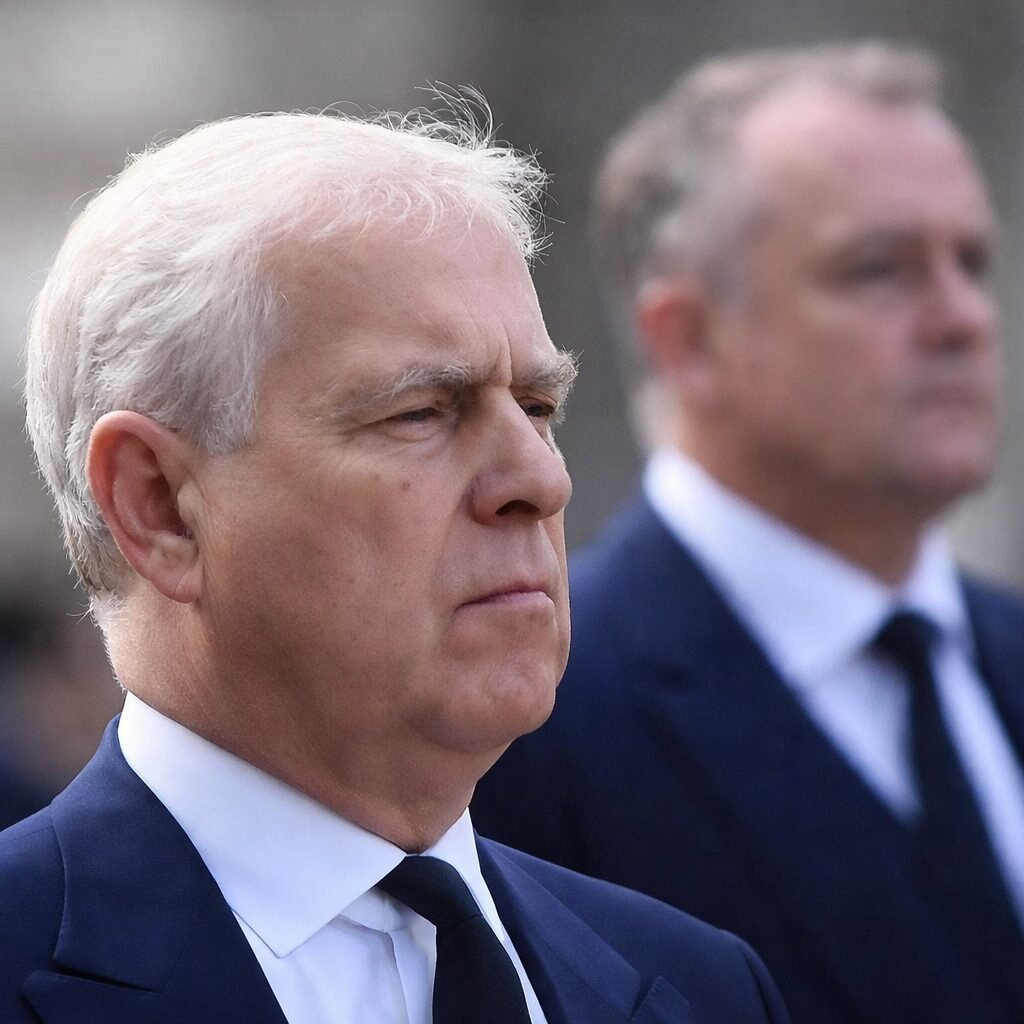
The Legislative Guillotine: Removing the Eighth in Line
Removing a person from the line of succession is not a simple administrative task. Currently, Andrew sits behind the Prince of Wales, his three children, and the Duke of Sussex’s family. While the chance of him ever wearing the crown is statistically minuscule, the symbolic weight of his inclusion has become an unbearable burden for a monarchy trying to modernize. The proposed legislation would be a “surgical strike” on the 1701 Act of Settlement, specifically designed to disqualify Andrew based on the gravity of the allegations currently being assessed by detectives.
The government official stated that this legislative path will be considered once the Thames Valley Police finish their investigation into “misconduct in public office.” By waiting for the police to conclude their work, the government is ensuring that any new law is backed by a mountain of evidence, making it nearly impossible for Andrew’s legal team to challenge the move as a mere political hit job.
The Commonwealth Complication
One of the biggest hurdles to turning Andrew into a fully deposed prince is the international nature of the Crown. King Charles is not just the King of the United Kingdom; he is the head of state for 14 other “realms,” including Canada, Australia, and Jamaica. Because the line of succession is shared across these nations, the UK government cannot simply change the rules in London and expect them to apply automatically everywhere else.
The official noted that any changes would require a massive “consultation and agreement” process with these countries. This means that Andrew’s downfall is now a global diplomatic issue. For the legislation to be effective, every one of these nations must agree to the change to avoid a constitutional crisis where Andrew might be eighth in line in London but still higher in the rankings in Canberra or Ottawa. This coordinated effort shows just how seriously the government is taking the threat his continued royal status poses to the international reputation of the monarchy.
From Favorite Son to Public Pariah
The shift in tone from the government follows a truly disastrous week for the former Duke of York. His arrest on Thursday, coinciding with his birthday, sent shock through the country, particularly after images emerged of him looking “haunted” and “slumped” in the back of a police vehicle. The investigation into whether he leaked confidential trade documents to Jeffrey Epstein has transformed the narrative from one of personal moral failure to one of potential criminal betrayal of the state.
King Charles has already signaled his “wholehearted support” for the legal process, effectively throwing his brother to the wolves. By supporting the police and allowing the government to discuss succession legislation, the King is prioritizing the survival of the institution over the protection of his sibling. The “favorite son” of the late Queen is now a man without a country, without a title, and soon, without a place in the history of the British throne.
The End of Royal Immunity
As the forensic searches continue at his former homes and the government coordinates with global leaders, the walls are closing in. Andrew Mountbatten-Windsor is learning the hard way that in 2026, the blood of a King is no longer a shield against the consequences of the law. The era of the “Deposed Prince” has arrived.