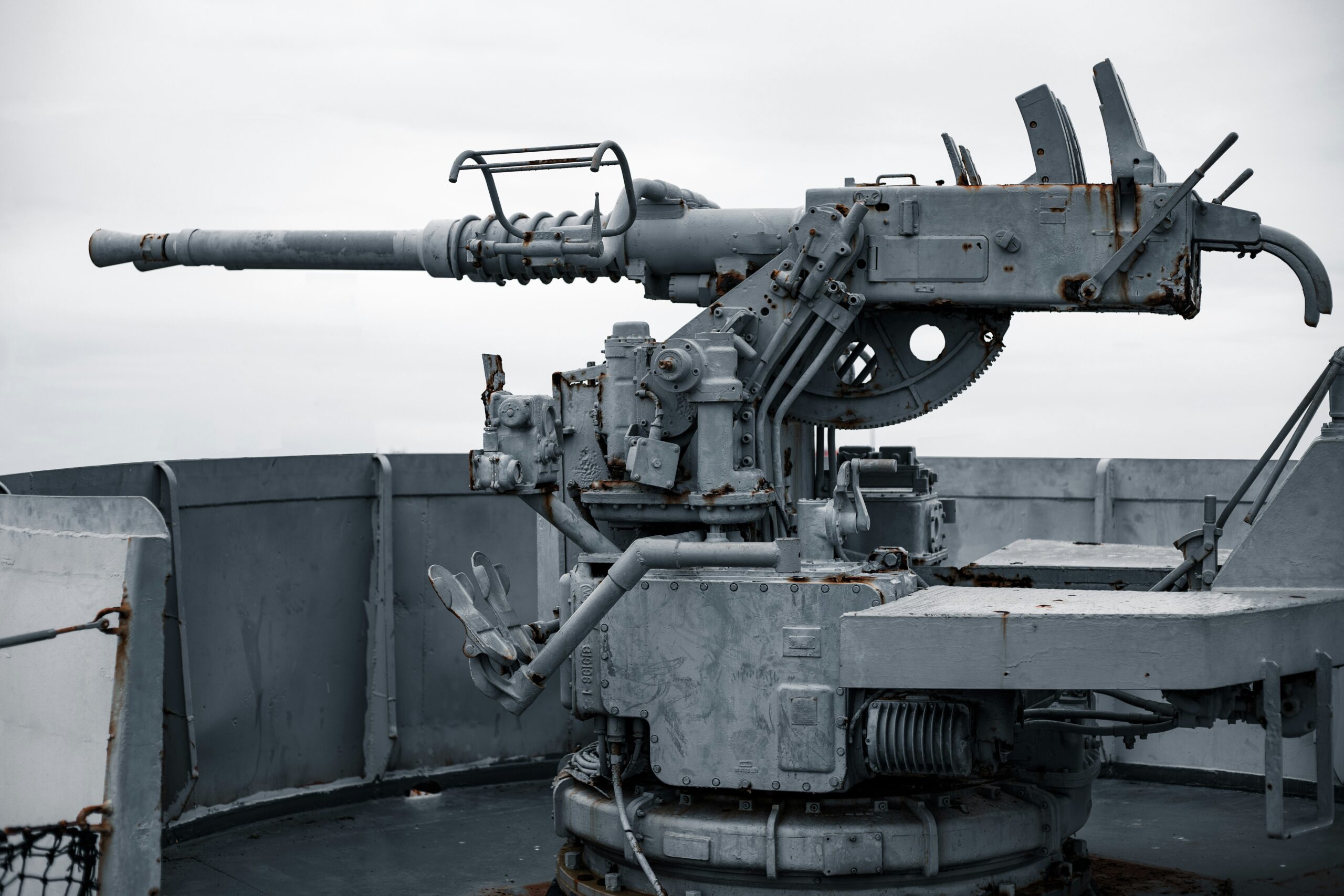

The war between the U.S.-Israeli coalition and Iran widened sharply on Wednesday, as the conflict expanded thousands of miles beyond the Persian Gulf. In a stunning display of naval power, a U.S. submarine sank an Iranian warship off the southern coast of Sri Lanka, marking the first time an American submarine has destroyed an enemy vessel with a torpedo since World War II.
The escalation comes as NATO air defenses were forced into action to protect Turkey, a NATO member state, after Iran fired a ballistic missile toward Turkish airspace. The missile was intercepted over the Dörtyol district of Hatay, leaving debris scattered across the region but causing no casualties.
“A Quiet Death” in the Indian Ocean
Defense Secretary Pete Hegseth confirmed the sinking of the Iranian frigate IRIS Dena during a Pentagon briefing. The warship, which had been returning from a maritime exercise in India, was reportedly hit by a single torpedo. “An American submarine sunk an Iranian warship that thought it was safe in international waters,” Hegseth stated. “Instead, it was sunk by a torpedo. Quiet death.”
Sri Lankan authorities have recovered 87 bodies and rescued 32 survivors, though nearly 60 sailors remain missing. This strike proves that the U.S. is committed to the total destruction of the Iranian Navy, regardless of where its ships are hiding.
NATO and the Turkish Border
The missile incident in Turkey marks the first time the Atlantic alliance has been directly drawn into the line of fire. While the U.S. suggests this does not yet trigger the Article 5 collective-defense clause, the tension in Ankara is at a breaking point. The missile, detected passing through Iraqi and Syrian airspace, was neutralized by NATO elements in the Eastern Mediterranean.
Secretary Hegseth warned that while the U.S. “can’t stop everything,” the coalition now has “uncontested airspace” over the region. He announced that the U.S. is transitioning from expensive cruise missiles to a “nearly unlimited stockpile” of GPS-guided gravity bombs to systematically raze Iran’s military industrial base.
Mojtaba Khamenei: The New Face of the Regime
As bombs fall on Tehran, the political future of Iran is being decided in bunkers. Mojtaba Khamenei, the son of the slain Ayatollah Ali Khamenei, has emerged as the frontrunner to succeed his father. Reports from the Assembly of Experts suggest he was chosen under intense pressure from the Islamic Revolutionary Guard Corps (IRGC).
If Mojtaba takes the throne, it signals that the hardliners have no intention of surrendering. Meanwhile, Israeli aircraft have reportedly struck a massive compound in eastern Tehran that housed the nerve center of Iran’s security forces, including the Republican Guard and cyber warfare divisions.
Global Markets in a “Rout”
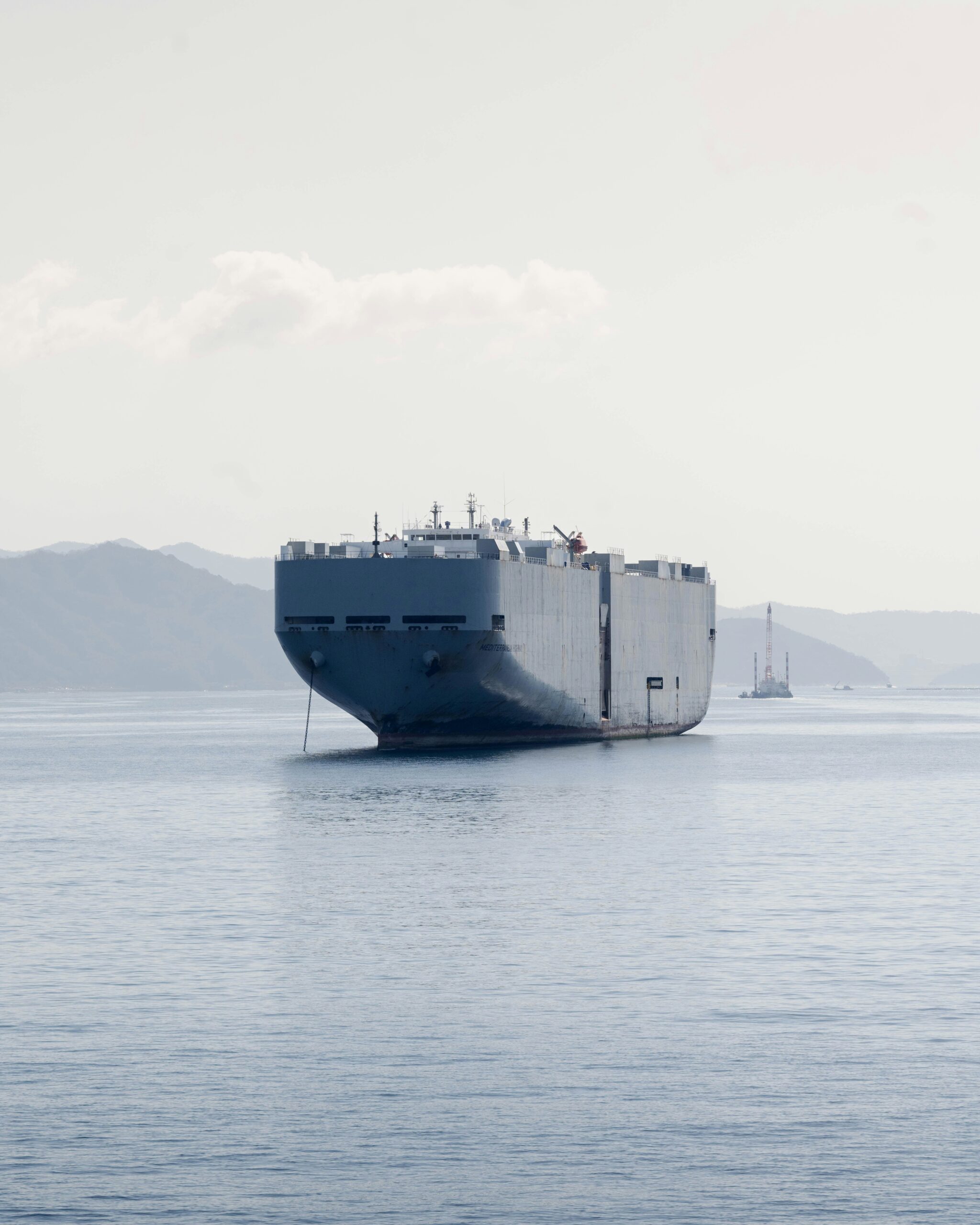
The expansion of the war into the Indian Ocean and toward NATO borders has sent shockwaves through the global economy. A record-breaking crash in Seoul and volatility in European markets reflect deep investor fear. While President Trump has promised naval escorts for energy exports, at least 200 vessels remain anchored and unable to move through the Strait of Hormuz, which remains a “no-go” zone for a fifth consecutive day.