
Almost two weeks of relentless bombing have killed Iran’s supreme leader, destroyed much of its military infrastructure, and plunged the Middle East into chaos. But the regime’s most vocal opponents have a stark warning for Washington and Jerusalem: the clerics are still standing.
“The 12-day war proved that bombings cannot overthrow the regime,” Mohammad Mohaddesin, head of foreign policy at the National Council of Resistance of Iran (NCRI), told a news conference Thursday.
His message cuts to the heart of a central question as the conflict enters its second week: if 12 days of devastating airstrikes — including the assassination of Ayatollah Ali Khamenei himself — haven’t toppled the Islamic Republic, what will?
“Even if you have 50,000 armed soldiers on the ground, you need the support of Iranian people,” Mohaddesin said. “You need a popular uprising. The combination of this 50,000 or 20,000 or any other number with a popular uprising, then you have this power to overthrow the regime.”
He dismissed the possibility of U.S. ground troops as unrealistic.
The Grim Math
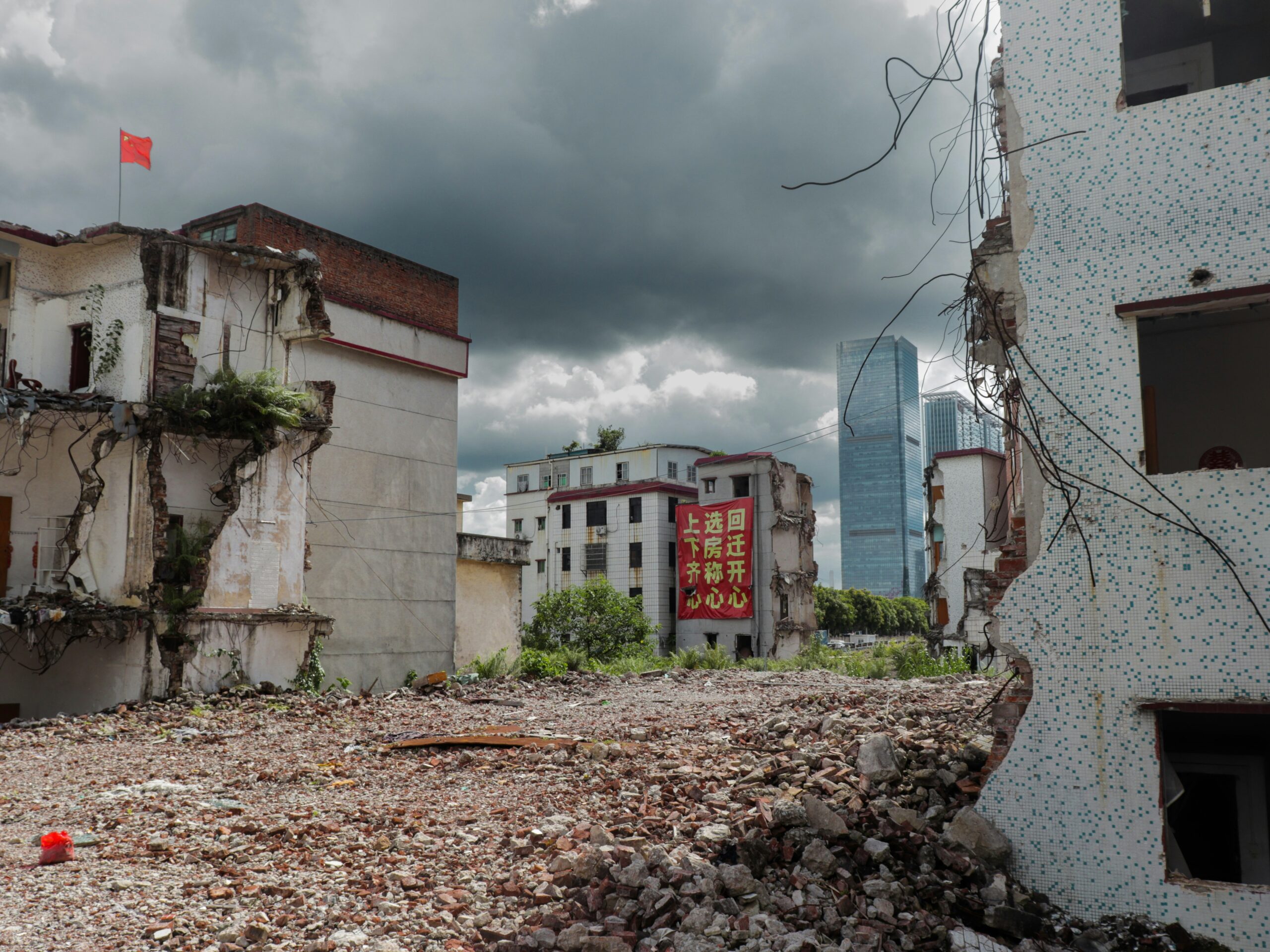
The numbers are staggering. Around 2,000 Iranians have been killed since the U.S.-Israeli campaign began on February 28. Khamenei is dead. Military and security infrastructure across the country lies in ruins.
Yet the Islamic Revolutionary Guard Corps has tightened its grip on power. And they’ve threatened to crush any unrest with the same brutality that killed thousands during January’s protests.
The regime, wounded but not broken, is fighting back.
The Opposition’s Dilemma
The NCRI, also known by its Farsi name Mujahideen-e-Khalq, was listed as a terrorist organization by the United States until 2012. It remains banned in Iran, and its actual level of support inside the country is unclear. Along with its bitter rival — the monarchists backing Reza Pahlavi, exiled son of the last shah — it is one of the few opposition groups able to rally supporters abroad.
Mohaddesin acknowledged his group alone cannot bring down the system. But he argued that mass protests, like those that raged in January until they were bloodily suppressed, will resume once the bombing stops — and could eventually shift the balance.
“I cannot say how many months or a year, but … this is the track of overthrowing the regime,” he said.
Israel’s Stated Goal
Israeli officials have said one of their objectives is to weaken Iran’s security apparatus so that its people can take control of their own destiny. But Mohaddesin’s warning suggests that the objective may be further away than Tel Aviv hopes.
The bombs have killed a leader, but they have not killed a system.
For the regime’s opponents, the path forward remains what it has always been: internal resistance, mass protest, and the slow, grinding work of building opposition. The war has changed many things. It has not changed that.
“I cannot say how many months or a year,” Mohaddesin said. “But this is the track.”