Iran launched a coordinated drone and missile assault on Monday targeting Dubai International Airport and the Fujairah oil port, the UAE’s most critical energy hub, in a dramatic escalation of the three-week-old war.
Flights at the world’s busiest airport for international passengers were temporarily suspended after a fire broke out near the terminal following a “drone-related incident”. Some flights were delayed, others canceled outright — another blow to the UAE’s carefully cultivated image of safety and stability.
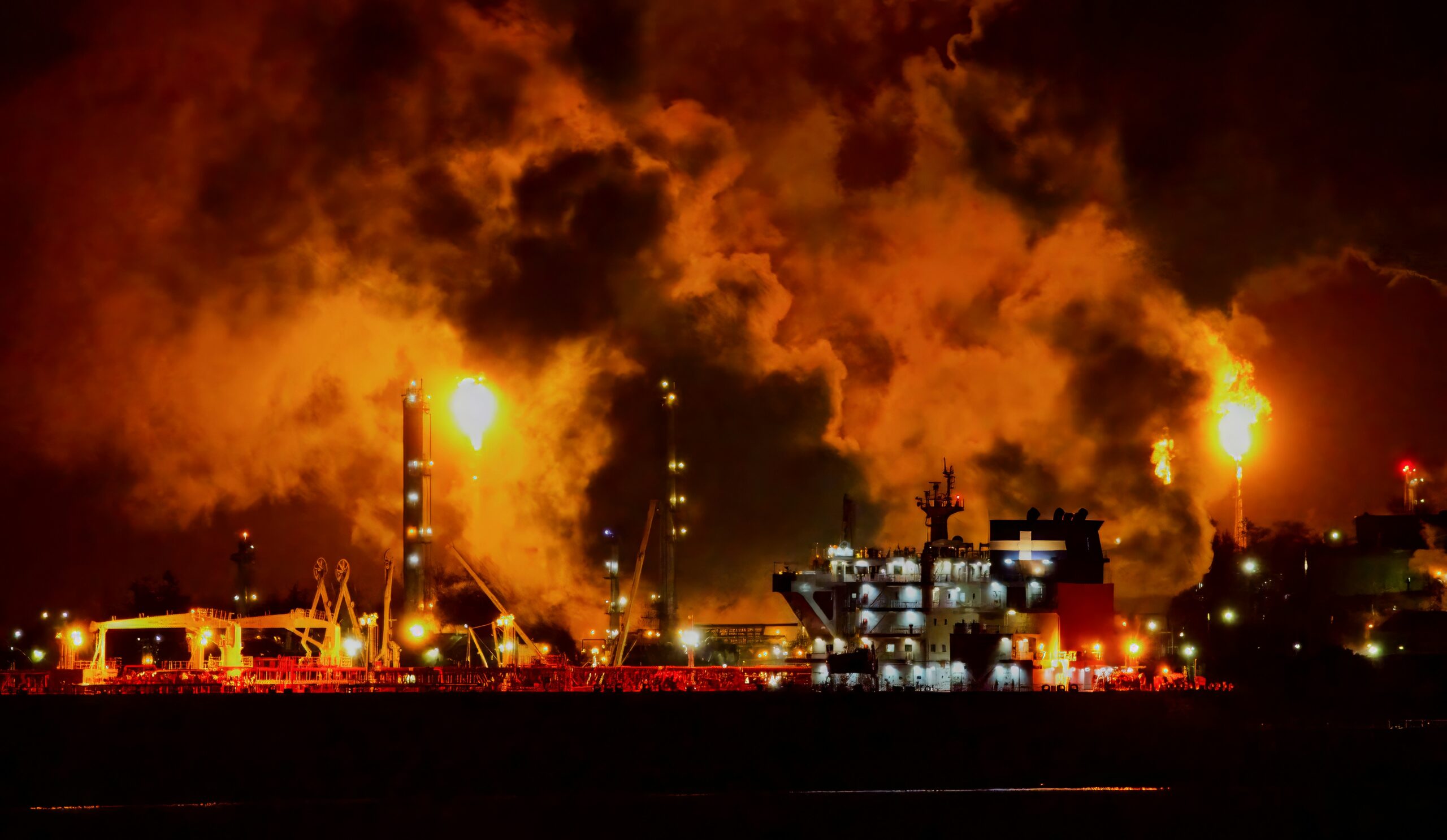
Simultaneously, a drone struck oil facilities at Fujairah, one of the largest storage terminals in the region, igniting a blaze that forced a temporary halt to loading activities while damage assessments were conducted.
A rocket attack on a car on the outskirts of Abu Dhabi killed a Palestinian national, the city’s Media Office reported.
UAE air defense systems intercepted six ballistic missiles and 21 drones on Monday, the Ministry of Defence said. Since the war began, Iran has launched over 1,900 missiles and drones at the UAE.
Monday’s strike near Dubai airport marked the third such incident since the conflict started.
Why Fujairah Matters
Fujairah sits on the UAE’s eastern coast, on the Gulf of Oman — not the Persian Gulf. Its location means vessels can reach it without navigating the Strait of Hormuz, the narrow waterway Iran has effectively closed since the war began.
This makes the port strategically irreplaceable.
“Fujairah plays a crucial role in helping keep global supplies moving when the Strait of Hormuz is blocked,” said Justin Harper, editor of CEO Middle East, who regularly speaks to Dubai’s oil industry executives. “If tensions with Iran disrupt the chokepoint, the UAE can still export oil through Fujairah via pipelines from the oilfields in Abu Dhabi”.
The port city is ideally placed to bypass the Strait of Hormuz, said Dubai-based oil analyst Matt Stanley of commodities data provider Kpler . “The UAE’s state oil company Adnoc have their oil tankers there. It is crude grade oil which is what the Asian buyers want”.
Fujairah sits close to India and is the “first stop out of the Middle East on the way to Singapore and China,” Stanley added. It has become a critical bunkering hub — “like a huge vending machine” providing fuel, food and water to container ships that have been at sea for 25 or 30 days.
The Message
By targeting Fujairah, Iran is signaling that no port is safe — not even those outside the Strait of Hormuz.
“Iran wants to disrupt the flow of energy,” Stanley said. Hitting a storage tanker and oil facilities at Fujairah “shows the vulnerability of Gulf infrastructure”.
The message is clear: the UAE cannot simply bypass the strait and pretend the war is elsewhere. Iran’s reach extends to every corner of the Gulf.
Dubai’s Resilience
Despite the attacks, Dubai’s business community is determined to project normalcy.
Restaurants have been offering deals to lure customers back. “The malls still seem to be busy,” Harper observed. People “underestimate Dubai and its ability to survive a downturn”.
Last week, UAE Minister of State Lana Nusseibeh vowed in a BBC interview that her country would “bounce back” from the conflict, insisting its economy was “resilient”.
But Monday’s coordinated strikes — hitting both the world’s busiest airport and the region’s most critical oil bypass — tested that resilience as never before.
What Comes Next
The UAE’s Defence Ministry confirmed the interceptions but provided no details on how long flights would be suspended or when oil loading might resume at Fujairah.
Iran has made clear it will continue targeting Gulf infrastructure until the U.S.-Israeli campaign against its homeland stops. With more than 1,900 missiles and drones already launched at the UAE alone, there is no sign of Tehran backing down.
For Dubai, a city built on openness, tourism and global connectivity, the attacks strike at its very identity. For Fujairah, they threaten its strategic role as the Gulf’s energy bypass.
And for the war itself, Monday’s coordinated assault marks a dangerous new phase: Iran is no longer just retaliating. It is systematically dismantling the infrastructure that keeps the global economy moving.