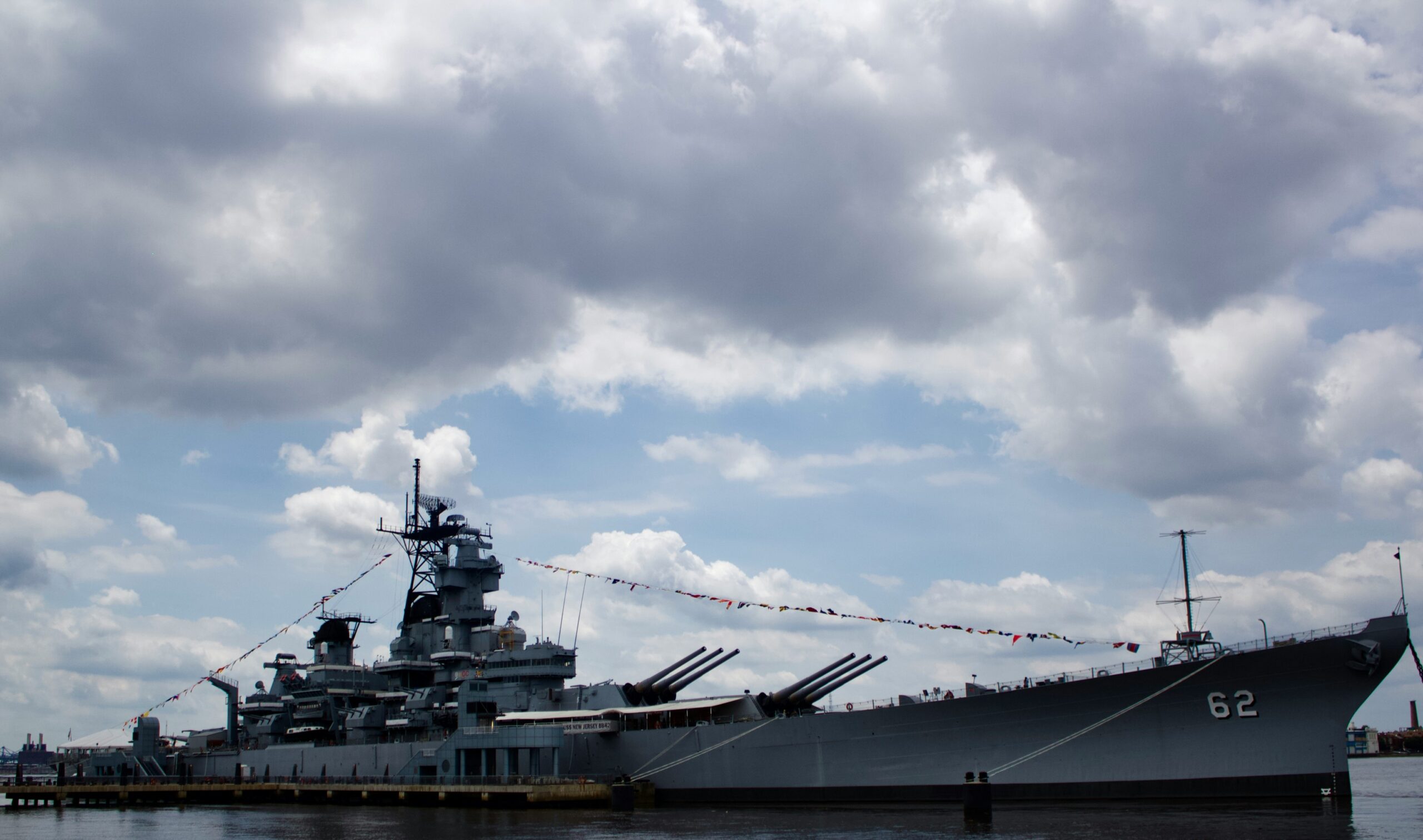

The U.S. military is rapidly moving to reinforce its positions in the Middle East, deploying thousands of additional Marines and sailors despite conflicting messages from the Oval Office. On Friday, officials confirmed that the USS Boxer, a Wasp-class amphibious assault ship, along with its full Marine Expeditionary Unit (MEU), has departed the West Coast significantly ahead of its original 2026 schedule.
Accelerated Timelines
The deployment is a clear indicator that the Pentagon is bracing for a sustained ground or amphibious component to the ongoing conflict. While President Trump told reporters just 24 hours ago that he was not putting troops “anywhere,” the reality on the water suggests otherwise.
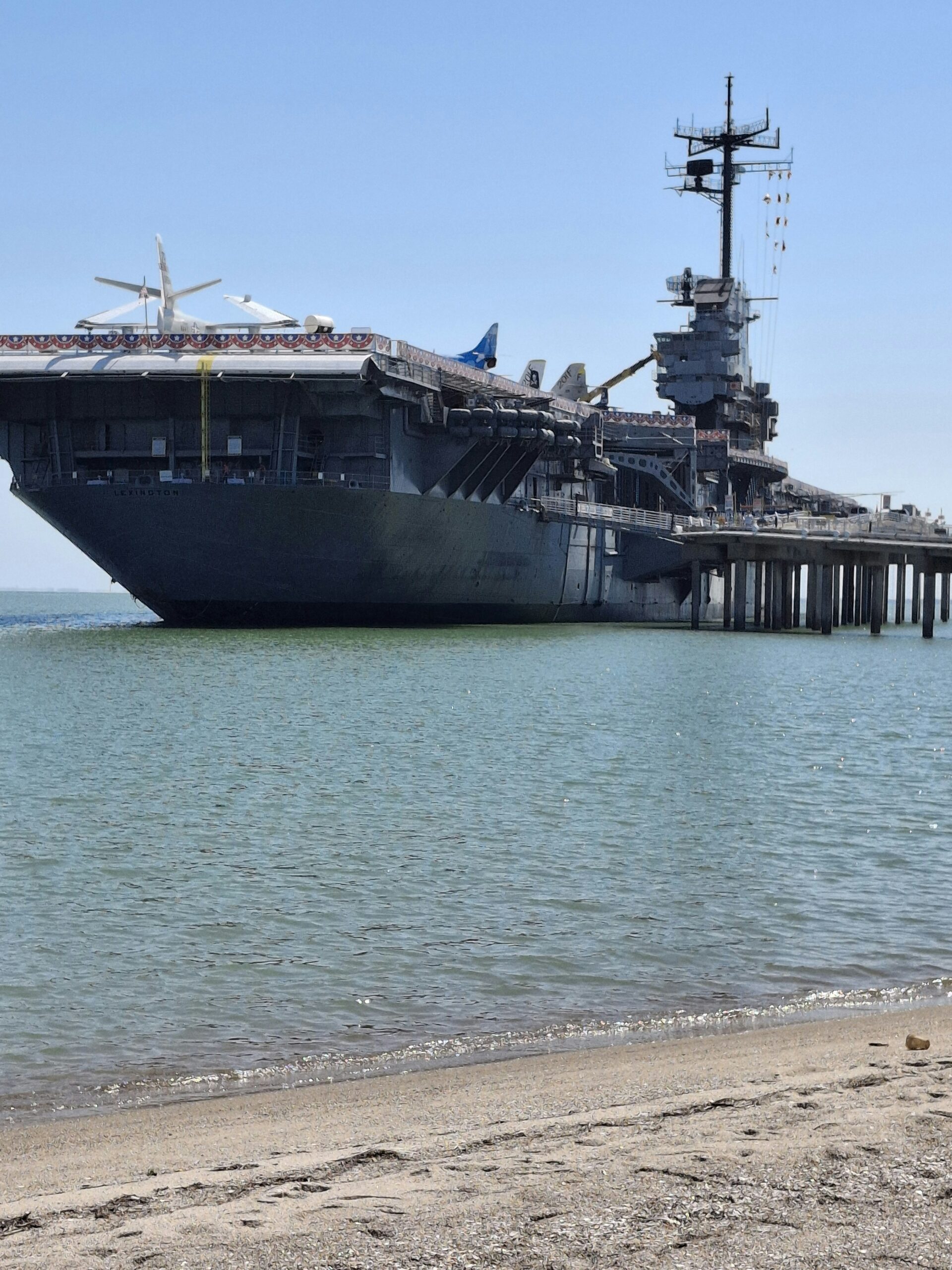
The departure from the West Coast was moved up by 21 days, suggesting an urgent need for personnel to counter Iranian threats to maritime trade and regional bases. Capable of landing Marines via air and sea, the Boxer serves as a floating base for “Operation Epic Fury,” providing the flexibility for rapid intervention in the Strait of Hormuz. Neither the White House nor the Pentagon has officially commented on the specific role of these thousands of troops, fueling speculation that “decapitation” strikes or ground incursions are being planned.
Regional Unrest Grows
The surge comes at a somber time for the region. As Lebanese Muslims observe Eid al-Fitr, the displacement crisis caused by Israeli strikes has left millions without homes. In Kuwait, a major refinery was hit by Iranian missiles today, while in Israel, a government spokesman was killed in a targeted strike. The arrival of thousands of fresh U.S. troops into this environment is being seen by many regional analysts as the “final match” in a powder keg.
The Credibility Gap
The Trump administration is playing a dangerous game with the American public. By denying troop movements while simultaneously “expediting” them by weeks, the White House is creating a massive credibility gap. Trump’s strategy of “not signaling” to the media might work for a surprise strike, but you cannot hide a massive naval expeditionary force once it leaves port.
As the cost of the war climbs toward the requested $200 billion, and with the tragic passing of American icons like Chuck Norris dominating domestic headlines, the administration seems to be hoping this surge will go unnoticed until it is “over with pretty soon.” However, as these Marines head toward a zone where F-35s are being hit and refineries are burning, the reality of a “boots on the ground” escalation is becoming impossible to ignore.