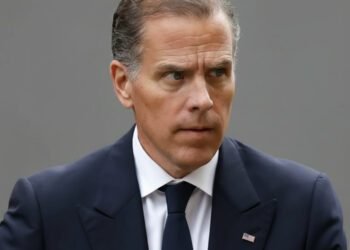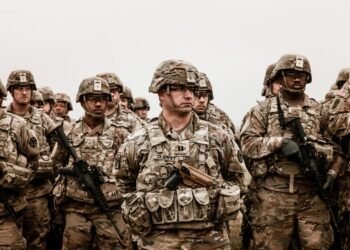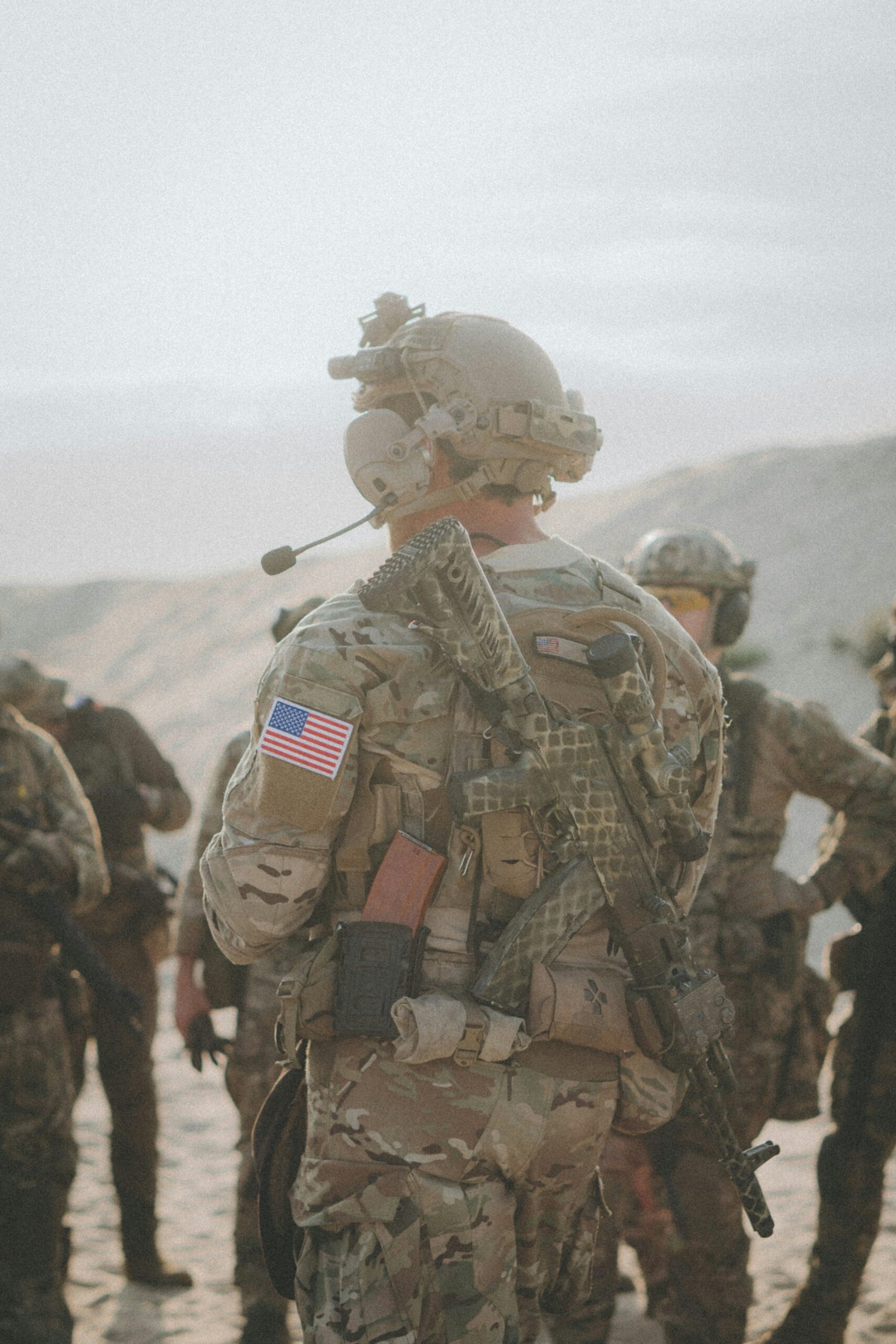

Speaking from Le Bourget airport in Paris on Friday, March 27, 2026, Secretary of State Marco Rubio delivered a bold assessment of the ongoing conflict. Despite the recent deployment of thousands of airborne troops and Marines to the region, Rubio insisted that the U.S. can achieve its primary objectives, the total destruction of Iran’s drone and missile factories, navy, and air force, entirely from the air and sea.
According to Rubio, the mission is moving at a pace that will see the operation conclude in “weeks, not months,” a statement designed to calm nervous global markets and G7 allies.
Strategic Objectives and Global Contributions
The Secretary of State’s comments outlined a clear “exit strategy” that focuses on surgical destruction rather than regime change through occupation.
The primary goal remains the neutralization of Iran’s ability to project power via its “Operation Epic Fury” retaliatory strikes. Rubio floated a controversial proposal suggesting that once the conflict ends, the international community, specifically Asian and European nations that rely on the Strait of Hormuz, must contribute financially and militarily to its security. Addressing the elephant in the room, Rubio explained that the surge of ground forces is merely to provide President Donald Trump with “maximum optionality” for unforeseen contingencies, rather than a planned invasion.
The Looming Deadline
While Rubio’s tone was triumphant, the reality on the ground remains volatile. Oil prices have seen their first weekly decline since the war began, but the threat of a prolonged blockade or a “tolling system” established by a desperate Tehran remains a significant risk to the global economy.
Rubio’s insistence that no ground troops are needed also serves as a diplomatic shield against accusations of “forever wars.” By framing the conflict as a time-bound, objective-based surgical strike, the Trump administration is attempting to maintain domestic support while avoiding the pitfalls of previous Middle Eastern entanglements.
A High-Stakes Gamble on Air Power
Rubio is walking a very fine line. By promising a conclusion in “weeks,” he is setting a deadline that the Iranian Revolutionary Guards will undoubtedly try to sabotage. If Tehran can hide even a third of its missile arsenal, as recent intelligence suggests, Rubio’s “ahead of schedule” claim could quickly turn into a political liability.
Furthermore, demanding that allies pay for Hormuz security after the U.S. and Israel have finished their strikes is a “Trump-era” diplomatic maneuver that may not sit well with the G7. Rubio is essentially telling the world: “We’ll break the door down, but you’re paying for the new locks.”