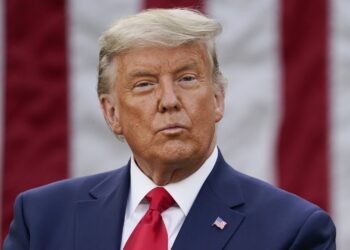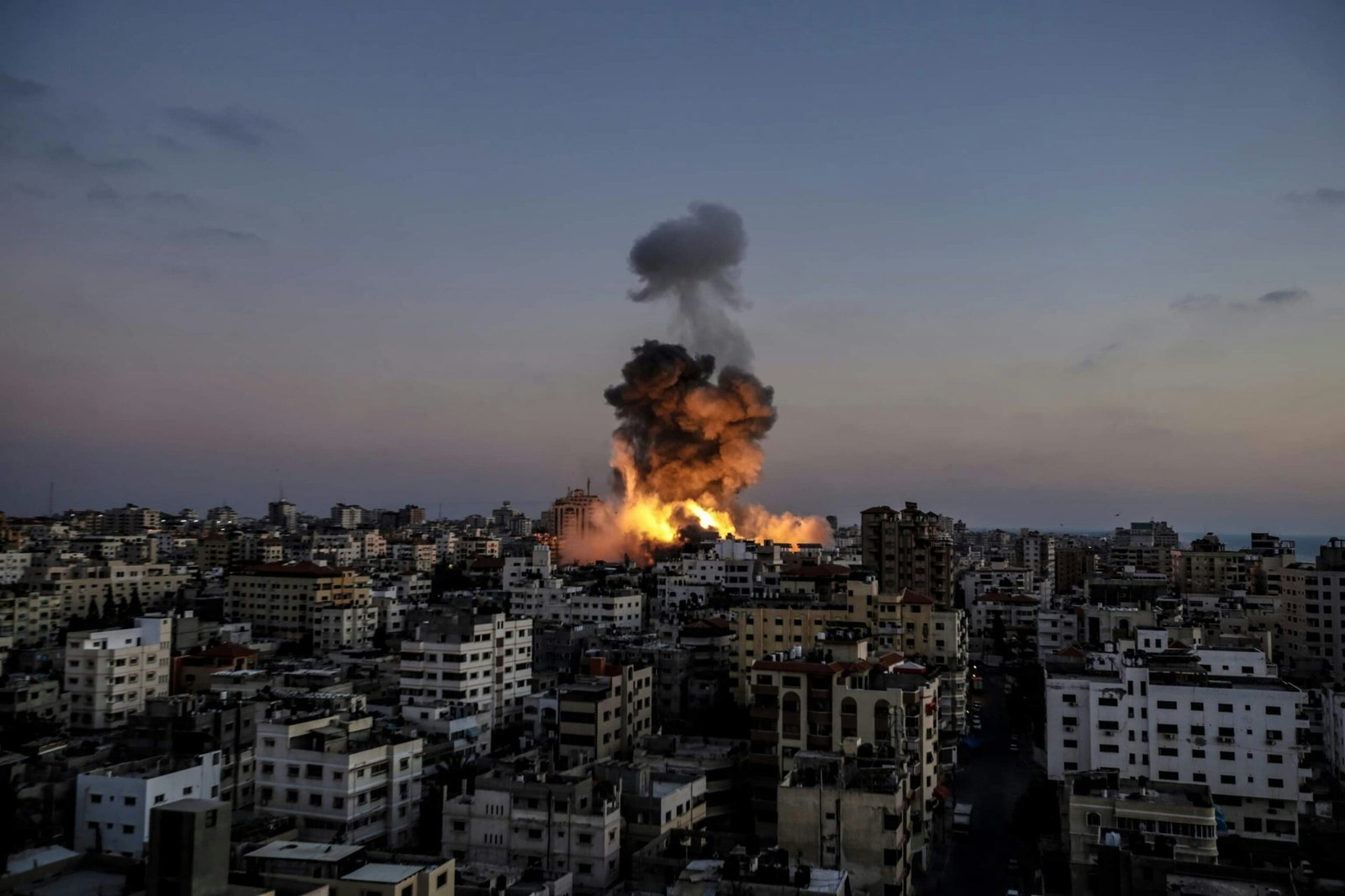

President Donald Trump stood outside the White House on Thursday to announce what he described as the threshold of a historic agreement. After a month of high-intensity airstrikes and a naval blockade that paralyzed the Iranian economy, Iran has offered a 20-year ban on nuclear weapons development to secure an immediate end to the U.S. bombing campaign.
The Mechanics of the “Great Concession”
The proposal represents a massive shift from Tehran’s previous insistence on a maximum five-year pause. Trump confirmed that Iran is now open to a two-decade suspension of all nuclear weapons activities, moving significantly closer to the U.S. demand for a total, long-term ban. In a reversal of a longstanding “red line,” Iranian sources indicate that Tehran is finally considering shipping part of its highly enriched uranium (HEU) stockpile out of the country.
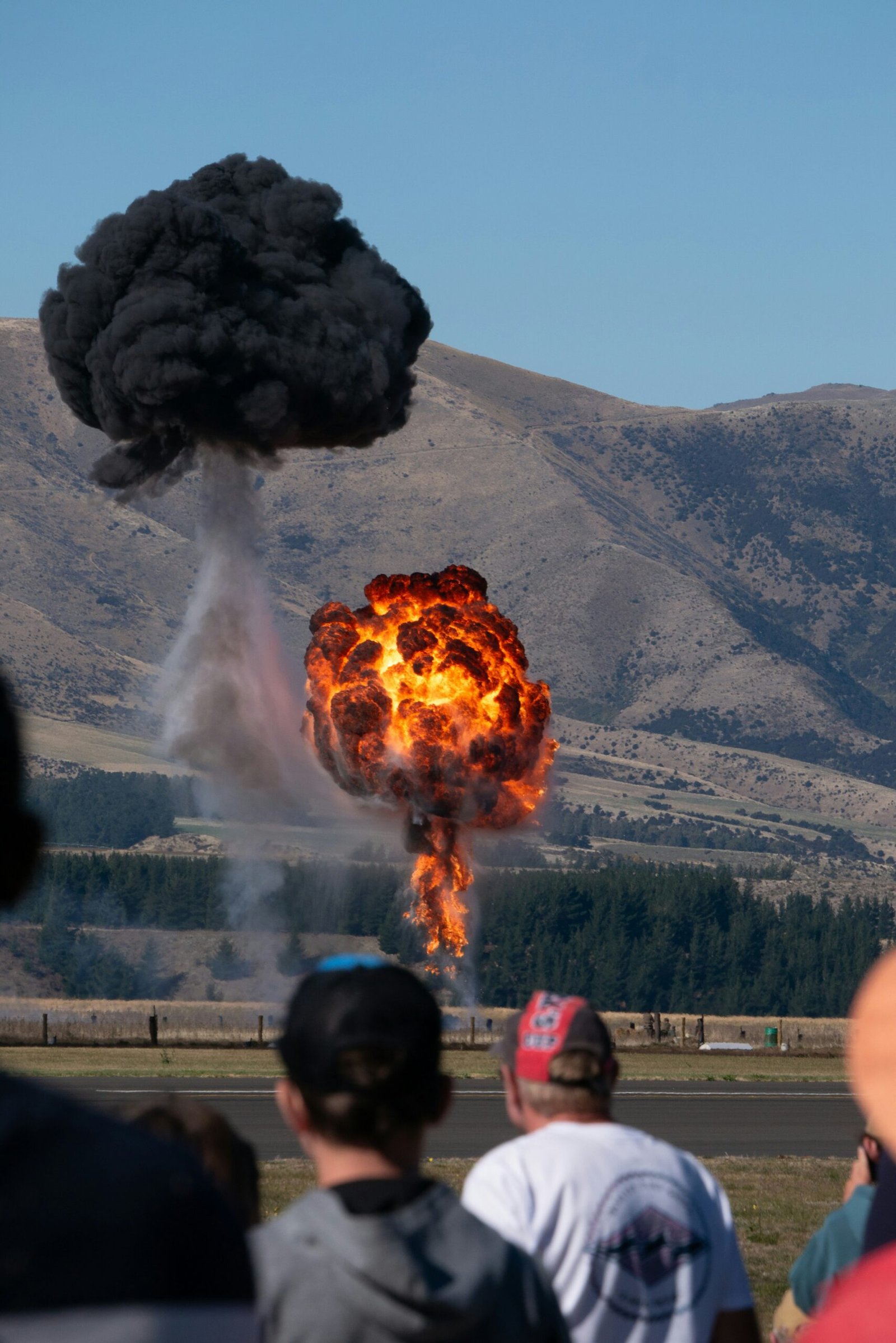
Trump attributed the breakthrough to a “combination of about four weeks of bombing and a very powerful blockade,” stating that the Iranian regime “wants to make a deal very badly.”
The Lebanon-Israel Breakthrough
Parallel to the Iran talks, a fragile peace has been established on the northern front. Israel and Lebanon have agreed to a 10-day ceasefire beginning at 5 p.m. EST on Thursday. Trump announced plans to host Israeli Prime Minister Benjamin Netanyahu and Lebanese President Joseph Aoun for “meaningful talks” to turn the temporary truce into a permanent security agreement. While the ceasefire aims to halt the reignited conflict with Hezbollah, the 10-day window is seen as a “test of faith” for all parties involved.
Economic Optimism and “Nuclear Holocaust”
The President framed the potential deal not just as a military victory, but as an economic necessity for the American people.
Trump predicted that a finalized deal would cause oil prices and inflation to “go way down,” easing the global energy crisis caused by the closure of the Strait of Hormuz. “Much more importantly than even that,” Trump noted, “you won’t have a nuclear holocaust.”
Do you believe a 20-year ban is a sufficient “Grand Bargain” to justify the humanitarian and economic cost of the war, or should the U.S. refuse to stop the bombing until a permanent, indefinite ban is signed?