
The United States imposed a naval blockade on Iran’s ports and coasts on April 13. Warships are patrolling. Tankers are being turned back. The pressure is meant to be crippling.
But according to Iran’s agriculture minister, the blockade is barely a problem.
Iran’s agriculture minister said the US naval blockade has had little impact on the country’s ability to supply basic goods and food, citing strong domestic production and alternative import routes. “Despite the US naval blockade, we have no problem in supplying basic goods and food because, due to the size of the country, it is possible to import from different borders,” Agriculture Minister Gholamreza Nouri said on Tuesday.
The Domestic Production Claim
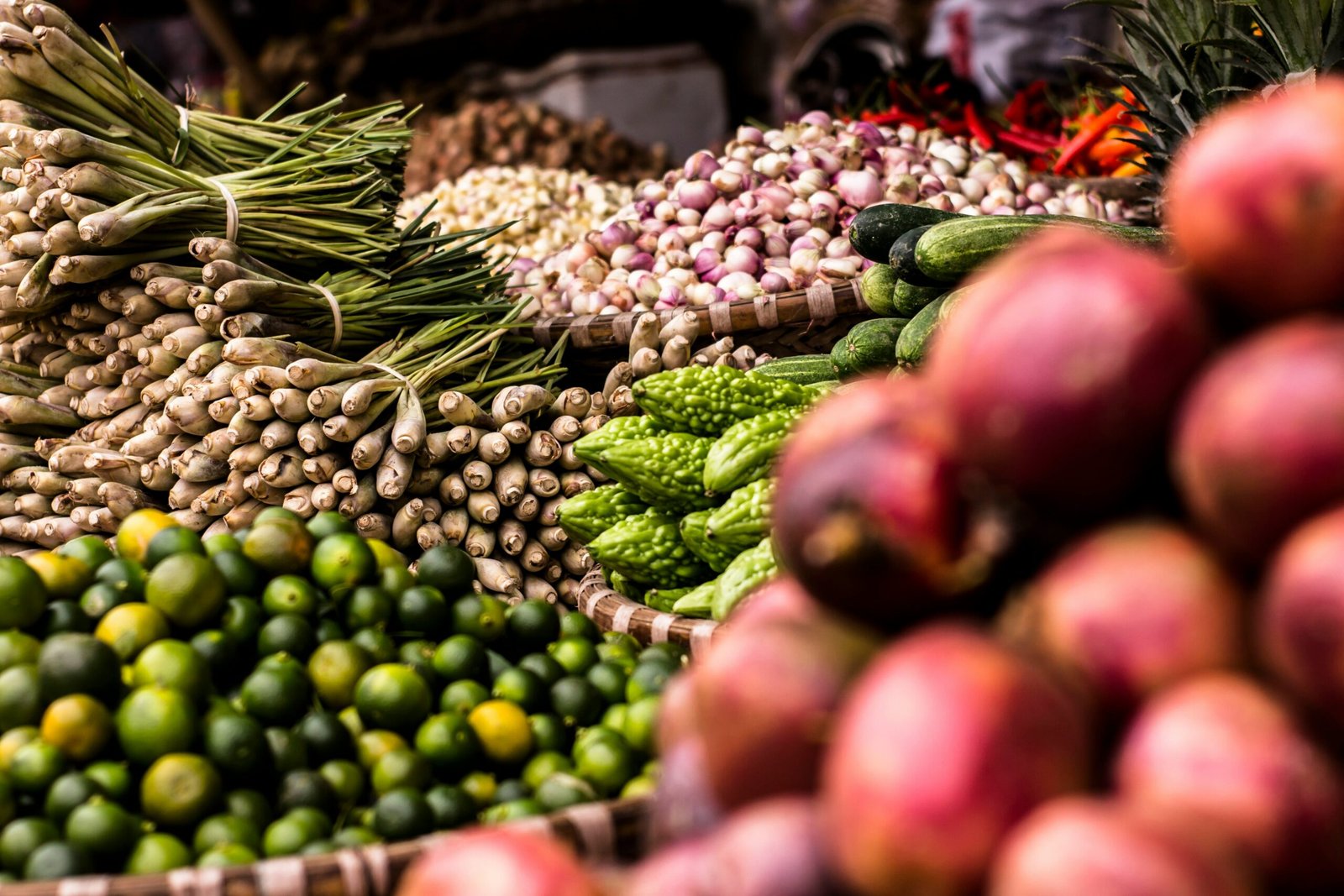
Nouri’s most striking assertion is about self-sufficiency. “About 85 percent of agricultural products and basic goods are produced domestically, so the country’s food security is established,” he said, according to the official IRNA news agency.
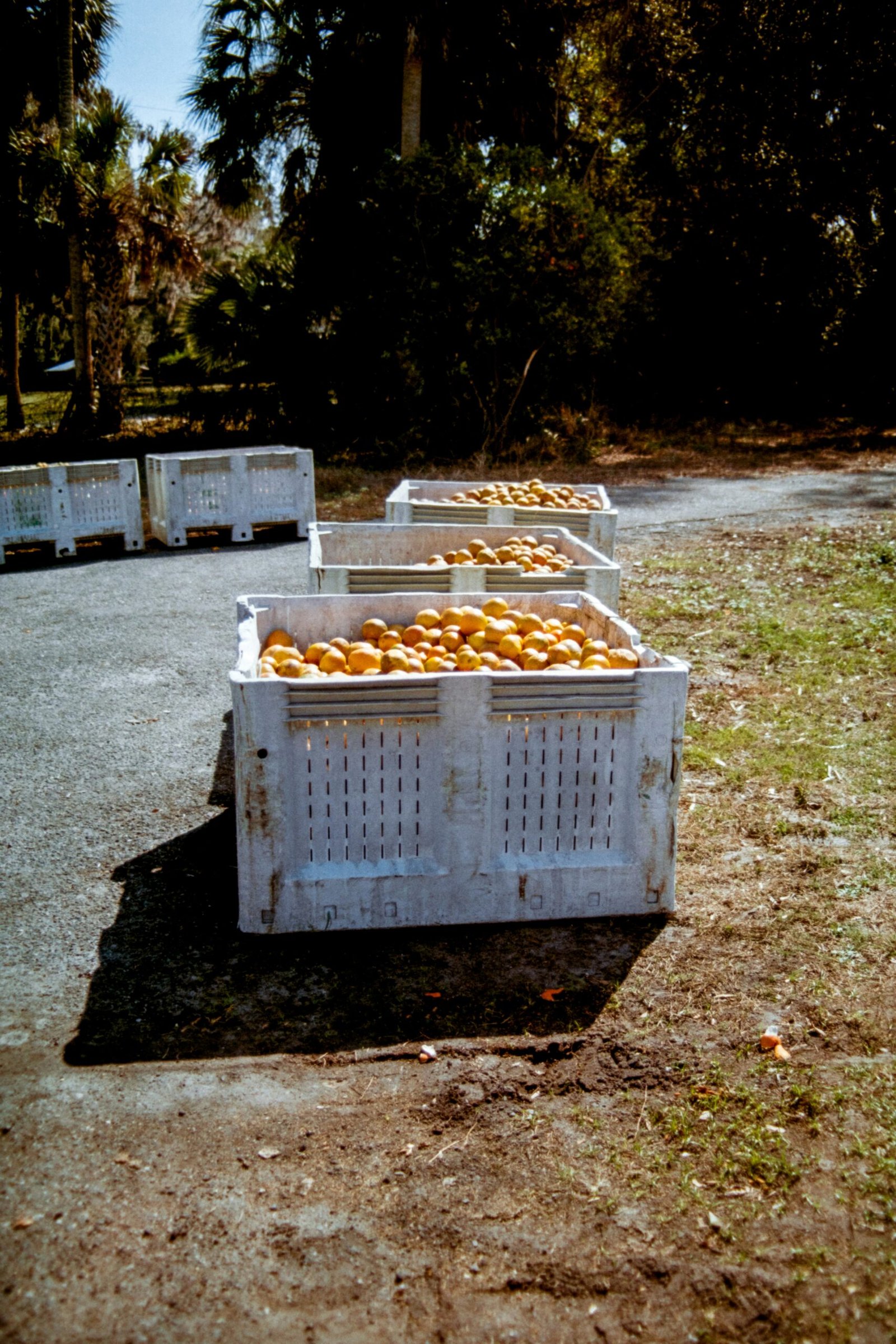
If true, that number changes the calculus of the blockade. A country that produces 85 percent of its own food does not need imports to survive. It can weather a blockade far longer than a nation dependent on foreign supplies. The remaining 15 percent, Nouri claims, can be sourced through alternative borders — land crossings with neighboring countries that US warships cannot interdict.
Iran has strongly criticized the blockade, describing it as a violation of the ceasefire that paused its war with the United States. But criticism is not the same as suffering. Nouri’s comments suggest that, at least for now, Iran is not suffering.
The Strategic Calculation
The United States imposed the blockade days after a ceasefire was announced. The timing was deliberate. The message was that the pause in hostilities would not mean a pause in pressure. But if Iran’s agriculture minister is to be believed, the pressure is not landing where the US intended.
A blockade is designed to choke. It targets imports of fuel, food, medicine, and industrial inputs. The goal is to make life so difficult that the targeted country returns to the negotiating table on the blockader’s terms. For that to work, the targeted country must actually feel the pinch.
Iran is claiming it does not. Whether that claim is true or a propaganda statement is another question. The Iranian government has every incentive to project strength. Admitting that the blockade is causing shortages would be an admission of vulnerability. The agriculture minister’s comments are as much about morale as they are about facts.
The Alternative Routes
Nouri’s reference to “different borders” is significant. Iran shares land borders with Pakistan, Afghanistan, Turkmenistan, Azerbaijan, Armenia, Turkey, and Iraq. Not all of those borders are secure. Not all of those countries are friendly. But the sheer number of entry points makes a complete blockade impossible.
The US Navy can stop ships in the Persian Gulf and the Gulf of Oman. It cannot stop trucks crossing from Turkey or Pakistan. Iran’s claim that it can import through land borders is credible. The question is whether those land routes can supply enough volume to compensate for the loss of seaborne trade.
The agriculture minister says yes. The US says no. The truth is likely somewhere in between.
The Bottom Line
Iran’s agriculture minister said Tuesday that the US naval blockade has had little impact on the country’s ability to supply basic goods and food. He cited strong domestic production — claiming 85 percent of agricultural products are produced locally — and alternative import routes through land borders. The United States imposed the blockade on April 13, days after a ceasefire was announced. Iran has strongly criticized the blockade as a violation of the ceasefire.
The minister’s comments are a direct dismissal of US pressure. Whether they reflect reality or propaganda, the message is clear: Tehran is not panicking about food. And until it does, the blockade will not have achieved its purpose.