
The Nigerian National Petroleum Company (NNPC) Limited, through its Chief Corporate Communications Officer Andy Odeh, issued a stern warning against what it describes as “misleading and false” reports. The company insists that its refineries, integral to the nation’s energy future, are not being sold off piece-by-piece to private bidders.
The “Scrap Metal” Fraud
The controversy erupted when reports began circulating that “authorised agents” were facilitating the sale of components from refinery warehouses. NNPC clarified that it has not opened any bids, tenders, or expressions of interest for the sale of inventory. Individuals claiming to be company representatives are reportedly using forged approvals to lure private companies into buying refinery components.
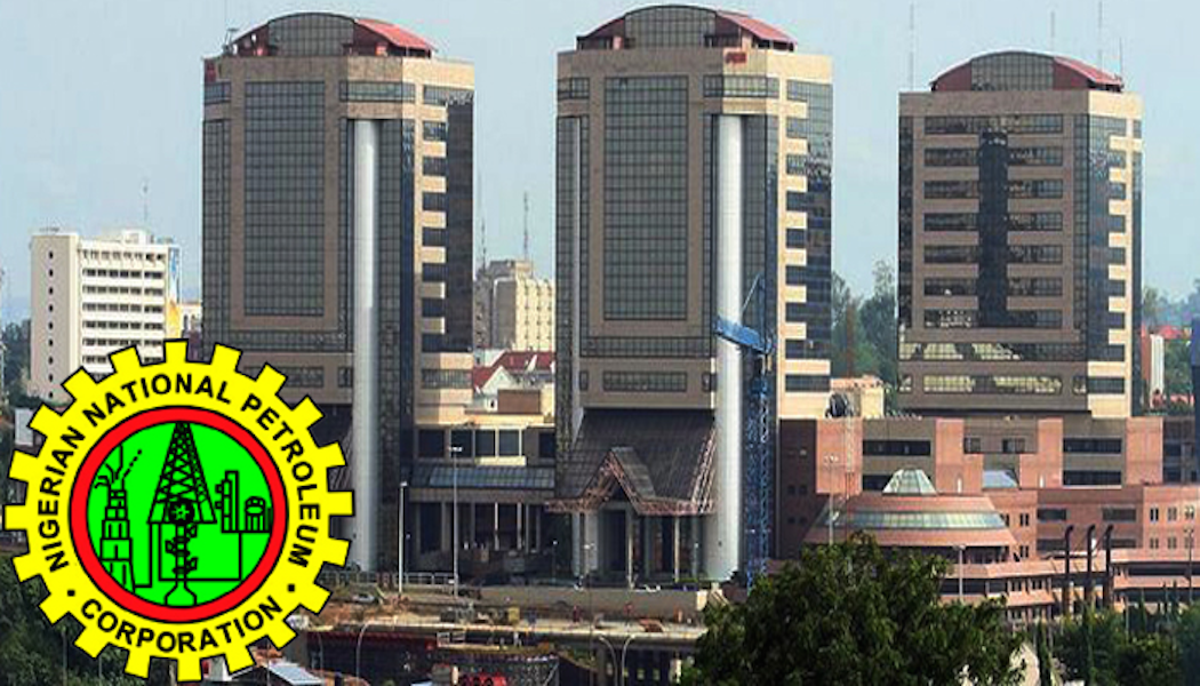
NNPC has encouraged the public to report these entities to law enforcement, characterising the situation as an attempt to “mislead” and defraud the public.
Timing and Transparency
This denial comes at a critical juncture for NNPC, as the company simultaneously reported a massive revenue surge. NNPC recently remitted ₦1.8 trillion to the Federal Government, with total revenue hitting ₦2.68 trillion. Under GMD Bayo Ojulari, Nigeria is aiming to grow oil production by 100,000 barrels per day over the next few months. The export of 950,000 barrels of the Cawthorne Blend crude marks a positive turn for the nation’s export capacity.
The Looming Question of Self-Sufficiency
The sensitivity surrounding the “sale of scrap” stems from the long-standing public frustration over the functionality of Nigeria’s refineries. Some believe that any talk of selling “scrap” suggests that the infrastructure is being written off rather than rehabilitated. By holding a firm line on asset management, NNPC is attempting to project an image of “accountability and responsible management” of national energy assets.
As the government defends its energy strategy against both local fraudsters and international market pressures, the integrity of these physical assets remains a focal point for the Nigerian economy in 2026.
Is the NNPC’s quick denial a sign of a new era of transparency, or does the persistence of these “scrap sale” reports point to a deeper lack of trust in how Nigeria manages its most valuable national assets?