
For months, the Trump administration has waged war on immigration. Deportations have surged. ICE raids have intensified. The message has been consistent: America is full. America is for Americans. Outsiders are not welcome.
But here is the uncomfortable truth the administration does not want you to see. Across the country, cities are desperate for people.
Free land. $10,000 cash. Dinner with the mayor. Some US cities are so starved for residents that they are offering cash and perks to anyone willing to move in. The irony is staggering. At the same time, the federal government is deporting people for trying to enter the country, and local governments are begging people to stay or come.
Can you imagine? After all the deportations and crackdowns on so-called illegal immigrants with ICE, they are now desperately looking for residents.
The Housing Crisis Nobody Solved
The numbers tell the story of why cities are desperate. The national median rent now sits at $1,363, according to Apartment List’s National Rent Report. That is the second consecutive monthly increase this year. On the homebuying side, the National Association of Home Builders found that 76.4 million households — 57 percent of all households — cannot afford a $300,000 home. The median price of a new home is $405,300.
The Joint Center for Housing Studies of Harvard University reported that 22.7 million households are moderately cost-burdened, spending more than 30 percent of their income on rent and utilities. Another 12.1 million are severely cost-burdened, spending more than 50 percent. Cost burdens are moving up the income scale. Nearly half of renters earning between $45,000 and $75,000 are now cost-burdened.
People cannot afford to live in America’s major cities. So they leave. And the cities they leave behind get desperate.
The Bait
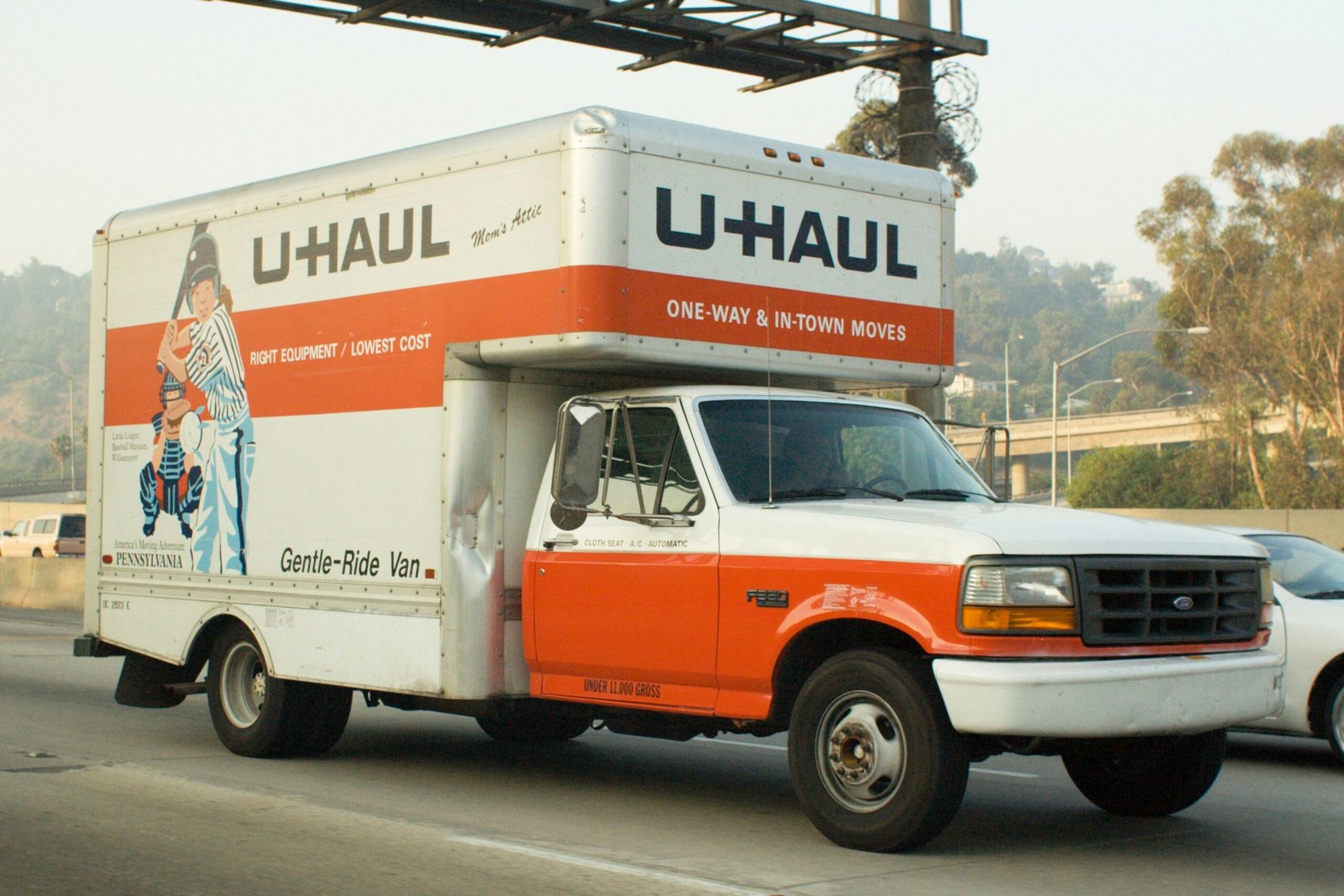
Enter the relocation programs. Tulsa, Oklahoma, offers remote workers a $10,000 grant to move there through its Tulsa Remote program. Renters and homebuyers can receive the money in monthly disbursements or, for homebuyers, a lump sum. A report from the Upjohn Institute found that the benefits to original Tulsa residents are over four times the program’s cost — including job creation, increased tax bases, and higher property values.
Other cities have followed suit. Baltimore offers $5,000 in down payment and closing cost assistance through its Buying Into Baltimore program. Bemidji, Minnesota, offers six months of free internet and a coworking membership through 218 Relocate. Manilla, Iowa, offers free lots where eligible applicants can build a new single-family home. West Memphis, Arkansas, offers a two-night hotel stay and dinner with the mayor.
MakeMyMove, a marketplace for relocation programs, allows remote workers to browse multiple cities offering different incentives. Columbus, Georgia; Riley County, Kansas; and Fort Wayne, Indiana, are all on the list.
Desperate cities are paying people to move in. But the question is not just whether you should take the bait. The question is why America needs to bribe its own citizens to stay.
The Immigration Contradiction
The Trump administration has made deportations a centerpiece of its policy. The message is that immigrants — particularly those without legal status — are a drain, a threat, a problem to be removed. ICE has been empowered. Raids have increased. The rhetoric has been harsh.
Yet local governments are offering cash, land, and mayor dinners to attract new residents. The federal government is pushing people out. Local governments are begging people to come in. The contradiction could not be starker.
If America is truly full, why are cities so desperate for people? If immigrants are such a burden, why are towns offering free lots to anyone who will build a home? The answer is uncomfortable. Many parts of America are emptying out. Young people leave for bigger cities. Older populations age in place. Tax bases shrink. Services decline. The cycle feeds itself.
Immigrants — the very people the administration is deporting — have historically filled these gaps. They start businesses. They buy homes. They pay taxes. They revitalize dying towns. But under the current policy, they are being removed while local governments scramble to replace them with incentives that may or may not work.
Should You Take the Bait?
For remote workers willing to relocate, the incentives can be life-changing. $10,000 in cash. Free land. Six months of free internet. A dinner with the mayor. The cost of living in these cities is often lower than in major metropolitan areas. The financial pressure eases.
But there are downsides. Moving away from family and friends is hard. Embracing a new community takes time. Finding new doctors, dentists, and essential services is a hassle. Remote work can already be isolating. Relocating to a smaller city can amplify that isolation. A 2022 job relocation survey found that 26 percent of respondents cited acclimating to new communities as the hardest part of the process.
A relocation program could be a saving grace for some. For others, it may not be right.
The Bottom Line
Desperate US cities are offering free land, $10,000 cash, and dinner with the mayor to attract new residents. Tulsa, Baltimore, Bemidji, Manila, West Memphis, and others have launched programs to reverse population decline. The housing crisis has made major cities unaffordable for millions of Americans. The federal government, meanwhile, is deporting immigrants at record levels.
The contradiction is impossible to ignore. The administration says America is full. Local governments say America is emptying. The same people the federal government is pushing out could have been the ones filling the gaps in dying towns. Instead, cities are left offering cash bribes to anyone willing to stay.