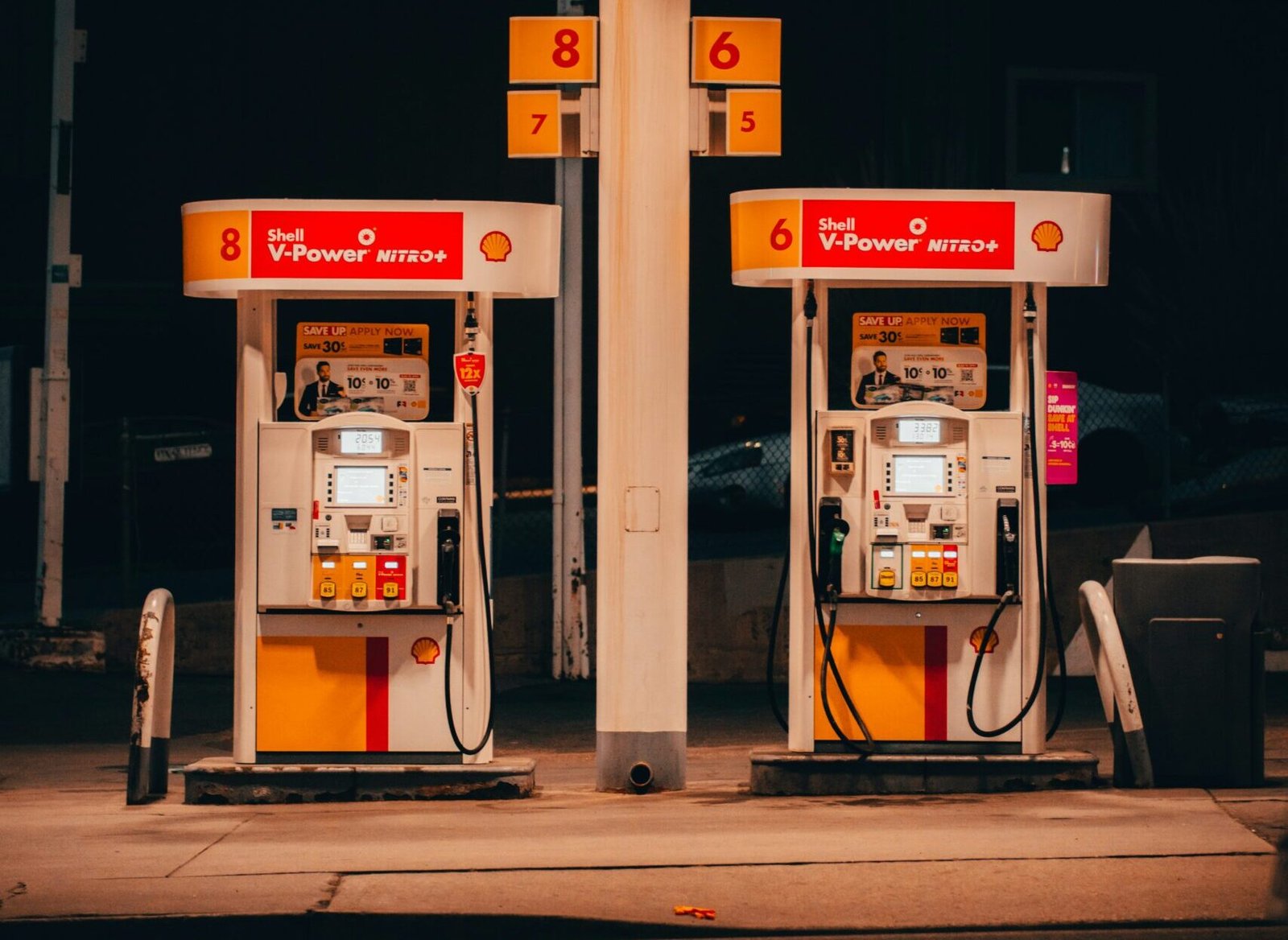

Americans are feeling the sting at the gas pump. The war in Iran is the cause. But here is the paradox: the United States only imports about 8 percent of its oil from the Middle East. So why are prices still so high?
As of Thursday, April 30, the national average price per gallon of regular gas is $4.30, with some states seeing prices as high as $6 per gallon, according to the American Automobile Association. A month ago, the average price was $3.99. Around this time in 2025, it was $3.18. Gas prices are now the highest they have been — not just since the start of the Iran war, but since the early days of the Russia-Ukraine war in 2022.
And prices are rising at a moment when peace talks between Iran and the United States seem to have stalled. The ceasefire is fragile. The Strait of Hormuz is choked. And American drivers are paying the price.
Why Prices Are So High
Oil prices rose because the war in Iran interrupted supply in the region, including the closure of the Strait of Hormuz — a waterway through which nearly one-fifth of the world’s oil normally passes. The war has also heightened the danger of shipping oil and brought collateral damage to oil-industry infrastructure.
Although the United States is the world’s top oil-producing nation, it is also the top oil consumer. Despite America averaging over 13 million barrels per day, domestic gasoline prices are driven higher by global market forces. Oil producers sell their tankers to the highest bidder on the international market.
“So, oil literally flows to the highest price,” said Mark Zandi, chief economist of Moody’s Analytics. “If a tanker can get a higher price in Malaysia than it can in Rotterdam, than it can in Rio de Janeiro, it’s going to go to Malaysia.”
That is the catch. The United States produces enough oil to meet its own needs. But in a global market, American refiners must compete with buyers in Asia, Europe, and elsewhere. The highest bidder wins. And right now, with global supply disrupted, the bids are high.
When Will Prices Fall?
James Cox, a managing partner at Harris Financial Group, predicts that high prices will persist until the end of 2026. The reasons are structural.
“Insurance will rise on ships going through the strait,” Zandi said. “There’s always a chance the ceasefire breaks, and traders will want some premium to compensate for that risk.”
That premium — the extra cost added to oil prices because of geopolitical risk — “is probably going to persist for some time,” Cox added.
Gas prices have fluctuated in recent days, following news of a fragile ceasefire on April 8. But even with a ceasefire, oil and gasoline prices will remain elevated for several months, Cox said, unless some new source of supply comes online.
Oil infrastructure in the Middle East has been damaged or disrupted during the Iran war. Some of it “will take years and years to rebuild,” said Kate Gordon, CEO of California Forward, a nonprofit that advocates for sustainability. During that time, the world’s oil supply will remain pinched.
“There’s no going back to what we had,” Zandi said. “At least not this year.”
The Catch
The headline promises a possible drop in gas prices in 2026. The catch is that “possible” does not mean “certain.” And “drop” does not mean “return to normal.”
Experts agree that prices will eventually come down from their current highs. But they will not fall to pre-war levels. The global oil market has been permanently altered. The Strait of Hormuz is no longer a reliable chokepoint. Insurance costs are higher. Infrastructure is damaged. And the risk of another conflict — or the collapse of the current ceasefire — means that traders will continue to demand a premium.
For American drivers, that means relief may come, but not soon and not completely.
The Bottom Line
The national average price for a gallon of regular gas is $4.30, up from $3.99 a month ago and $3.18 a year ago. Some states are paying as much as $6 per gallon. The war in Iran disrupted global supply, choked the Strait of Hormuz, and damaged oil infrastructure. Even though the US produces more oil than any other nation, domestic prices are driven by global markets — and American refiners must bid against buyers worldwide.
Experts say high prices will persist until at least the end of 2026. A ceasefire is in place, but it is fragile. Insurance costs are rising. The risk premium is baked into every barrel. Some damaged infrastructure will take years to rebuild.
Gas prices could drop in 2026. But the catch is that “drop” does not mean “plunge.” And for drivers hoping to see $3 gas again, the experts have a sobering message: not this year.