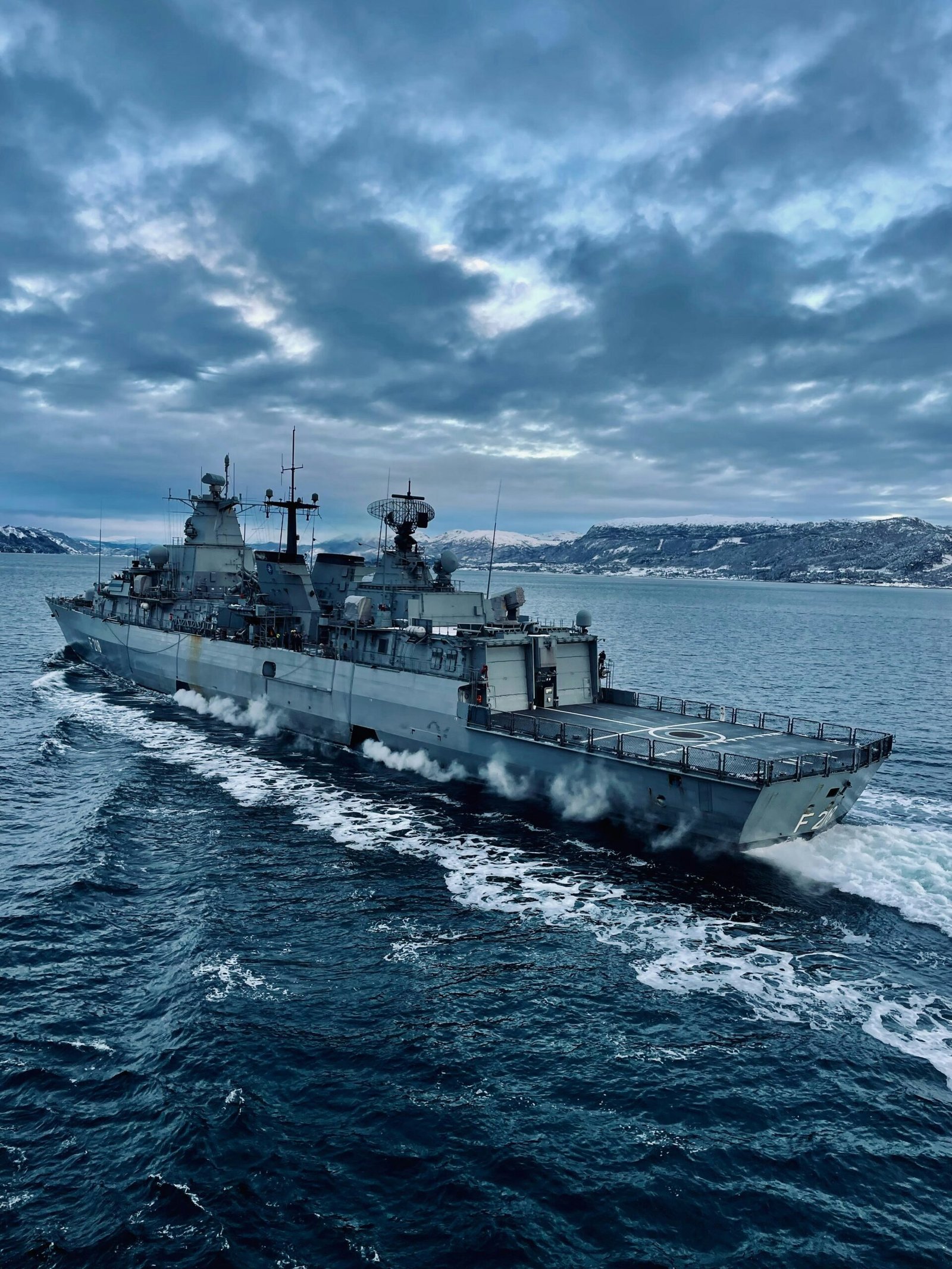

One side says the strait is open. The other side says the bombing will begin if a deal is not reached. The world is watching to see which threat is real.
Iran’s Revolutionary Guard on Wednesday said safe passage through the Strait of Hormuz would be provided, under unspecified procedures, after President Trump paused a US military effort to guide merchant vessels through the strategic waterway.
“With the end of the aggressors’ threats and in light of new procedures, safe and sustainable transit through the strait will be facilitated,” the Revolutionary Guard’s navy command said in an online statement. It did not give details about the new terms.
The Strait of Hormuz — an important passageway for oil, fertilizer, and other goods — has been effectively closed since the United States and Israel launched their attack on Iran on February 28, disrupting global energy supplies and pushing up fuel prices. Iran has attacked commercial ships that want to transit the Strait without its approval. The United States has imposed a naval blockade on Iranian ports since mid-April.
Now, after months of stalemate, both sides are signaling movement — but in opposite directions.
Trump’s Ultimatum
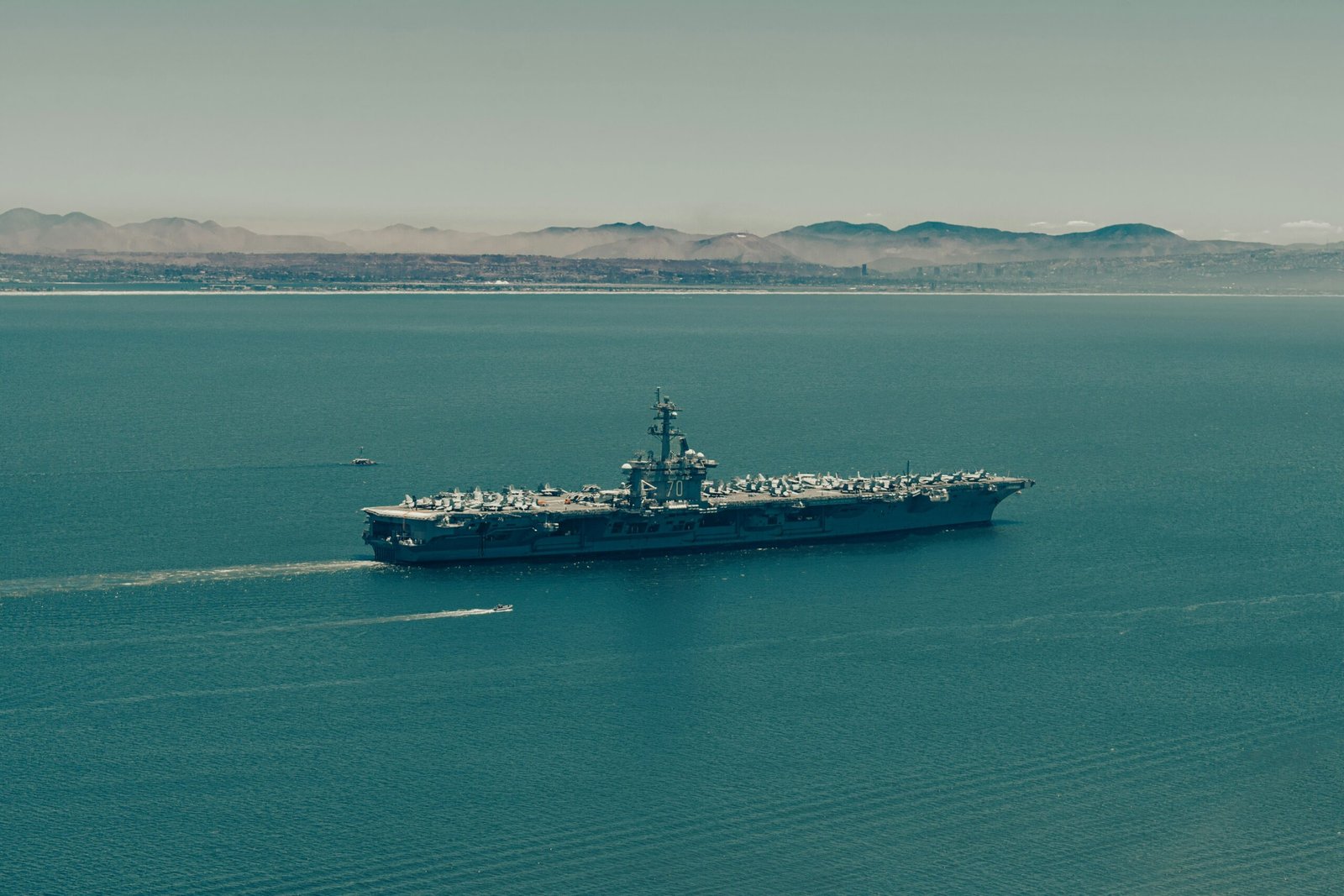
Moments after the Iranian statement, President Trump wrote online that the war would end once an agreement was reached with Iran, but he warned that US bombing would resume if not.
“Assuming Iran agrees to give what has been agreed to, which is, perhaps, a big assumption, the already legendary Epic Fury will be at an end, and the highly effective Blockade will allow the Hormuz Strait to be OPEN TO ALL, including Iran,” Trump said. “If they don’t agree, the bombing starts, and it will be, sadly, at a much higher level and intensity than it was before.”
The message is a classic Trump ultimatum: accept the deal, or face a devastating military escalation. There is no third option. There is no middle ground.
The Iranian Response
Iran has confirmed receiving a US proposal and said it is under review.
“The American plan and proposal is still being reviewed by Iran, and after summing up its points of view, Iran will convey its views to the Pakistani side,” Iranian Foreign Ministry spokesperson Esmaeil Baqaei told Iran’s state ISNA news agency on Wednesday, referring to mediating country Pakistan, which has relayed messages and hosted talks between Iran and the United States.
The fact that Iran says it is reviewing the proposal — rather than rejecting it outright — is significant. It suggests that Tehran is at least considering the terms. But “under review” is not acceptance. And Trump’s bombing threat suggests that patience is running out.
The Open Strait Question
Iran’s announcement that safe passage will be provided is a major shift. For months, Iran has attacked commercial ships attempting to transit the strait without its approval. Now it says the strait is open — but under “unspecified procedures.”
What are those procedures? Iran has not said. Will ships need Iranian permission? Will they need to pay fees? Will the US blockade still apply?
The lack of clarity is itself a negotiating tactic. Iran is signaling openness while maintaining control. The Strait is open — but on Iran’s terms.
Trump’s response is equally calculated. He is taking credit for the opening — “the highly effective Blockade will allow the Hormuz Strait to be OPEN TO ALL” — while simultaneously threatening to restart the bombing if his terms are not met.
The 48-Hour Window
The next two days will be critical. Iran is reviewing the US proposal. Trump is waiting for an answer. The bombing threat is not idle. The US has shown its willingness to use military force, and the blockade is still in place.
If Iran accepts the proposal, the war could end. The strait could reopen fully. Oil prices could stabilize. If Iran rejects it, or if the review drags on without a clear answer, Trump has promised a return to bombing — at a “much higher level and intensity than it was before.”
The Bottom Line
Iran’s Revolutionary Guard said Wednesday that safe passage through the Strait of Hormuz will be provided under unspecified procedures, after Trump paused a US military effort to guide merchant vessels through the waterway. Moments later, Trump warned that if Iran does not agree to a deal, “the bombing starts, and it will be, sadly, at a much higher level and intensity than it was before.”
Iran has confirmed receiving a US proposal and says it is under review. The Strait has been effectively closed since the war began on February 28. Iran has attacked commercial ships. The US has imposed a naval blockade.
The strait is open — for now. But the bombing threat is real. And the world is waiting to see whether Iran says yes, or whether the war enters an even more devastating phase.