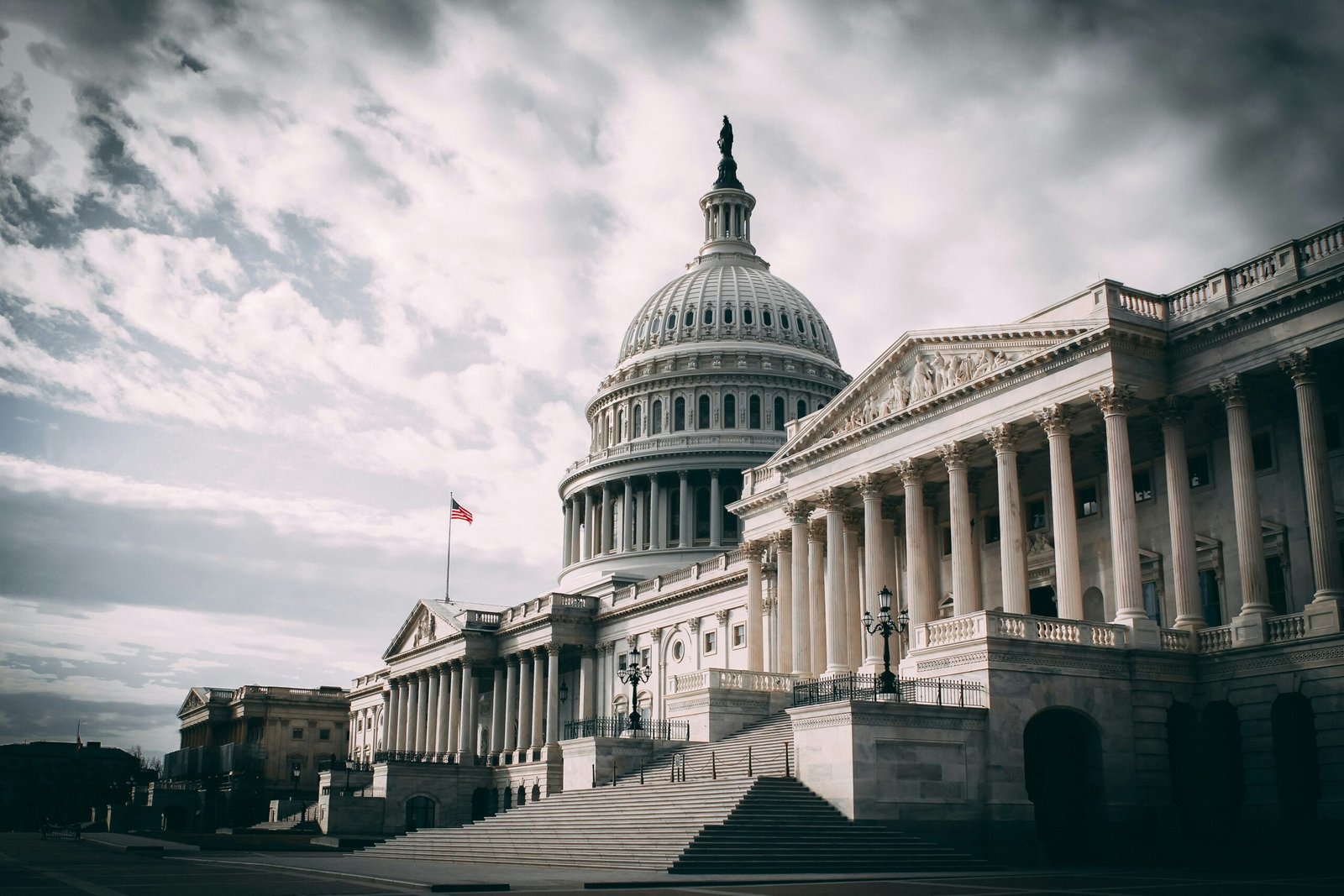

A Republican-backed proposal to allocate $1 billion in taxpayer funds for security upgrades linked to the White House ballroom project has sparked controversy in the US Senate, with lawmakers warning it could become a political liability ahead of elections.
The funding is included in a broader Senate debate over financing for Immigration and Customs Enforcement (ICE) and Border Patrol operations for the next several years.
Although the legislation specifies that the money would only cover “security enhancements” and not the ballroom itself, critics argue that the distinction is being lost in public debate.
Rick Scott said he supports the ballroom project but believes it should continue to rely on private funding, as initially promised by President Donald Trump.
“If the White House and Secret Service believe that they need money for construction beyond these private funds they’ve raised, I’m willing to hear them out. There are plenty of things that we can cut to pay for it, like wasteful earmarks or all the fraud we’re uncovering in states like California and Minnesota,” Scott said.
The senator stressed that the project was “already being funded by private donations.”
Republican strategist Brian Darling warned that linking taxpayer money to the ballroom could create unnecessary political problems for the party.
“The fact that it’s linked to the ballroom makes it controversial,” Darling said.
“Congress might give them the money, but it’s an unnecessary controversy because the way it was marketed [as] basically a billion-dollar ballroom.”
He added: “If you’re spending all this money to fortify the White House, nobody bats an eye. If it’s $1 billion for the ballroom, that creates huge problems.”
The White House defended the proposal, describing the allocation as funding for “security infrastructure upgrades in relation to the long overdue East Wing Modernization Project.”
However, critics say the optics remain damaging at a time when voters are already worried about inflation and rising living costs.
Chuck Schumer, the Senate Democratic leader, accused Republicans of prioritising the wrong issues.
“Republicans are on a different planet than American families. Republicans looked at families drowning in bills and decided what they really needed was more raids and a Trump ballroom,” Schumer said.
Taxpayer advocacy groups have also criticised the proposal.
Steve Ellis, president of Taxpayers for Common Sense, described the plan as “a huge overreach” despite restrictions in the bill preventing funds from being used for non-security purposes.
“Money is fungible,” Ellis said, arguing that almost any aspect of the ballroom project could later be classified as security-related.
“This is a way of shoveling a ton of taxpayer cash for something that shouldn’t have happened in the first place but even if it did, it was promised to be privately funded,” he added.
The proposed amount has also drawn attention because it far exceeds earlier estimates for the project. When the ballroom plan was first announced last year, the projected cost was around $200 million.
Trump later defended the revised figures in a post on Truth Social, insisting the final cost would still remain below $1 billion.
“The original price was 200 Million Dollars; the double-sized, highest quality completed project will be something less than 400 Million Dollars. It will be magnificent, safe, and secure!” Trump wrote.
Several Republican senators have expressed concerns over the timing and political impact of the proposal.
Thom Tillis questioned why the projected costs had risen so sharply.
“I need to know what the fully burdened cost of this building project is because it sounds like it’s double what it was just a few months ago,” Tillis said.
“It represents an exposure, no doubt about it,” he added, referring to potential political backlash.
Meanwhile, Rand Paul criticised a related proposal introduced by Lindsey Graham to authorise $400 million for the ballroom and a security complex beneath it.
Paul labelled the proposal “a bad bill” and instead introduced his own measure that would simplify approval for the ballroom project without committing federal funding.