

It is a celebration of glitter, gay pride, and pyrotechnic staging. A campy pop competition watched by 166 million people around the world. But behind the sequins and synchronized dancing, a different battle has been playing out.
According to a New York Times investigation, Israel’s efforts to influence Eurovision’s vote were broader and started years earlier than previously known.
Last fall and winter, senior Israeli diplomats urgently contacted officials and television broadcasters across Europe to address a delicate, if unexpected, topic: the Eurovision Song Contest. Broadcasters wanted to ban Israel from the competition and threatened to boycott over the war in Gaza. Some even accused the Israeli government of unfairly influencing the results through a mass voting campaign.
“I am a little bit surprised why this is a matter that the embassy is looking into,” Stefan Eiriksson, the head of Iceland’s national broadcaster, wrote to an Israeli diplomat who wanted to discuss Eurovision last December.
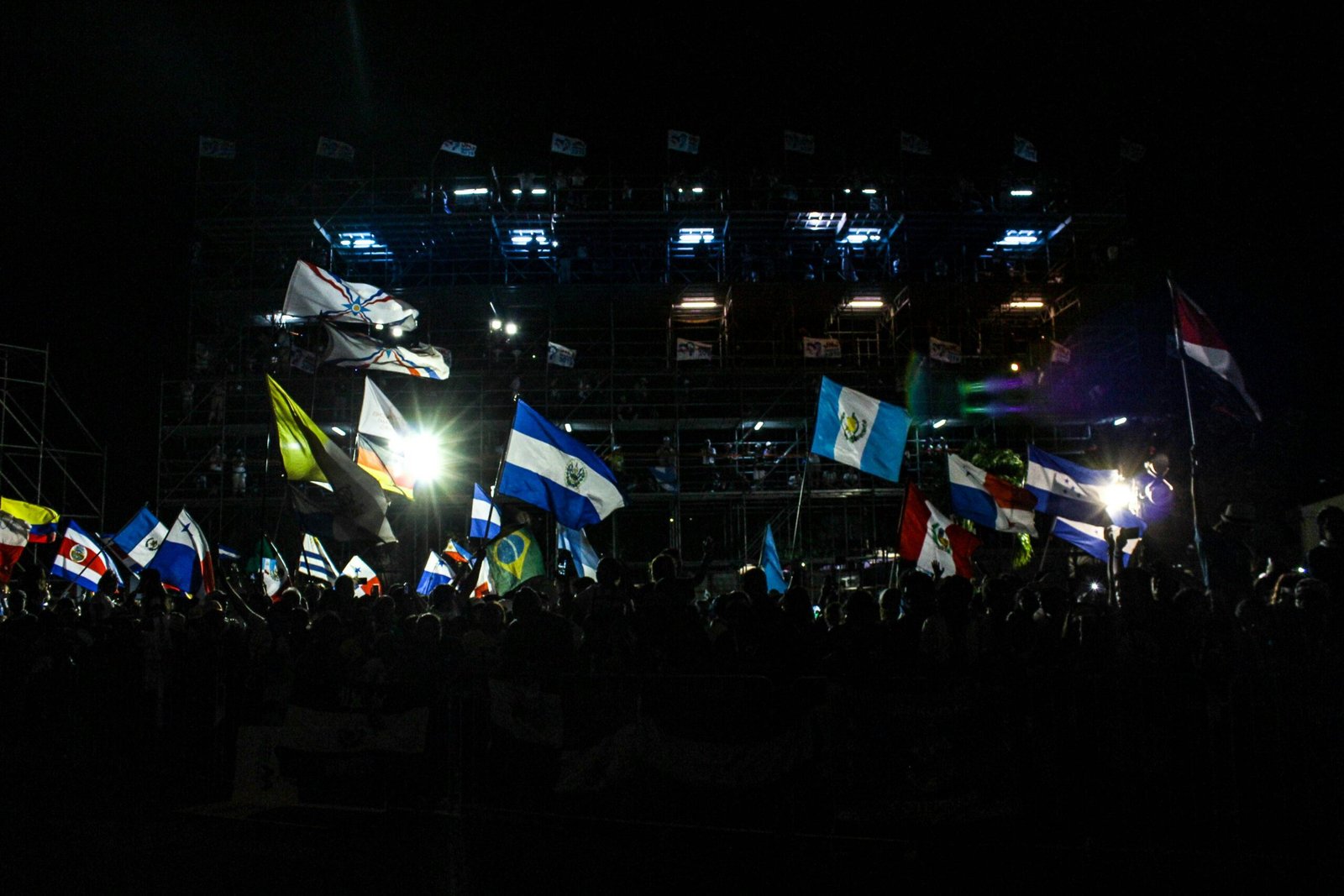
Israel arguably had bigger diplomatic concerns than a pop music competition. A United Nations commission had recently accused Israel of committing genocide, which it vigorously denied. World leaders were recognizing Palestinian statehood, which Israel had long opposed. Yet, according to the investigation, the government saw Eurovision as a strategic opportunity.
To the Israeli government, Eurovision became more than just entertainment. It became a chance — through strong showings by its singers — to burnish the country’s flagging reputation and rally international support.
The Crisis Behind the Curtain
The previously undisclosed diplomatic push to keep Israel in Eurovision was just one aspect of a drama that unfolded over the past year. This year’s competition, which starts on Tuesday, follows the biggest crisis in Eurovision’s 70-year history. Iceland and four other countries are boycotting to protest Israel’s participation. The nonprofit European Broadcasting Union, which runs the contest, faces financial challenges.
The tension has not been limited to backroom diplomacy. The New York Times investigation highlighted the popular vote in the 2025 Eurovision Grand Final, where Israel won a substantial share of the public vote in Spain. According to the data, Israel received 33.34 percent of the Spanish popular vote — a total of 47,570 votes. The second-place country, Ukraine, received just 6.74 percent. The margin was so large that it raised questions among other competing nations.
For Israel’s critics, the vote was evidence of a coordinated outside campaign. For the Israeli government, it was proof that European publics supported them, even if their governments did not.
The Stakes
The fight over Eurovision is not just about a trophy. It is about international legitimacy. The contest is watched by hundreds of millions. A strong showing provides a platform to project culture, normalcy, and resilience. A ban sends the opposite message — that a country is a pariah.
Israel has faced growing diplomatic isolation since the war in Gaza began. International Court of Justice proceedings, UN resolutions, and recognition of Palestinian statehood have all chipped away at its position. Eurovision offered a different kind of battlefield — one where popular votes, not Security Council vetoes, determine the outcome.
The investigation reveals that Israel pursued this battle methodically, engaging broadcasters and officials long before the current crisis. The goal was not just to win a song contest. It was to win the narrative.
The Bottom Line
The New York Times has reported that Israel launched a broader and earlier campaign than previously known to influence Eurovision voting and prevent its ban from the contest over the war in Gaza. Senior Israeli diplomats urgently contacted European broadcasters and officials last fall and winter after some countries threatened a boycott. Iceland’s national broadcaster head expressed surprise that the Israeli embassy was involved.
The investigation also revealed that in the 2025 Eurovision Grand Final, Israel won 33.34 percent of the Spanish popular vote — a substantial margin over second-place Ukraine. Iceland and four other nations are boycotting this year’s competition to protest Israel’s participation. For Israel, Eurovision has become a tool of soft power — a chance to rally international support on a glittering stage, far from the battlefields of Gaza.