
President Trump has been the subject of three assassination attempts over the last two years. There are witnesses. There are federal indictments. There is a Senate investigation. And yet, a substantial number of Americans doubt what they saw.
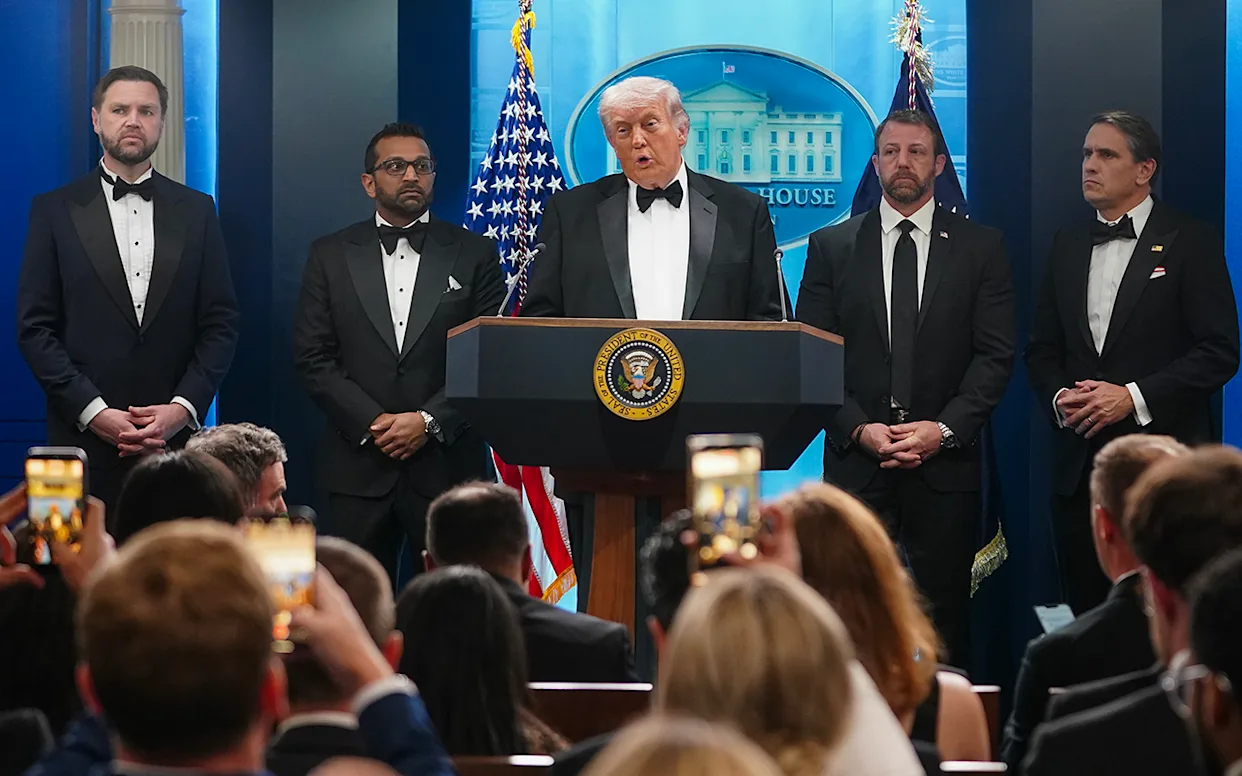
A NewsGuard/YouGov poll released Monday finds that 30 percent of Americans think at least one of those incidents was staged. The findings come just weeks after a gunman allegedly attempted to storm the White House Correspondents’ Dinner, where Trump was in attendance, but was stopped at a security checkpoint by law enforcement before reaching the main ballroom. In the weeks since, a wave of misinformation around the event has spread online.
The poll surveyed 1,000 Americans between April 28 and May 4, asking about three specific incidents: the shooting at the correspondents’ dinner, the assassination attempt against Trump in Butler, Pennsylvania, in July 2024, and the attempt on his life that fall while he was golfing in West Palm Beach.
When given the options of “true,” “false,” or “not sure,” and asked whether each incident “was staged,” a majority of respondents said they thought each event was either staged or said they were unsure. Only a plurality — roughly 45 percent — said each was a “real attempt.”
One in four respondents believed the attempted attack at the correspondents’ dinner was staged, according to the poll. The same was true for Butler, where 24 percent of respondents believed the attack was staged. Sixteen percent felt the same about the foiled plot in West Palm Beach.
The Evidence vs. The Doubt
Those views persist despite numerous witnesses in Butler and Washington, D.C., and detailed federal indictments against the suspects in the Florida plot and the shooting at the dinner. A Senate committee investigated the attack in Butler after a Secret Service sniper killed the perpetrator and put out an exhaustive report detailing security failures at the rally.
The evidence is public. The doubt remains.
Sofia Rubinson, a senior editor at NewsGuard, which tracks false claims that spread online, said claims posted on X within the week after the correspondents’ dinner garnered over 90 million views. “There’s really not a lot of evidence that these social media users are citing or relying on,” she said. “It’s really just this belief and this distrust that the government is acting honestly and is giving us accurate information.”
That distrust is not new. But the poll suggests it is now shaping how Americans process even the most visible and documented events.
Trump’s Response
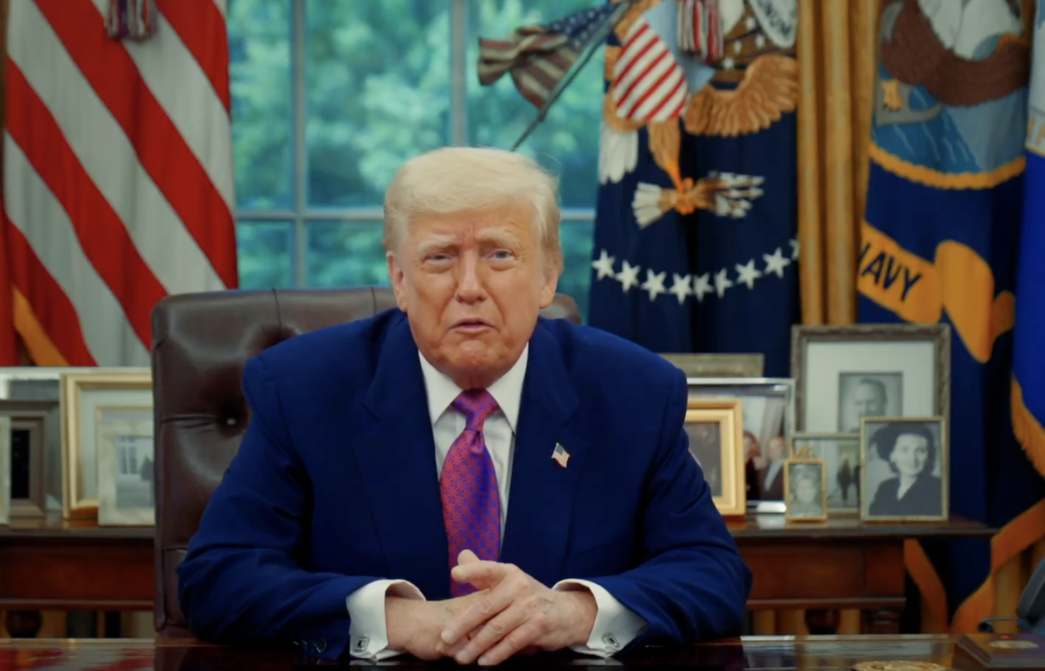
During an interview with “60 Minutes” the day after the correspondents’ dinner, Trump dismissed claims that the incident was staged. “I think they’re sicker than they are con people,” Trump said, alluding to individuals pushing such conspiracy theories. “But there’s a lot of con in there too.”
The president’s own words have not convinced a significant portion of the public. Misinformation, once seeded, has proven difficult to uproot — even when the target of the conspiracy theories denies them himself.
Who Believes the Events Were Staged?
The new poll finds that doubts about the assassination attempts are far more concentrated among younger Americans and Democrats. Americans aged 18 to 29 were the most likely of any generation to believe all three events were staged.
The sentiment is also more pronounced on the left. Twenty-one percent of Democrats believe the events were staged — seven times the rate of Republicans. When asked about all three incidents, larger shares of Democrats say each event was staged: 34 percent for the correspondents’ dinner, 42 percent for Butler, and 26 percent for the golf club.
Though Republicans were less likely to think the events were fabricated, Rubinson noted a striking increase in the number of GOP voters who think the shooting at the dinner was staged — 13 percent — compared to the events at Butler (7 percent) and Trump’s golf club (7 percent).
“Still a much smaller percentage than Democrats,” Rubinson said. “But we’re seeing that Republicans are increasingly more likely to believe this ‘staged’ narrative.”
A Splintering Base
Rubinson acknowledged that while it is difficult to definitively explain that increase, it could be because of a “splintering” within Trump’s movement over issues like the administration’s handling of the Epstein files, as well as the war with Iran.
“A lot of the traditional MAGA base is maybe growing increasingly discontent with the Trump administration and more prone to believing these types of conspiracies,” she said.
That finding is significant. If even Trump’s supporters are beginning to doubt official accounts of events involving the president himself, the erosion of trust in institutions has reached a new threshold. The doubts are no longer partisan. They are becoming universal.
The Bottom Line
A NewsGuard/YouGov poll released Monday found that 30 percent of Americans believe at least one of the three assassination attempts against President Trump was staged. The survey asked about the shooting at the White House Correspondents’ Dinner, the Butler, Pennsylvania, rally attack in July 2024, and the foiled plot at Trump’s West Palm Beach golf club.
Only a plurality — roughly 45 percent — said each incident was a real attempt. One in four respondents believed the correspondents’ dinner attack was staged. Twenty-four percent said the same about Butler, and 16 percent about the golf club.
Younger Americans and Democrats were most likely to believe the events were staged. However, Republicans are increasingly adopting the “staged” narrative, with 13 percent believing the correspondents’ dinner shooting was fabricated — nearly double the percentage who believe the same about the other two incidents.
Despite witnesses, federal indictments, and a Senate investigation, a substantial portion of the American public remains unsure whether the attempts on Trump’s life were real. The distrust that fuels conspiracy theories now cuts across party lines.