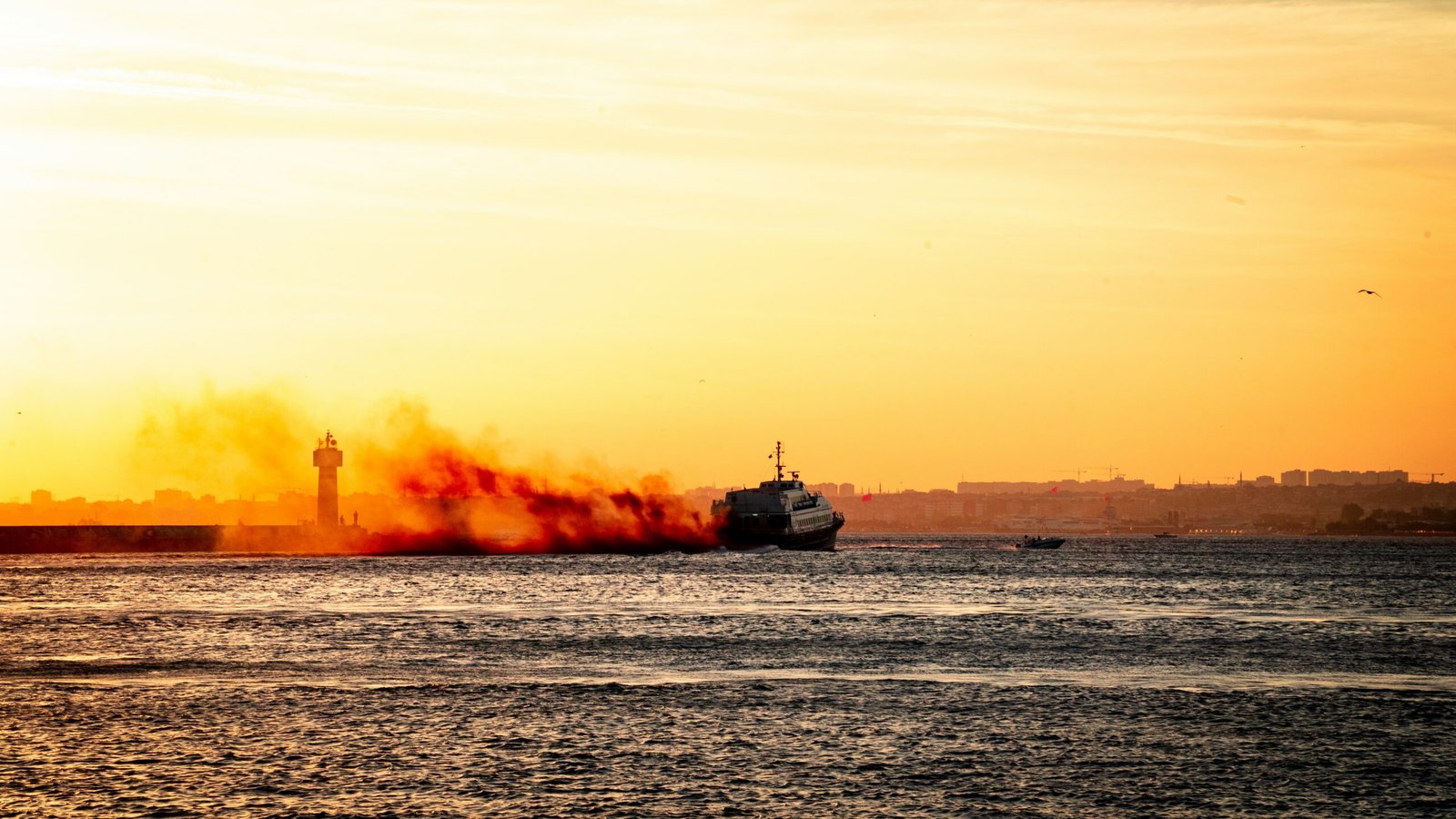

According to Ukrainian President Volodymyr Zelensky, a Russian drone deliberately targeted and struck the KSL DEYANG, an empty cargo ship flying the Marshall Islands flag but owned by a Chinese company. The vessel was scheduled to load a major shipment of iron ore concentrate before the strike sparked a fire on board.
While the ship did not suffer catastrophic damage and no crew members were injured, the timing of the strike is an incredible diplomatic nightmare for the Kremlin.
The drone attack happened exactly one day before Russian President Vladimir Putin is scheduled to arrive in Beijing for a two-day friendship summit with Chinese leader Xi Jinping. Zelensky quickly pointed out that the Russian military knew exactly which ship they were targeting at sea, suggesting the move was entirely intentional.
The attack on the Chinese-owned vessel follows a week of historic and unprecedented aerial warfare between Moscow and Kyiv. Russia’s Ministry of Defence reported that its air defense grid intercepted and destroyed a staggering 3,124 Ukrainian drones over the past seven days, with over 1,000 downed on Sunday alone.
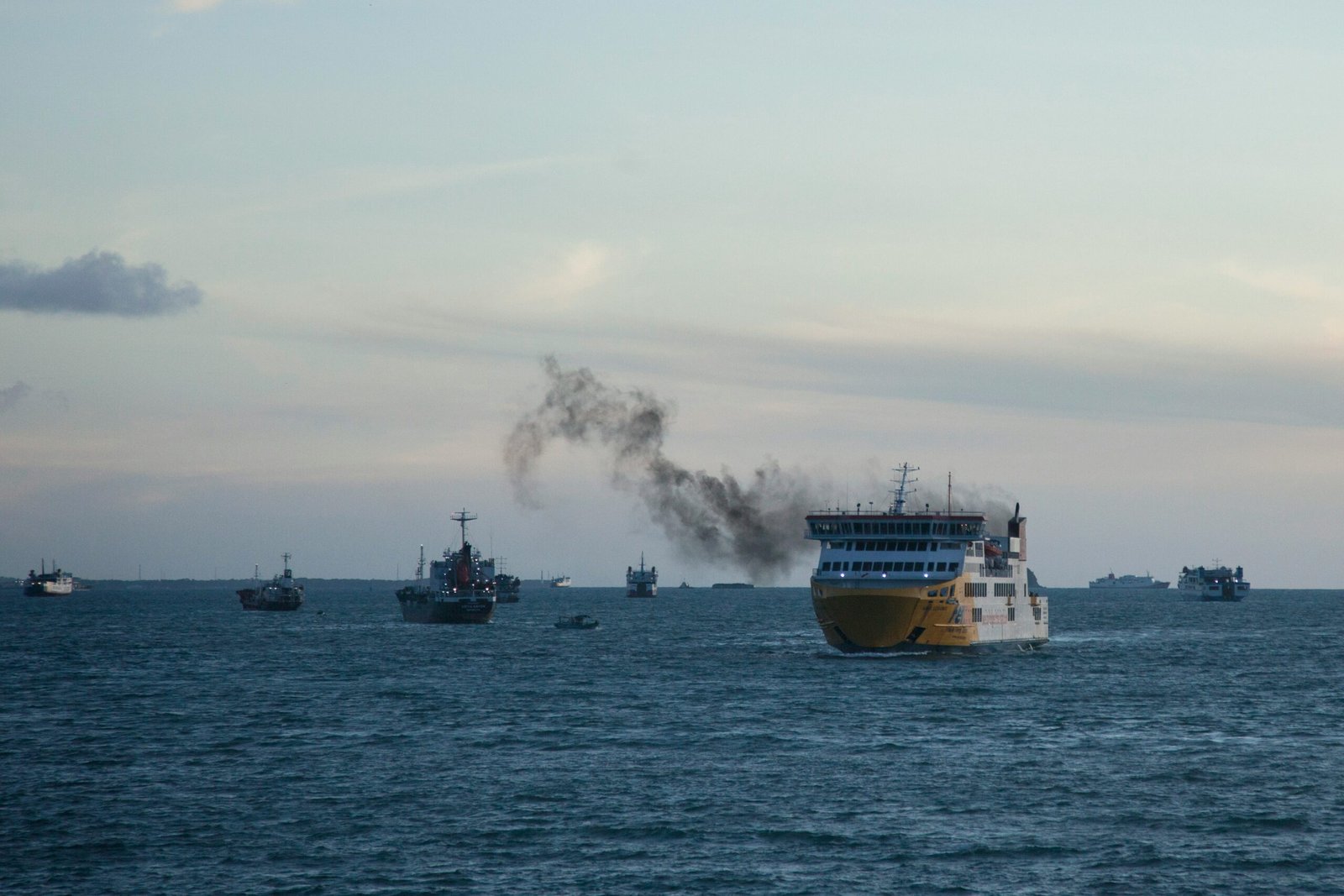
Air Warfare Explodes as Russia Intercepts 3,000 Drones
President Zelensky strongly defended the massive drone swarm on social media, calling the operations entirely justified. In response, Russia launched its own heavy retaliation overnight, firing 524 drones and 22 missiles primarily at the Ukrainian city of Dnipro. The assault heavily damaged energy facilities belonging to the state firm Naftogaz, leaving dozens of civilians injured.
Meanwhile, the geopolitical landscape across the rest of Europe is becoming increasingly dangerous. Alexei Likhachev, the head of Russia’s state nuclear corporation Rosatom, issued a grim warning stating that the occupied Zaporizhzhia nuclear power plant is rapidly reaching a “point of no return” due to ongoing shelling. Meeting in Paris, G7 finance ministers are finalizing a massive 90 billion euro loan for Ukraine, with the first major payout expected to drop in early June. Moldova formally summoned the Russian ambassador on Monday, lodging a furious protest after an unauthorized Russian military drone violated Moldovan airspace.
The Messy Reality of an Uncontrollable War
This attack on a Chinese cargo ship perfectly illustrates how unpredictable and messy modern warfare can be. For the past few years, Vladimir Putin has leaned heavily on Beijing to keep the Russian economy afloat amidst crushing Western sanctions. To have Russian forces turn around and blast a vessel belonging to your primary economic lifeline right before you fly to their capital is the definition of a diplomatic disaster. It proves that when you unleash thousands of automated weapons into a crowded maritime corridor, you lose total control over who gets hit.
Furthermore, the scale of this drone warfare is mind-boggling. When we are looking at data showing over 3,000 drones being blown out of the sky in a single week, this is no longer a traditional, localized conflict; it is a hyper-industrial war of attrition.
What worries me most is the total breakdown of safety boundaries, from drones crashing into neighboring Moldova to the terrifying updates about the Zaporizhzhia nuclear plant reaching a “point of no return.” The G7 can keep pumping billions of euros into loans, but money cannot stop a radioactive disaster if that power plant gets compromised. World leaders are acting like this conflict can be neatly contained while they focus on other international crises, but this week’s events show the fire is spreading faster than anyone can put it out.
Should international maritime law automatically hold a nation’s leadership criminally responsible for strikes on neutral foreign commercial vessels, even if the military claims it was an accidental targeting error?