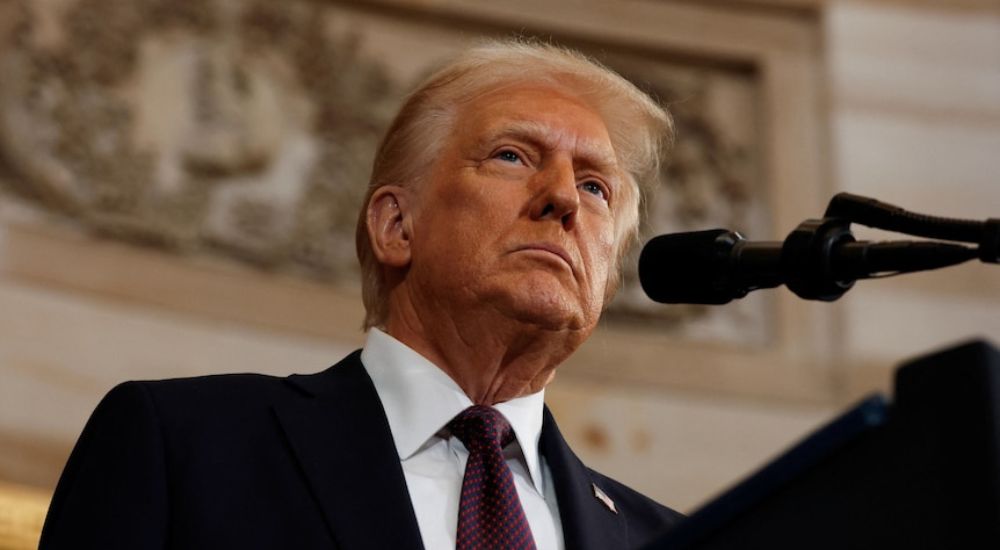

A massive political crisis has gripped the White House as President Donald Trump convened an emergency Cabinet meeting on Wednesday, May 27, 2026. Despite projecting public confidence that a historic settlement with Iran is “largely negotiated,” intelligence insiders reveal a much darker reality behind the scenes. Facing crashing poll numbers, skyrocketing domestic fuel prices, and a mounting global military backlash, the administration is quietly scrambling to salvage an exit strategy from its own war of choice. The true reason why Trump is desperately begging Iran for Peace comes down to political survival as the 2026 midterm elections approach.
A Precarious Deal Under Heavy Fire
The emerging framework being discussed behind closed doors is drawing intense skepticism from international observers and hardcore MAGA supporters alike: Trump is attempting to frame the pending deal as a massive triumph that diminishes Iran’s nuclear capability and reopens the vital Strait of Hormuz shipping corridor. However, many point out that the framework kicks almost every major compliance issue down the road.
Just as diplomats reached a critical breakthrough, the Pentagon launched aggressive, uncoordinated missile strikes against Iranian launch sites on Monday. Iran instantly condemned the move as a sign of absolute American “bad faith,” threatening to pull out of the agreement entirely.
The “Masterful Victory” Paranoia
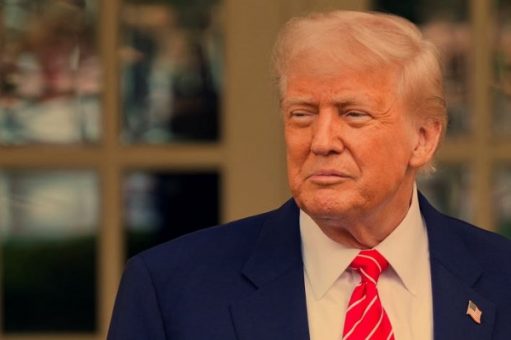
Demonstrating severe frustration over the narrative, Trump lashed out on social media Tuesday, complaining that even if Tehran offered a “complete surrender,” the mainstream media would still falsely spin the truce as a strategic victory for Iran’s hardline supreme leadership.
Trump’s “Peace Through Strength” is a Total Mirage
If you want my unfiltered take on this situation, the legendary art of the deal has officially turned into an art of desperate surrender. Let’s look at the facts: Trump dragged the United States and Israel into a completely unnecessary, highly volatile war with Iran three months ago under the assumption that Tehran would break within weeks. Instead, the Iranian regime dug in, mined the Strait of Hormuz, choked global energy supplies, and sent U.S. gas station prices soaring past $4.50 a gallon right before an election season.
This isn’t an act of visionary diplomacy; it’s a frantic damage-control operation. Trump is practically begging the Ayatollah for a deal because he knows that if American voters are still paying record prices at the pump by November, a massive Democratic wave will wipe out his congressional majority. He is so desperate for an off-ramp that his administration is rushing a fundamentally flawed, half-baked treaty that leaves Iran’s regional proxy networks entirely untouched and its leadership deeply emboldened. Even his staunchest Republican allies in Congress are privately horrified, calling out the proposed terms as a weak capitulation. Trump is trapped in a corner of his own making, and his desperate social media whining proves he cares far more about saving face and avoiding bad headlines than actually establishing long-term stability in the Middle East.
Midterm Panic and Military Escalation
As Secretary of State Marco Rubio rushes to extend the fragile two-week ceasefire, internal fracturing within the Republican Party continues to widen. Hardline Republican national security hawks have publicly broken with the White House, aggressively warning that the loose terms of the memorandum will leave a battered but completely unbowed Iran ready to restart enrichment the moment U.S. attention shifts. GOP pollsters have warned the administration that economic frustration over war-driven inflation has thoroughly soured the American electorate’s mood, forcing the Cabinet to prioritize domestic economic relief over total military victory.
Attempting to project an image of American leverage, Secretary Rubio told reporters that the negotiations would take several more days, insisting that Trump would ultimately walk away with “a good deal or no deal,” a claim that internal leaks directly contradict.
Winding Down the War of Choice
By calling a Cabinet session to fast-track an imperfect truce, Donald Trump has signaled that the financial and political costs of his Middle Eastern campaign have become entirely unsustainable. With the Pentagon acting unpredictably on the ground and Iran holding massive leverage over the global oil supply, the administration’s rush to declare victory looks less like a position of strength and more like a tactical retreat. Unless Rubio can manufacture a miraculous diplomatic miracle in the coming days, Trump will be forced to accept an unsatisfactory ending to a war he chose to start.