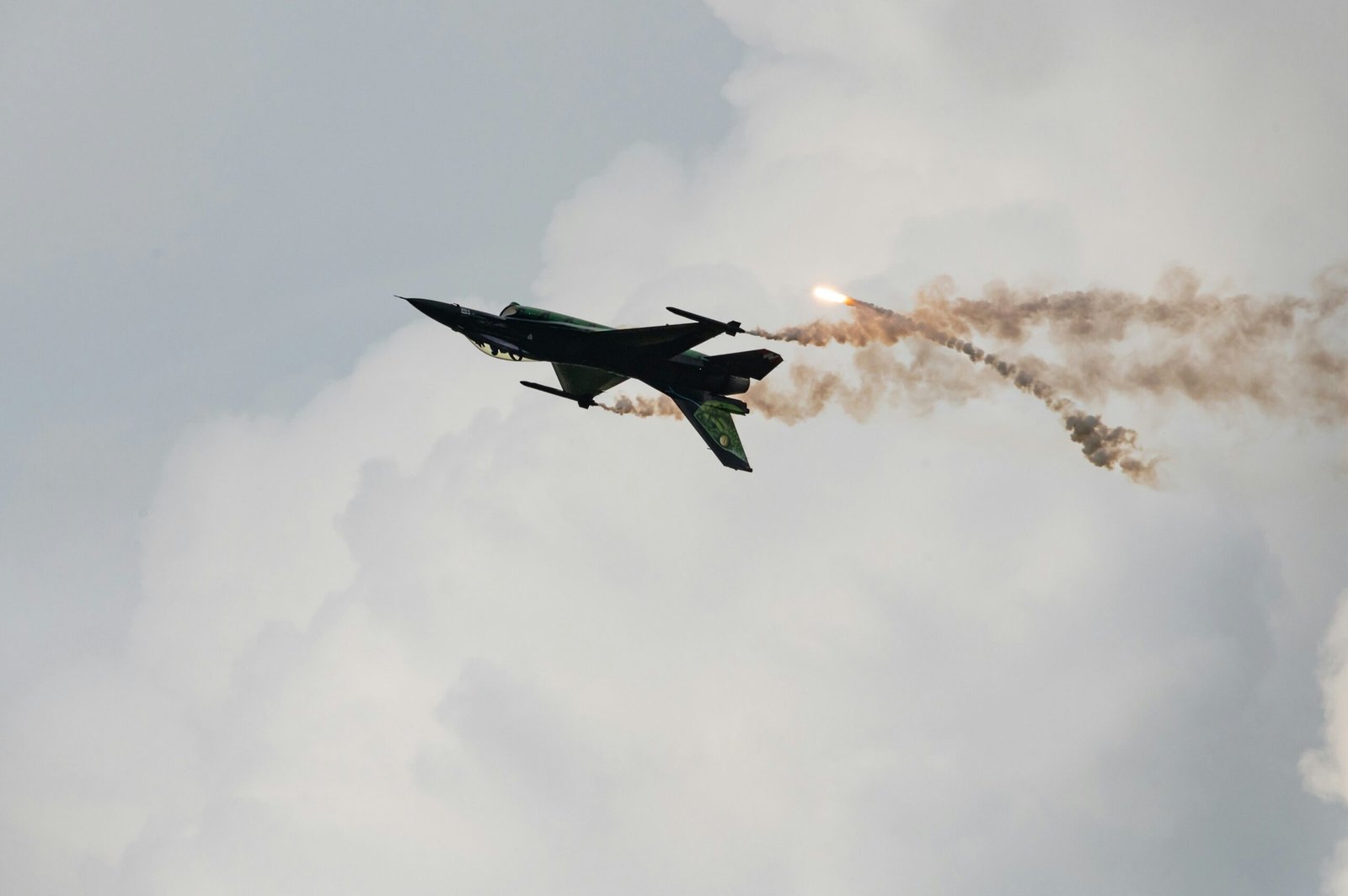

Iran’s Revolutionary Guard said on Monday it had targeted a US military base in response to American strikes on Iranian air defenses over the weekend. Air defenses in Kuwait, where a major US base is located, were seen intercepting missile and drone attacks as sirens sounded across the country, the state news agency Kuna reported.
The US said it struck Iranian military sites on Iran’s Gulf coast in response to “aggressive Iranian actions that included the shootdown of a US MQ-1 drone that was operating over international waters,” according to US Central Command.
“US fighter aircraft swiftly responded by eliminating Iranian air defences, a ground control station and two one-way attack drones that posed clear threats to ships transiting regional waters,” Centcom said on X.
The Pattern
This is not an isolated incident. The US and Iran have sporadically exchanged strikes since their ceasefire took effect in early April. Negotiations aimed at a more durable agreement are dragging on. A similar exchange occurred last Thursday. Both sides described it in similar terms: the other side started it.
The war, launched by the US and Israel on February 28, has killed thousands of people — mainly in Iran and Lebanon — and caused global economic pain by pushing up energy prices due to Iran’s effective closure of the Strait of Hormuz.
The Pressure on Trump
President Donald Trump is under pressure to reopen the Strait of Hormuz and get US fuel costs down ahead of the November congressional elections. Voters are showing increasing frustration over rising prices. At the same time, Trump faces a potential backlash from Iran hawks in his own party over any concessions to Tehran.
The two sides remain at odds on several issues: Tehran’s demands for the lifting of sanctions, the release of tens of billions of dollars of Iranian oil revenues frozen in foreign banks, and Israel’s ongoing war in Lebanon with the Iran-backed Hezbollah militia.
Israeli Prime Minister Benjamin Netanyahu said on Sunday he had ordered troops to move further into Lebanon.
What’s Next?
The strikes in Kuwait and around the Strait of Hormuz are the latest exchange in a war that has already lasted three months. The ceasefire is not dead, but it is bleeding. Each new attack raises the risk that the truce will collapse entirely.
For now, both sides are calling their strikes “responses” to the other side’s aggression. Neither is claiming to have broken the ceasefire. But the language is getting sharper. The attacks are getting closer. And the people of Kuwait, caught between two powers, are hearing sirens in the sky.
The Bottom Line
Iran targeted a US military base in Kuwait after the US struck Iranian air defenses near the Strait of Hormuz. Air defenses in Kuwait intercepted missiles and drones as sirens sounded across the country. The US said it acted after Iran shot down an American drone over international waters. Iran said it acted in response to US strikes. The ceasefire remains in effect but is being tested by repeated exchanges of fire.