The Office of the United States Trade Representative (USTR) has proposed new tariffs of up to 12.5 percent on goods imported from 60 economies accused of failing to properly ban or enforce restrictions on products linked to forced labour.
The proposal, made under Section 301 of the Trade Act of 1974, found that the countries involved — including major partners such as China, the European Union and Japan — have not effectively stopped the importation of goods tied to forced labour. The USTR said this has created what it described as an “unlevel playing field” for American workers.
Under the plan, countries that have introduced full or partial bans on forced labour-related imports would face a 10 percent tariff, while others without such measures would be hit with 12.5 percent duties.
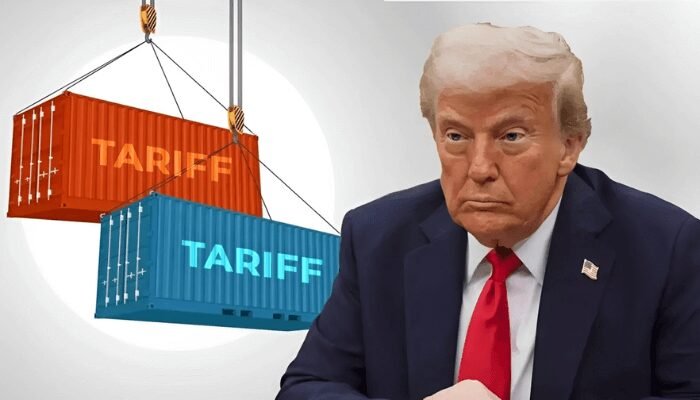
The USTR also proposed a separate system for textiles, which would allow limited quantities of apparel and clothing imports from some economies to enter the U.S. market at reduced tariff rates.
U.S. Trade Representative Jamieson Greer said the move is necessary to protect American workers and address unfair trade practices.
“The failure of our most important trading partners to address the importation of goods made with forced labor is unacceptable. This creates a dynamic where American workers are forced to compete globally on an unlevel playing field,” he said.
“We will no longer tolerate this disparity. Some trading partners have taken initial steps to prevent the importation of forced labor goods, including through USMCA and commitments in Agreements on Reciprocal Trade. However, each of our trading partners must do more to ensure that trade does not perversely encourage and entrench forced labor globally.”
The proposal comes after a recent U.S. Supreme Court decision that struck down most of President Donald Trump’s “Liberation Day” tariffs, leaving a 10 percent global baseline tariff in place. Following that ruling, the administration has increasingly relied on Section 301 to tackle what it calls unfair trade practices.
Written comments on the proposal are due by July 6, while public hearings are scheduled for July 7.
Separately, the U.S. has also begun seeking public input on the creation of a new U.S.-China Board of Trade agreed at a recent summit, which is expected to explore possible tariff reductions and broader trade adjustments between both countries.