President Trump has enjoyed broad Republican support for his military campaign against Iran. That support is now cracking.
The House delivered a bipartisan rebuke to Trump over the Iran war, with a growing number of Republicans breaking ranks to side with Democrats. The conflict, now in its fourth month, has dragged on without congressional authorization. Gas prices have risen. And the 60-day deadline under the War Powers Act has expired.
The White House argues that the requirement to withdraw US forces does not apply because of the ceasefire the administration negotiated with Iran. But that argument has not convinced a growing number of lawmakers on both sides of the aisle.
The Cracks in Republican Support
Republicans have largely backed Trump’s military campaign. But unease within the GOP has grown as the conflict has dragged on. Some Republicans have pointed to the War Powers Act’s 60-day deadline, which has now expired, as a turning point. That provision requires the withdrawal of US forces after the deadline absent congressional approval.
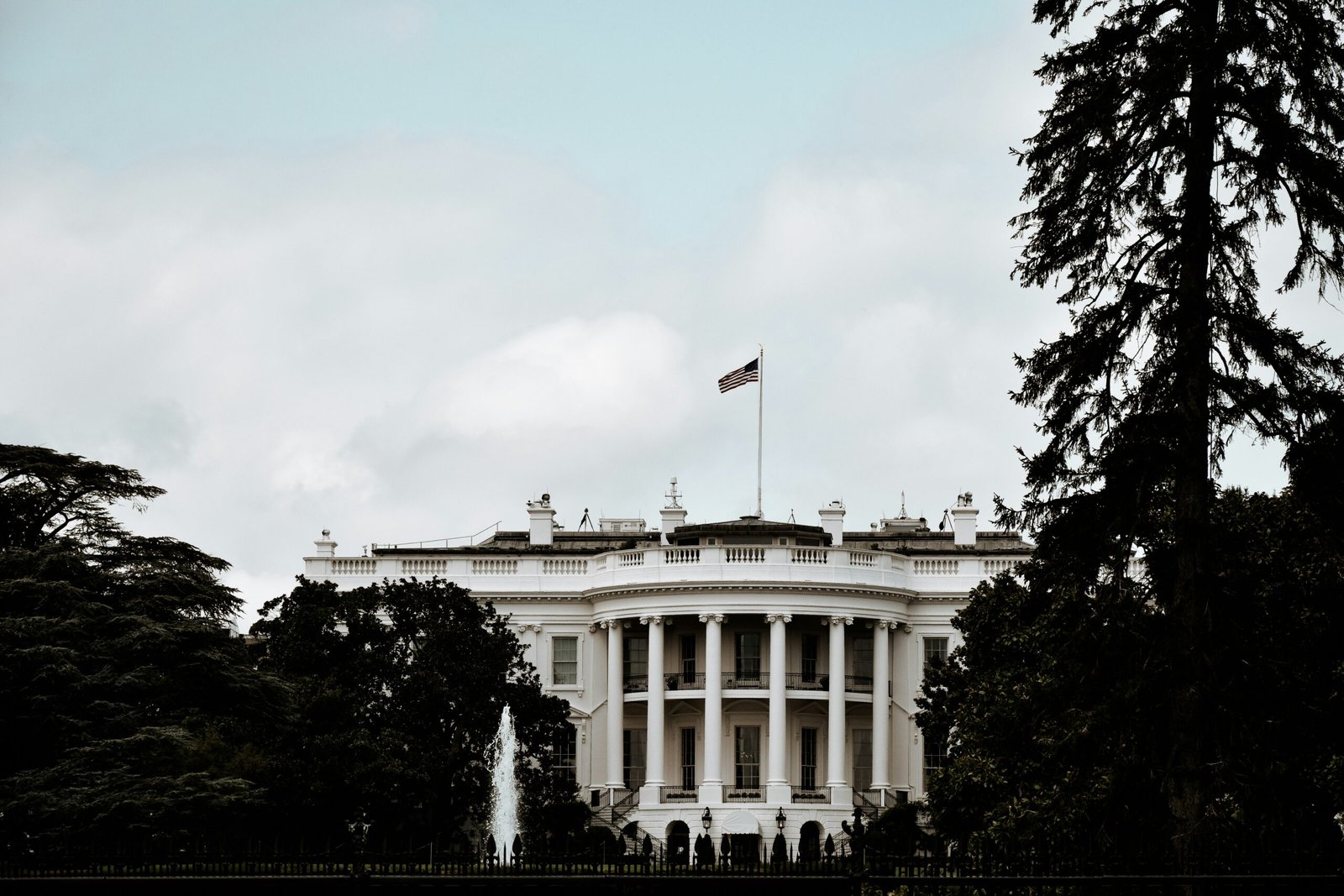
House Democratic leaders called their Republican counterparts “cowardly” for pulling a previous vote, according to Axios. Democrats’ most recent attempt failed last month in a stunning 212-212 tie vote. Several lawmakers were absent.
The Senate last month advanced a separate war powers resolution through a procedural vote with support from four Republican senators. But three senators were absent, and the next procedural vote is expected to fail once attendance returns to full strength.
The White House Position
The White House has consistently argued that Trump does not need congressional authorization for the Iran campaign. Administration officials point to the President’s constitutional authority as commander-in-chief and to the ceasefire agreement as evidence that the conflict is being managed, not escalated.
But the War Powers Act was designed precisely for situations like this. It requires the President to seek congressional approval within 60 days of introducing US forces into hostilities. That deadline has passed. And Congress has not approved anything.
The House rebuke is not legally binding. But it is politically significant. When a president’s own party begins to break ranks on a major military conflict, the White House takes notice.
What Happens Next
The House vote is unlikely to force an immediate withdrawal of US forces. Trump has shown little willingness to bend to congressional pressure, and his administration has argued that the ceasefire changes the legal calculus.
But the political landscape is shifting. Gas prices remain high. The conflict shows no signs of ending. And lawmakers facing midterm elections are increasingly nervous about defending a war that has no clear end.
If more Republicans join Democrats in demanding a withdrawal, Trump may find himself isolated on an issue that once united his party.
The Bottom Line
The House delivered a bipartisan rebuke to President Trump over the Iran war, with a growing number of Republicans breaking ranks with the White House. The 60-day deadline under the War Powers Act has expired, and Congress has not authorized the military campaign. The White House argues that the ceasefire negates the requirement to withdraw forces. But Republican unease is growing as the conflict drags on and gas prices rise. The rebuke is not legally binding, but it signals a shift in political support that could have consequences for the rest of Trump’s term.