
Most bathrooms in Nigeria feature the local staple of a bar of Dudu Osun or Dove sitting by the sink. The adventurous ones then take it a step further by storing a bottle of shower gel or body wash in the shower caddy. Most people use both interchangeably, switching based on what is on sale or what they grabbed first.
But you probably don’t know that the bar soap and body wash are not the same. And depending on your skin type, one might be doing you more harm than good.
Dermatologists agree that both options cleanse effectively. They remove dirt, sweat, dead skin cells, and bacteria. The difference is not in whether they clean—it is in how they treat your skin while doing it.
The Basic Difference
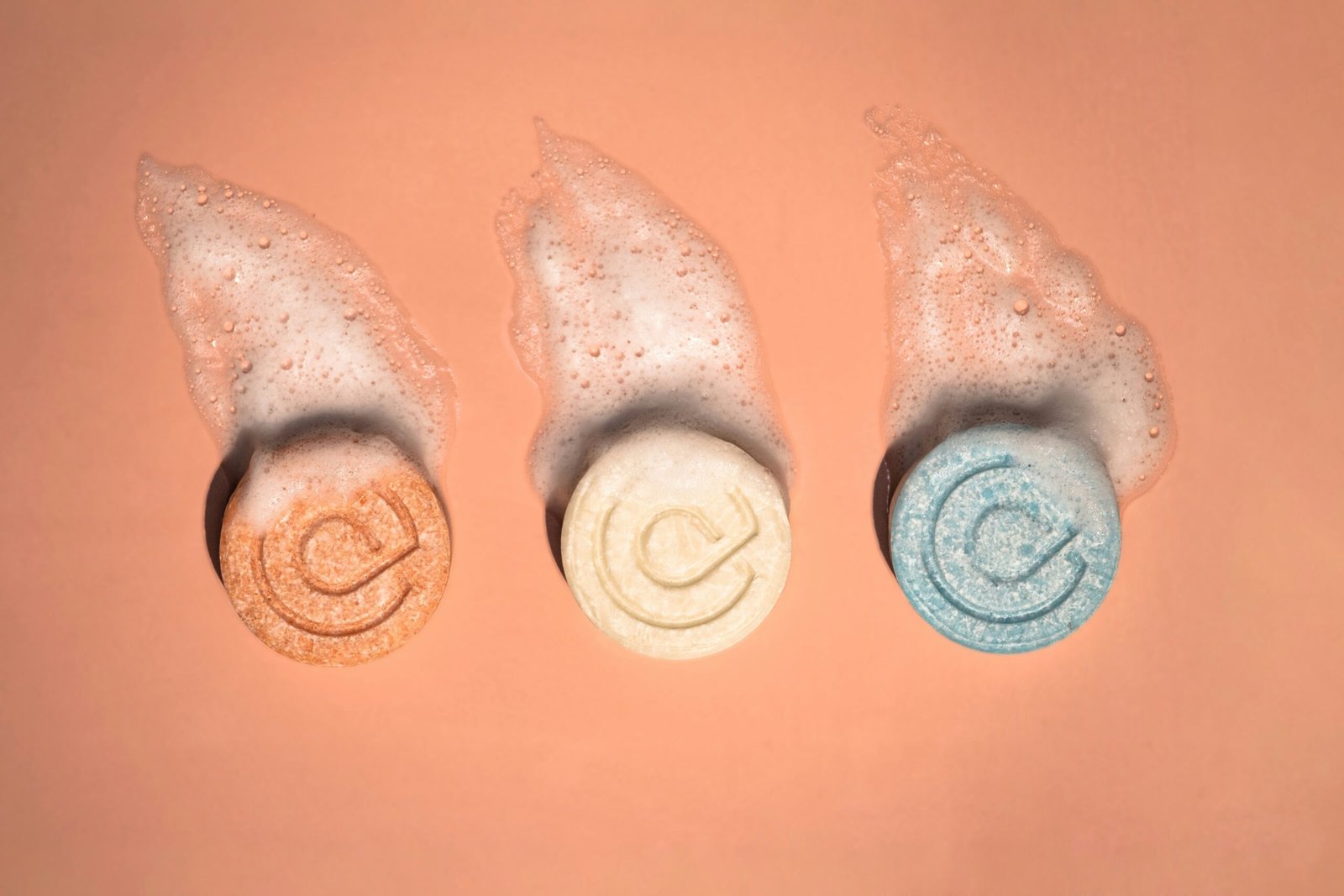
Bar soap is solid and typically made through a process called saponification—mixing fats or oils with an alkaline substance. The result is a concentrated cleanser that cuts through oil and dirt efficiently.
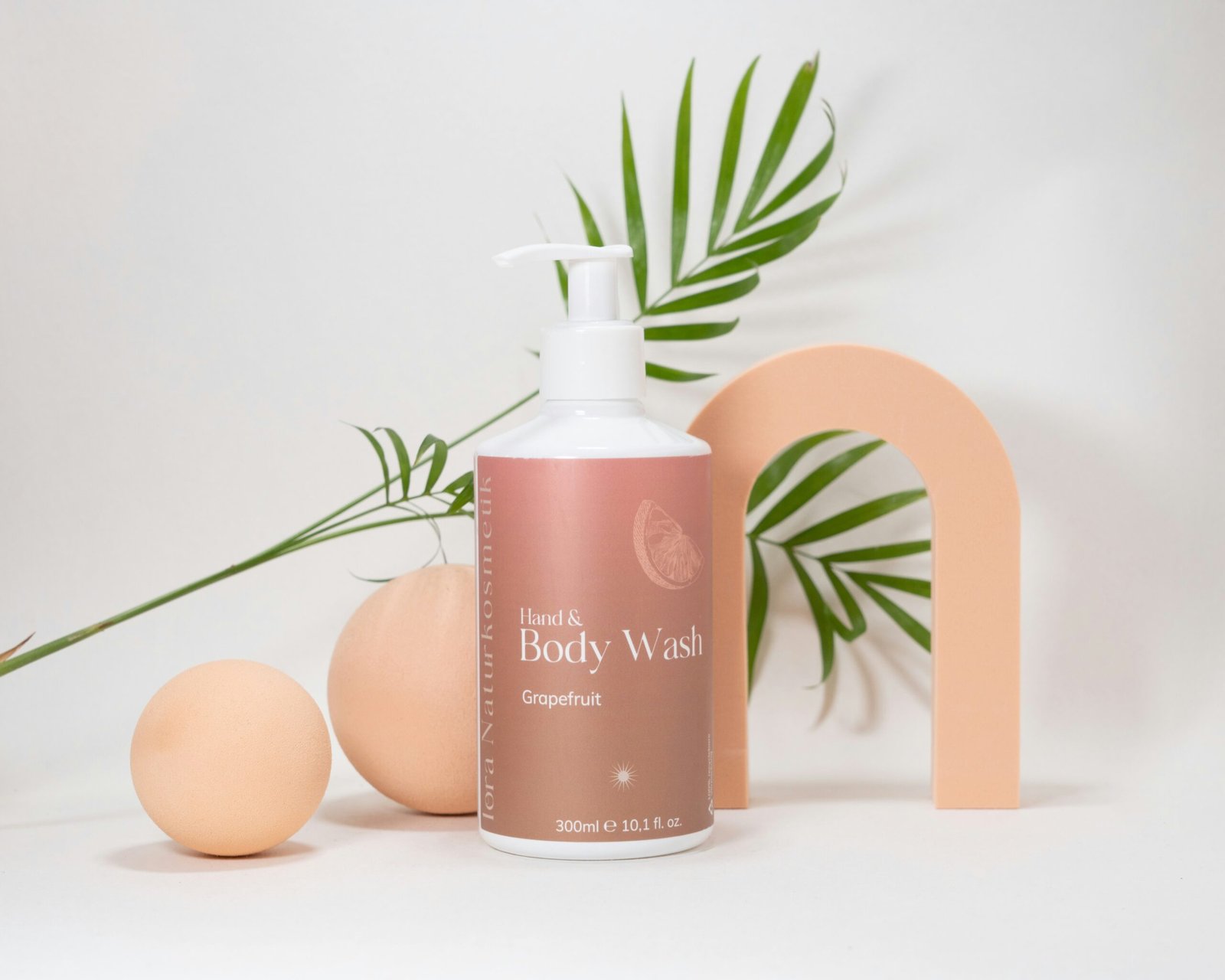
Body wash is liquid. It contains water, synthetic detergents (which are gentler than true soaps), and added moisturizers like glycerin, aloe vera, or shea butter.
The pH difference matters too. Your skin’s natural pH is slightly acidic—around 4.5 to 5.5. Traditional bar soaps tend to be more alkaline, which can strip your skin’s protective barrier. Body washes are usually formulated to be pH-balanced, closer to your skin’s natural level.
Which Skin Type Should Use Bar Soap?
Bar soap is better for oily and combination skin.
If your face gets shiny by midday and you constantly feel the need to blot, bar soap might be your match. The stronger cleansing action helps remove excess oil without leaving residue.
Dermatologist Dr. Navin Arora explains that bar soaps are recommended for individuals with oily or combination skin because these skin types are “less likely to experience irritation or dryness after usage”.
What to look for in a bar soap:
- Salicylic acid for acne-prone areas (like Dermagius Secatriz, which contains 2% salicylic acid for deep pore cleansing)
- Tea tree oil for antibacterial properties
- Clay-based formulas for oil absorption
Products like Dermagius Secatriz Bar Soap are specifically formulated for oily and acne-prone skin, combining salicylic acid with soothing ingredients like chamomile and calendula.
For those with body acne, a medicated bar soap with exfoliating properties can help unclog pores and prevent breakouts on the back, chest, and shoulders.
The downside: Some bar soaps can be drying if overused. If you have oily skin but live in a dry climate or during harmattan, you might need to moisturize immediately after showering.
Which Skin Type Should Use Body Wash?
Body wash is better for dry and sensitive skin.
If your skin feels tight after showering, if you struggle with eczema, or if certain products make you itch, body wash is likely your friend.
Dr. Michele Green notes that body washes are “well suited for individuals with dry or sensitive skin, as foaming or gel cleansers are packed with hydrating ingredients designed to promote moisture retention”. Additionally, many body washes contain soothing ingredients to calm irritation.
What to look for in a body wash:
- Glycerin or hyaluronic acid for hydration
- Ceramides to support the skin barrier
- Fragrance-free formulas for sensitive skin
- Oat or aloe vera for soothing properties
Products like Isdin Germisdin Aloe Vera Body Wash are designed specifically for dry, sensitive, and itchy skin, using aloe vera to moisturize while cleansing gently.
For extremely dry or atopic skin, a soap-free cleansing gel like Topicrem DA Ultra-Rich Cleansing Gel can restore the skin barrier without causing friction or irritation.
The Middle Ground: Normal Skin
If your skin is neither particularly oily nor dry, you have options. Both bar soap and body wash can work for you. The choice comes down to personal preference, fragrance, and how your skin feels after using each product.
That said, even normal skin can benefit from body wash during the harmattan when the air is drier, or bar soap during the rainy season when humidity makes you feel greasier faster.
What About Antibacterial Soaps?
Antibacterial soaps are marketed heavily in Nigeria, from popular brands to multi-purpose options like Wink Ultra Soap. But do you actually need them?
For everyday use, probably not. Regular soap and water are sufficient for removing germs. Overusing antibacterial products can disrupt your skin’s microbiome (ie the community of good bacteria that lives on your skin and helps protect you).
That said, antibacterial bar soaps can be useful in specific situations:
- After handling raw meat
- If someone in your household is sick
- For body odor that does not respond to regular soap
For daily use, stick to gentle, non-antibacterial options unless your doctor recommends otherwise.
Storage and Hygiene
Here is something most people do not think about: bar soaps can harbor bacteria if not stored properly. They sit in a damp dish, collect water, and become a breeding ground for germs.
To avoid this:
- Use a soap dish with drainage
- Keep the bar dry between uses
- Consider having separate bars for face and body
Body wash, dispensed from a bottle, is generally more hygienic. The soap does not come into contact with your skin until you use it, and it never sits in a puddle of water.
Environmental and Cost Considerations
Bar soaps are usually cheaper and last longer than body washes. They also come with less packaging, making them the more eco-friendly choice.
Body washes tend to be more expensive, are used up faster, and come in plastic bottles that are harder to recycle. However, they offer more variety in terms of formulations, scents, and targeted treatments https://www.firstpost.com/web-stories/lifestyle/lather-smarter-should-you-use-soap-or-body-wash-25727.html.
For the budget-conscious Nigerian consumer, bar soap generally wins on cost. But if you have sensitive skin and the cheaper options leave you itchy and dry, the extra money for a good body wash might be worth it.
Takeaway
There is no universal “best” option. The right choice depends entirely on your skin.
What matters most is how your skin feels after you shower/take your bath. If your skin feels clean but not tight, comfortable but not greasy, you have found your match. If it feels dry, irritated, or still oily, switch things up.
Your skin will tell you what it needs. You just have to pay attention.