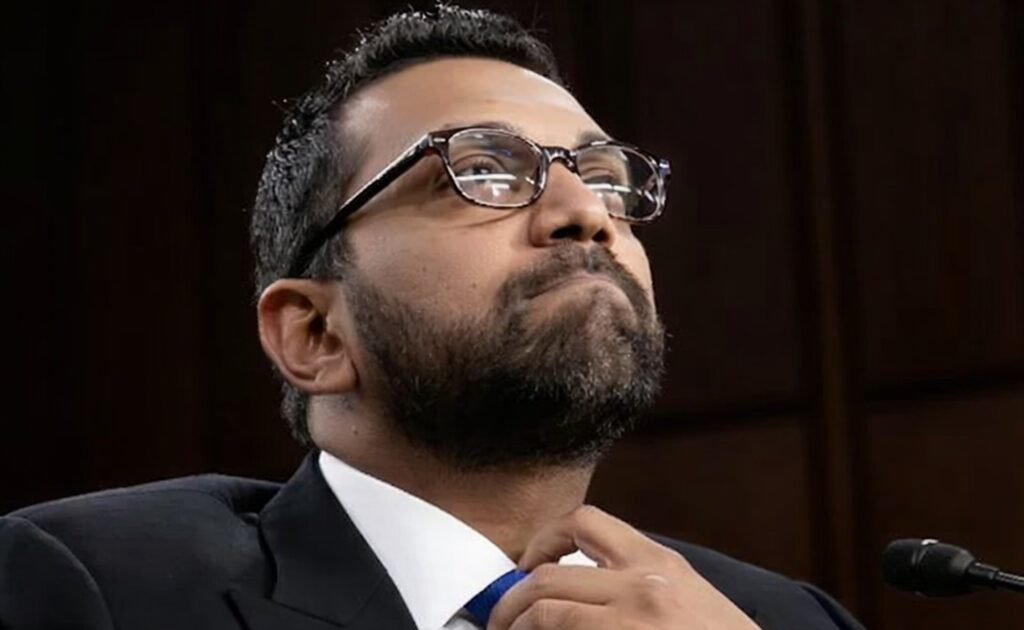

The FBI has dismissed several analysts connected to a 2023 intelligence memo that raised concerns about possible threats from Catholic “violent extremists,” according to their lawyer, in what is being described as the latest round of firings under Director Kash Patel.
Those affected reportedly include four intelligence analysts and one supervisory analyst. The FBI has not issued an official response to the development.
Lawyer David Laufman criticised the decision, saying: “This action is manifestly unjust, completely unsupported by the facts, and subverts standard FBI policy and procedure.” He added, “These individuals deserved far better for the exceptional and faithful public service they rendered to protect our country.”
The memo, produced in January 2023 at the FBI’s Richmond office in Virginia, later became politically sensitive after Republicans referenced it in allegations that the bureau was biased against conservatives during the Biden administration.
Former FBI Director Chris Wray denied any wrongdoing, while the bureau said the document was quickly withdrawn and subjected to internal review. Former Attorney General Merrick Garland also said he was “appalled” by its contents.
Although subsequent Justice Department reviews criticised the analytical methods used, they did not conclude that the analysts acted with malicious intent.
The dismissals are said to be part of a wider reshuffle under Kash Patel, a Trump ally who has reportedly removed several staff members linked to past investigations involving Donald Trump or viewed as out of step with the current administration’s direction.
Earlier, the FBI also dismissed counterintelligence agents involved in the investigation into Trump’s handling of classified documents at his Mar-a-Lago residence.
The 2023 Richmond memo originated from a domestic terrorism assessment that examined a potential link between what it described as “Radical Traditionalist Catholic” ideology and racially or ethnically motivated extremist activity, warning of possible violent risks.
An internal FBI review later found that analysts “failed to adhere to analytic tradecraft standards” and blurred the line between religious belief and extremist ideology without adequate supporting evidence.
However, a 2024 Justice Department inspector general report concluded that while there were methodological errors, “no evidence of a malicious intent or an improper purpose” was established.