President Donald Trump continues to dominate the Republican Party, but fresh tensions are emerging within his party as a growing number of lawmakers in Congress openly resist some of his second-term decisions.
Although Republicans are still expected to pass a key legislative priority next week — a $70 billion funding package for Immigration and Customs Enforcement (ICE) and Customs and Border Protection (CBP) — the bill nearly collapsed after internal backlash over Trump’s push for a $1.8 billion settlement fund, which critics say would benefit his political allies.
Senate GOP leaders were eventually able to contain the revolt, but the episode exposed widening divisions between the White House and Capitol Hill Republicans, with lawmakers increasingly willing to challenge the president on policy and strategy.
Discontent has reportedly spread beyond traditional dissenters, with some Republicans frustrated over Trump’s handling of foreign policy, internal party decisions, and initiatives such as plans for a White House ballroom and what critics describe as political retaliation against opponents.
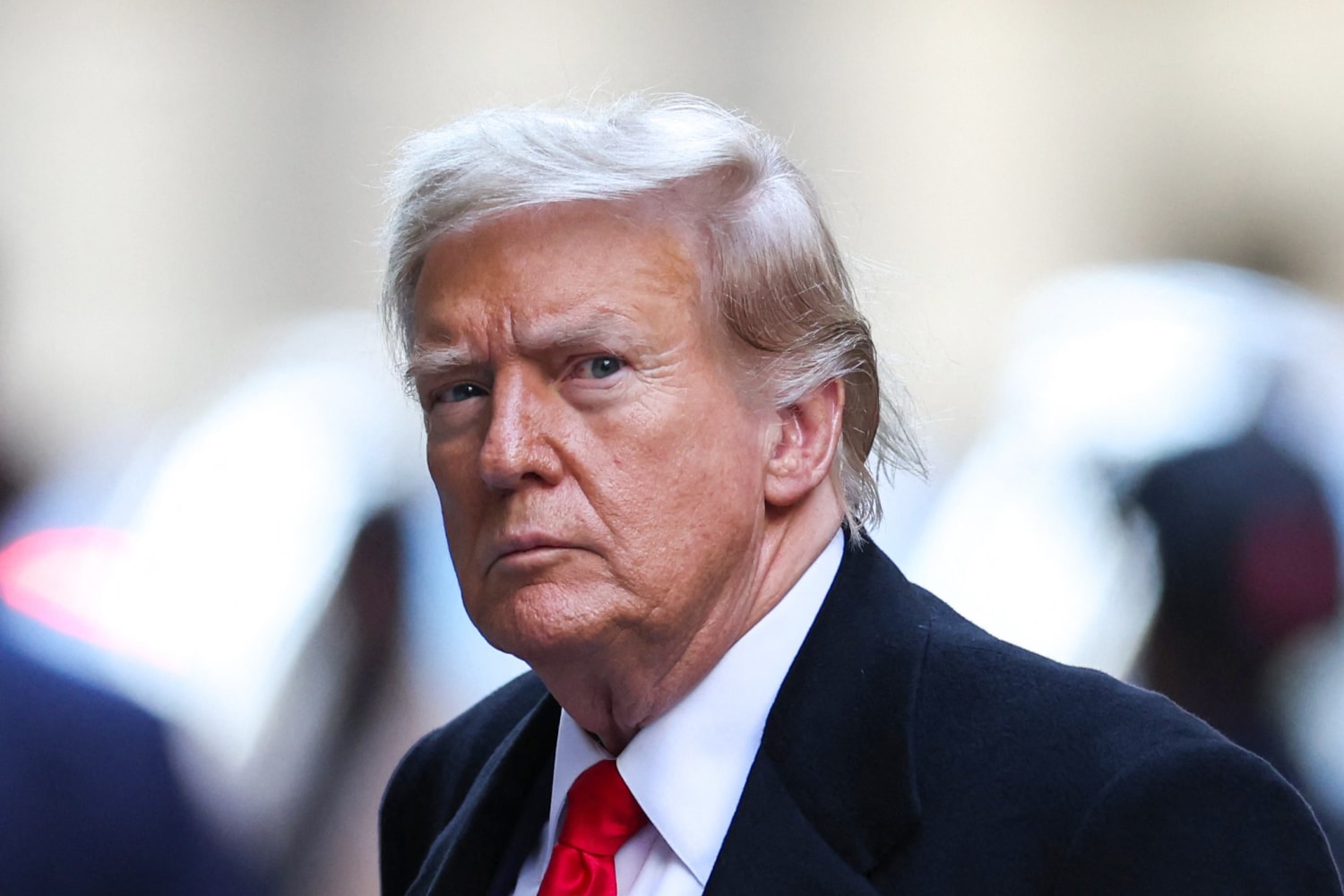
“I don’t understand the calculus of letting the president just go out on this warpath,” one Republican source said, adding that many lawmakers simply want the administration focused on everyday economic concerns like reducing living costs.
Behind closed doors, GOP members have expressed concern that Trump’s actions and declining approval ratings could endanger their chances of retaining Senate control in the upcoming elections.
“There’s this realization … if no one’s looking out for me, I have to look out for myself,” a senior Republican aide said, describing growing willingness among vulnerable lawmakers to break ranks.
During recent Senate votes, more than a dozen Republicans opposed Trump-backed measures, including the settlement fund proposal and aspects of his spending priorities. Senator Lisa Murkowski also rejected the broader immigration funding package, citing concerns over oversight and executive authority.
In the House, similar fractures appeared as lawmakers voted against Trump’s positions on foreign policy issues, including Iran and Ukraine. Some Republicans joined Democrats in supporting measures limiting presidential war powers and rebuking aspects of his international strategy.
Notably, several lawmakers in competitive districts also broke with Trump, including senators facing tough reelection battles who opposed key elements of his agenda.
Despite the growing resistance, the White House insists that Trump remains focused on maintaining Republican majorities in Congress.
“While the media and Democrats attempt to sow nonexistent divisions, we look forward to continuing this close relationship,” said White House spokeswoman Abigail Jackson.
Trump himself has dismissed criticism from Capitol Hill, recently calling Senator Thom Tillis a “loser” after the lawmaker opposed his expected attorney general nominee.
Former House Speaker Newt Gingrich defended Trump’s leadership, saying the president’s unconventional approach has still delivered significant political results despite internal disagreements.
However, some Republican aides say lawmakers are increasingly planning around Trump rather than with him, as uncertainty grows over his policy direction.
“Nobody knows what to do,” a White House official said, describing the administration’s agenda as largely driven by Trump’s personal priorities.
With elections approaching, Republican lawmakers appear likely to continue balancing support for Trump’s agenda with growing pressure to distance themselves from his more controversial decisions.