The White House is trying again. After a failed attempt to block state AI laws, the Trump administration is back at the negotiating table — and this time, they have a powerful ally.
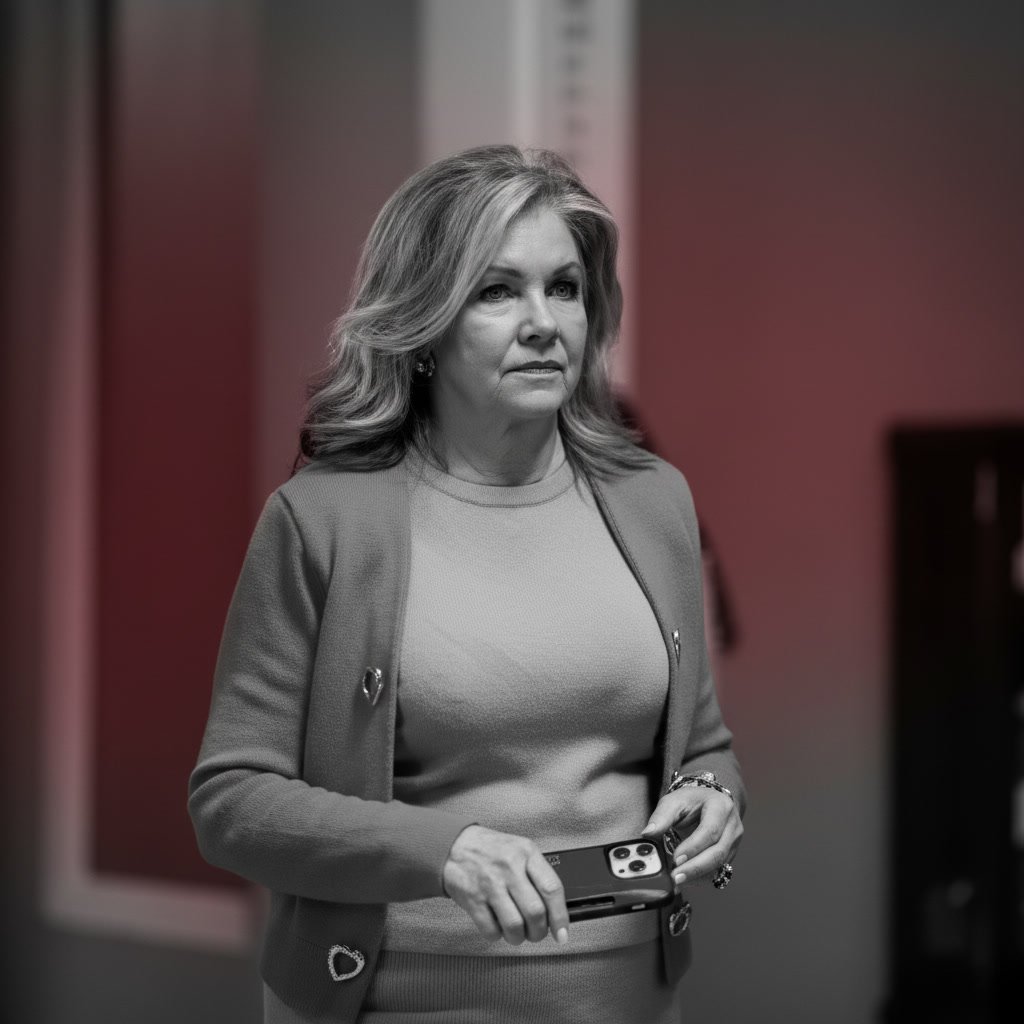
Sen. Marsha Blackburn (R-Tenn.) is leading negotiations with the White House to finalize a legislative package that would preempt some state AI laws in exchange for the administration’s support of key tech policy priorities from Capitol Hill.
The package pairs one of the tech industry’s top priorities — overriding state AI laws — with legislation aimed at protecting kids online and combating deepfakes. The measures include the Kids Online Safety Act (KOSA), the NO FAKES Act, and age verification requirements.
“Senator Blackburn is spearheading the negotiation with the White House to finalize legislative text of an AI preemption package that includes protections for kids, creators, and communities through the Senate version of KOSA, the NO FAKES Act, and age verification requirements,” a Blackburn spokesperson told Axios.
What’s on the Table
The package is not a “blanket pre-emption of all laws regulating AI or child safety,” the spokesperson said. But it would override state-level AI laws that the tech industry has lobbied against.
States including Colorado, California, and others have passed or proposed stronger AI regulations than the federal government has been willing to adopt. Tech companies argue that a patchwork of state laws makes compliance difficult and stifles innovation. Consumer advocates argue that states are filling a void left by federal inaction.
The White House is now trying to strike a deal: federal preemption in exchange for Republican support on KOSA and other tech measures.
“The White House continues to proactively engage across government and industry,” a White House official said.
The Previous Failure
The last time the Trump administration tried to preempt state AI laws, Republicans were inundated with pushback from advocacy groups and state lawmakers across the country. The Obernolte-Trahan bill — which would have preempted state AI laws for three years, formally established the Center for AI Standards and Innovation, and required certain developers to address risks prior to releasing models — was met with strong opposition.
Groups argued that states should be free to regulate AI as they see fit. The bill stalled.
Blackburn’s support, which the White House did not previously have, is now seen as key for passage.
The Broader AI Push
The revival of the preemption fight comes on the heels of Trump signing an AI and cyber executive order last week that includes voluntary pre-deployment testing of frontier models. The White House is also holding a meeting this week with AI companies to dig into what benchmarking should look like for that order.
The maneuvering between Congress and the White House shows that the Obernolte-Trahan bill is no longer the likely vehicle for AI policy in this Congress. Blackburn’s package is now the focus.
The Bottom Line
Sen. Marsha Blackburn is leading White House negotiations to preempt some state AI laws in exchange for the administration’s support of the Kids Online Safety Act, the NO FAKES Act, and age verification requirements. The package would override state-level AI regulations that the tech industry has lobbied against. A previous attempt to preempt state laws failed after pushback from advocacy groups and state lawmakers. Blackburn’s support is now seen as key to passage.
The White House is trying again. This time, with Blackburn leading the charge, they may have a better chance. But the clock is ticking toward the August recess in an election year, and the fight over who gets to regulate AI — Washington or the states — is far from over.