The U.N. atomic watchdog’s board has passed a resolution demanding that Iran fully cooperate with the agency, provide complete information about its stockpile of near weapons-grade nuclear material, and grant its inspectors immediate access to Iranian nuclear sites.
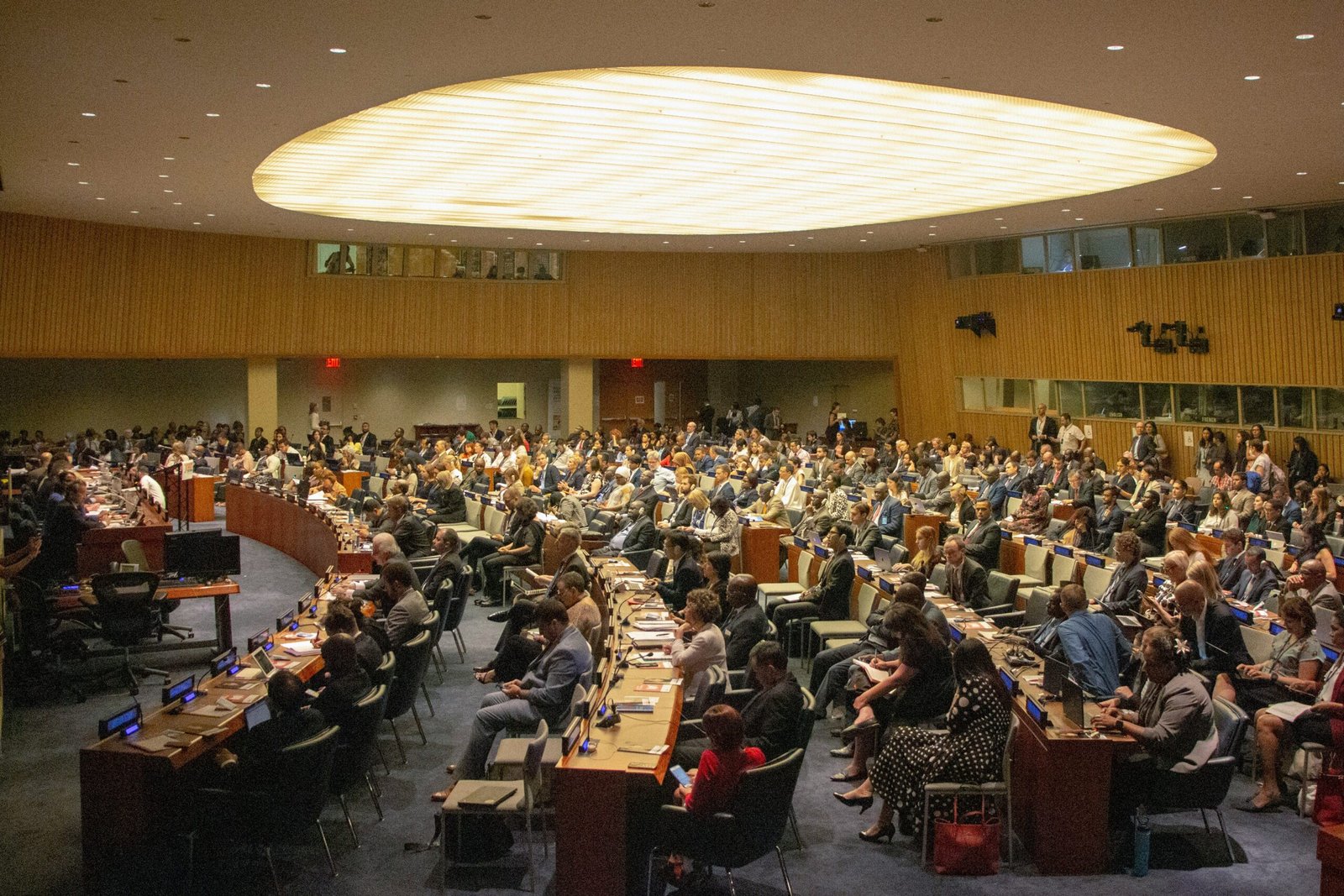
The resolution, passed Wednesday at the International Atomic Energy Agency headquarters in Vienna, said that giving information and access are “essential and urgent” in order to enable verification that there is no “diversion of nuclear material.”
Twenty-one countries on the IAEA’s 35-member board of governors voted for the resolution. Russia, China and Niger opposed it, while 10 countries abstained and one did not vote. The resolution was put forward by France, the United Kingdom, Germany and the United States.
The Diplomatic Pressure
A senior Western diplomat said that the resolution “aims to keep diplomatic pressure on Iran to come into compliance with its legal safeguards obligations.”
The resolution comes at a time of heightened tensions in the Middle East. The US launched airstrikes early Wednesday against Iran, and Tehran fired back at countries in the region. The escalating attacks threatened to derail efforts to end the war, as President Donald Trump warned that the Iranian government would “pay the price” for stalled peace negotiations.
Since Israel and the United States struck Iran’s nuclear sites during the 12-day war in June 2025, Iran has not given IAEA inspectors access to nuclear sites that were affected by the strikes — even though Tehran is legally obliged to cooperate with the watchdog under the Nuclear Nonproliferation Treaty. The agency also has been unable to verify the status of the stockpile of near weapons-grade uranium since the June bombing.
The Nuclear Stockpile
According to the IAEA, Iran maintains a stockpile of 440.9 kilograms (972 pounds) of uranium enriched up to 60% purity — a short, technical step away from weapons-grade levels of 90%. That stockpile could allow Iran to build as many as 10 nuclear bombs, should it decide to weaponize its program, IAEA Director-General Rafael Mariano Grossi warned in a recent interview with The Associated Press. He said that it does not mean that Iran has such a weapon.
Iran says that it is not pursuing nuclear weapons, and its program is entirely peaceful.
Iran’s Response
Talking to reporters outside the IAEA boardroom, Iran’s ambassador to the IAEA, Reza Najafi, denounced Wednesday’s resolution and said that the document describes the situation in Iran “as being quite normal and as if nothing had happened.”
He said that “under the current unprecedented security environment created by the attacks and continued threats by the aggressors, the legal, technical, and operational foundations for the normal implementation of safeguards in Iran have been destroyed.”
Najafi also said that Iran had granted the IAEA access to “all unaffected facilities,” saying that the resolution “neglects all Iran’s cooperation with the agency, even under war conditions.”
What the Resolution Does — and Doesn’t Do
The resolution also “deeply regrets” Iran’s “failure to remedy” its noncompliance with its nonproliferation obligations over the past 12 months. The IAEA board found Iran officially in noncompliance with its safeguards agreement last June for the first time in 20 years — right before the US and Israel launched attacks against Iran’s nuclear sites.
Wednesday’s resolution fell short of referring Iran to the UN Security Council to consider more sanctions for the country’s noncompliance, a move that last happened in February 2006. The resolution leaves that door open, however, stating that the IAEA board “will stand ready to take further action,” including by addressing the “timing and content” of a formal noncompliance report for consideration by the UN Security Council.
The Bottom Line
The UN nuclear watchdog’s board has passed a resolution demanding that Iran grant immediate access to its nuclear sites and provide full information about its near weapons-grade uranium stockpile. The resolution passed 21-3 with 10 abstentions. It comes as the US and Iran exchange airstrikes and peace negotiations stall. Iran denounced the resolution, saying the security environment has destroyed the foundations for normal safeguards implementation. The resolution stops short of referring Iran to the UN Security Council for sanctions but leaves that option open.