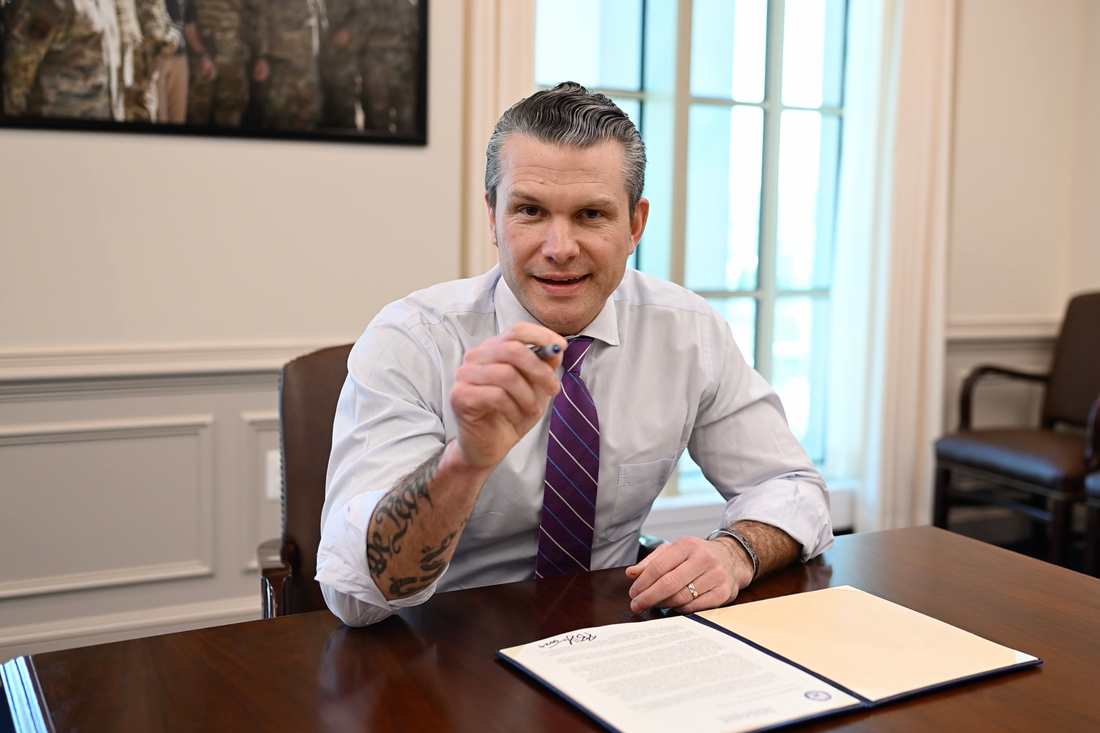

Defense Secretary Pete Hegseth is facing severe backlash from former military leaders after intervening to block the career advancements of several high-ranking Navy and Air Force officers. Many call these targeted blocks an unprecedented abuse of power, pointing out that a disproportionate number of the sidelined officers are women and racial minorities.
The defense chief’s allies insist the moves are part of a strict effort to restore a pure meritocracy to the military. However, the decision has ignited a fierce political and cultural battle over how the Pentagon judges the worthiness of its top leadership.
A Pattern of Stalled Advancements
The friction within the Pentagon has steadily intensified over the last several months, spreading across multiple branches of the armed forces. Hegseth blocked the promotions of nine Navy officers. Out of those nine, three are women, and two are Black men. Following his edits, a newly released list of 22 prospective one-star admirals contained zero women, a jarring statistic for a branch where women make up over 21% of active-duty personnel.
In the Air Force, Hegseth halted the competitive promotions of nine colonels. Out of the 17 names allowed to move forward, only one was a woman, and none were Black. Earlier this year, Hegseth similarly intervened in the Army’s promotion track, removing two women and two Black men from a one-star general list. This move caused a sharp behind-the-scenes feud with Army Secretary Dan Driscoll.
Turning the Military into a Personal Culture War Playground
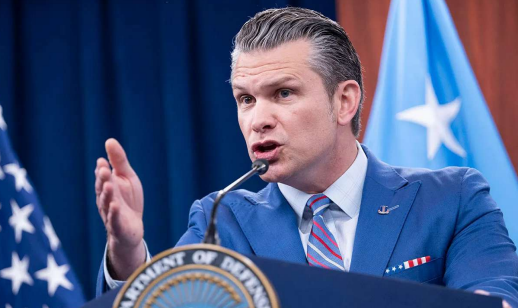
Pete Hegseth’s ongoing crusade to cleanse the military of anything he labels “DEI” has crossed the line from policy reform into total executive overreach. For generations, the process of choosing generals and admirals was kept strictly professional. Panels of highly experienced, active-duty military leaders spent months rigorously vetting candidates based on their actual achievements, combat records, and leadership skills. For a Defense Secretary to repeatedly sweep in, throw out the expert panel’s recommendations, and manually cross off names is entirely unprecedented.
The Pentagon’s defense, that “meritocracy reigns supreme” under Hegseth, is incredibly hollow when you look at the numbers. To claim that out of dozens of highly competitive, top-tier Navy officers, not a single woman was qualified to be a one-star admiral is statistically ridiculous. It screams of personal bias.
As Hunter Stires, a former Navy maritime strategist, perfectly put it: Hegseth “talks merit and walks chauvinism.” He is actively creating a top-tier officer corps designed to look exactly like him.
By punishing officers simply because they served under a previous administration or worked within standard departmental guidelines, Hegseth is sending a poisonous message to the ranks. He is telling minority and female service members that no matter how hard they work, how much they sacrifice, or how highly their peers rate them, their careers can be instantly crushed if they don’t pass an arbitrary, ideological loyalty test. This isn’t defending merit; it’s a toxic culture war that threatens to destroy internal military morale and push our best leaders to walk out the door.
The New Rules of Pentagon Merit
According to sources close to the administration, Hegseth’s criteria for a promotion differ wildly from traditional standard reviews. While race and gender are reportedly not explicit reasons for a rejection, a candidate’s history with diversity initiatives or their alignment with past administrations serves as a major litmus test.
The structural fallout of this policy change includes:
1. Corrosive Effects on Retention: Former Air Force Secretary Frank Kendall warned that these blocks create an assumption that any minority or woman who does get promoted only achieved it because of an identity quota, rather than hard work. This stigma is causing severe widespread anger and making top talent reconsider staying in the service.
2. Congressional Pushback: The controversial interventions have alarmed lawmakers on Capitol Hill. Representative Pat Ryan successfully pushed an amendment to the National Defense Authorization Act (NDAA) demanding the Pentagon explain senior firings within five days, while Representative Marilyn Strickland narrowly failed in a 26-30 vote to legally strip the Defense Secretary of his power to alter promotion lists.
3. A Leadership Vacuum: Since taking office, Hegseth has quietly sidelined or outright dismissed more than 20 top flag officers. This includes removing General Charles Q. Brown, the former Chair of the Joint Chiefs of Staff, and Admiral Lisa Franchetti, the first female Chief of Naval Operations, leaving the upper echelons of military command heavily fractured.
A Dangerous Precedent for Command
By demanding absolute ideological alignment over institutional vetting, Hegseth is fundamentally shifting how the U.S. military elevates its top strategists. While the administration views this as a necessary course correction to eradicate political correctness, former defense officials warn it does the exact opposite. By replacing an established, multi-layered meritocracy with the personal whims of a political appointee, the Pentagon risks breaking the chain of trust that keeps the military disciplined, unified, and ready for conflict.