
The death toll from the twin earthquakes that struck Venezuela on Wednesday has risen to at least 589, with nearly 3,000 people injured, as rescuers race to reach survivors before the critical 72-hour “golden window” to save people closes.
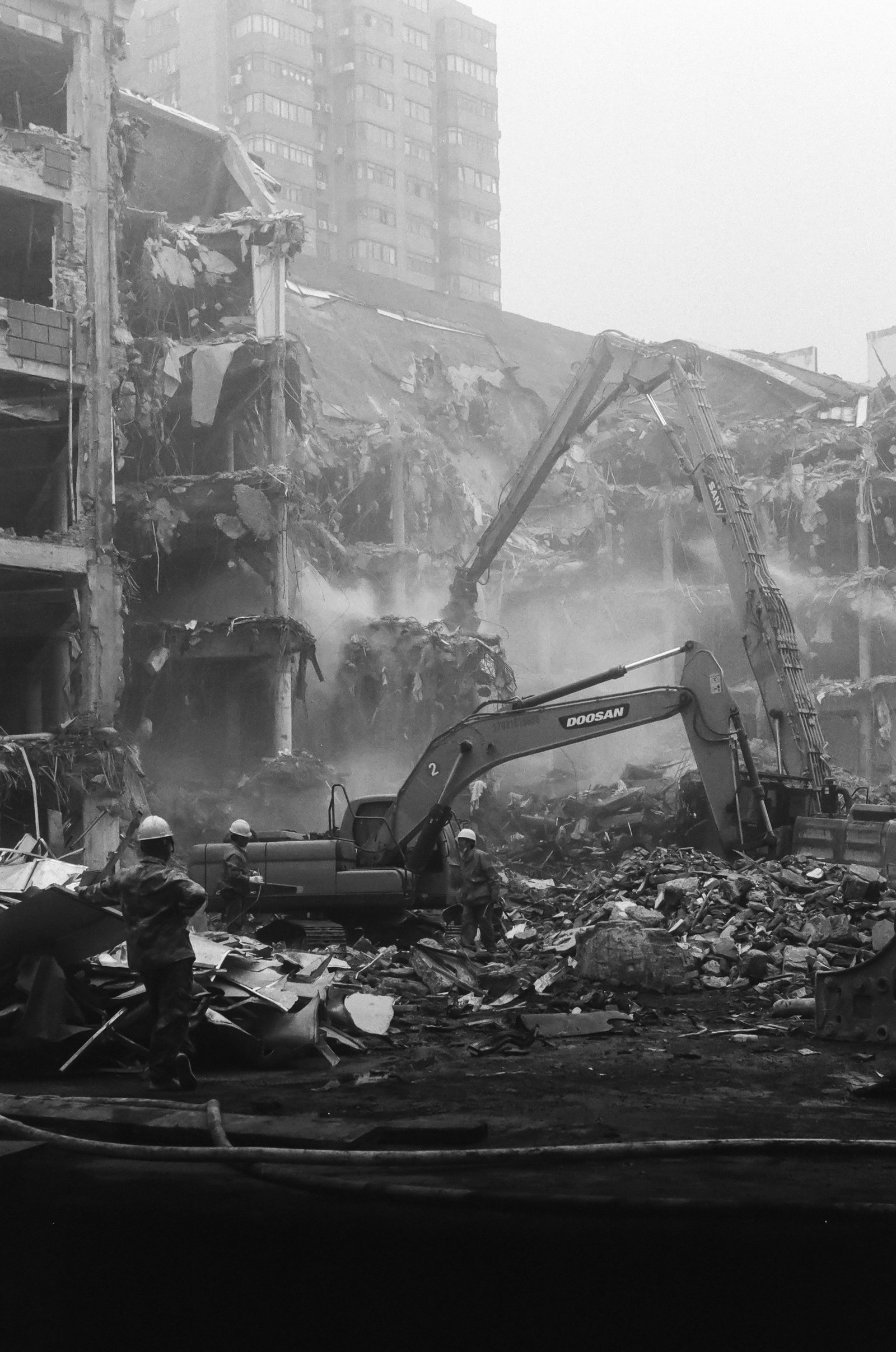
The second quake was the country’s most powerful in more than a century. Affected residents have nowhere to go after their homes were flattened in Caracas, La Guaira, and the surrounding areas. Over 100 buildings collapsed in La Guaira state, the area most impacted, according to Interior Minister Diosdado Cabello.
Acting President Delcy Rodríguez announced the updated death toll on Friday, adding that 2,980 people have been injured. “We haven’t slept a wink in our efforts to save lives,” Rodríguez told Venezuela’s state broadcaster VTV, as she praised the arrival of international assistance and emergency crews. “We have saved dozens of lives.”
The Disaster’s Impact
The twin quakes struck a country already mired in political and financial crisis. Nearly 8 million people in Venezuela were in need of humanitarian support prior to the earthquakes, according to the United Nations Office for the Coordination of Humanitarian Affairs.
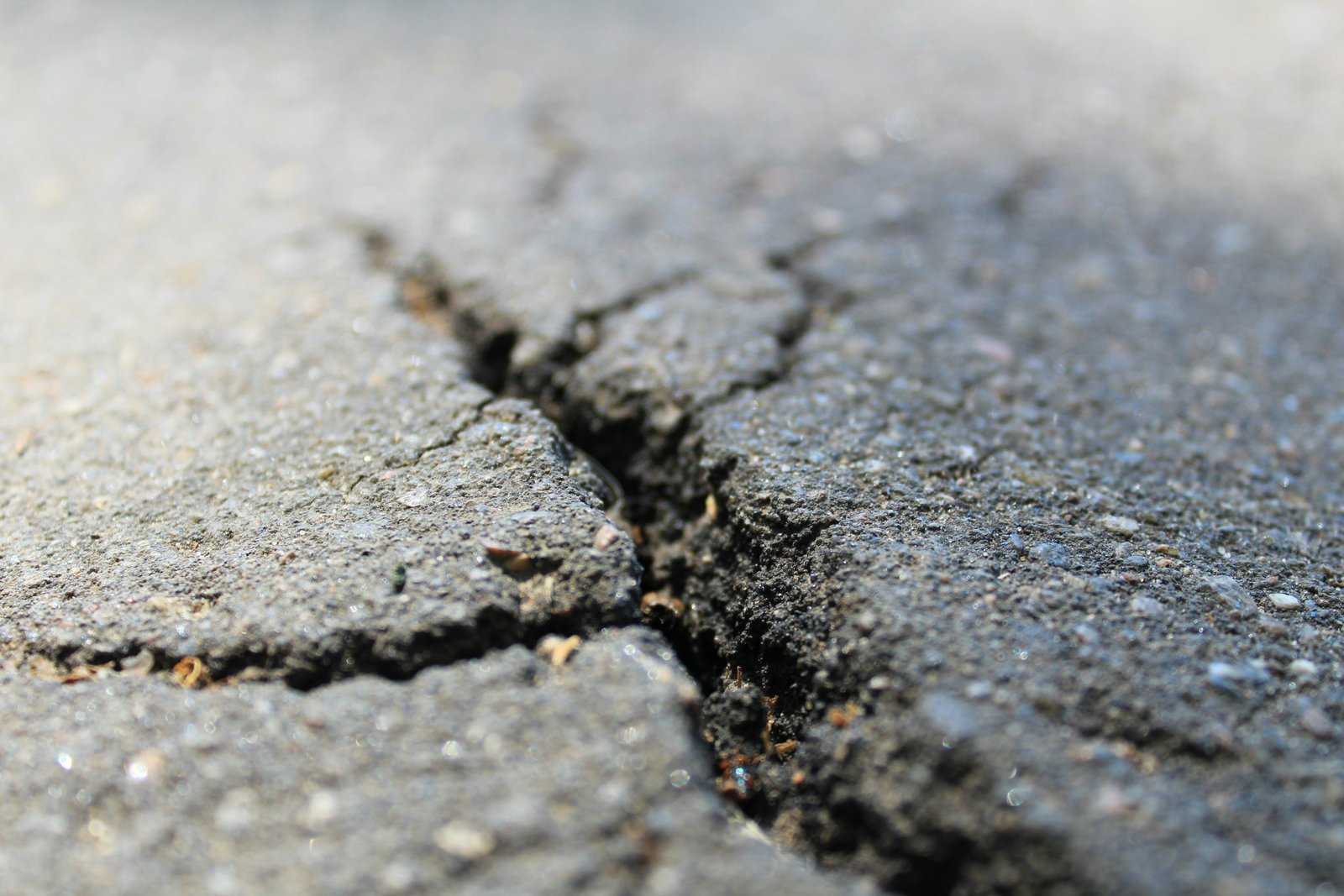
Decades of economic crisis and widespread corruption mean that many buildings are likely to have been poorly maintained or built outside of formal regulations, according to experts. Venezuela ranks 180 out of 182 countries worldwide on Transparency International’s corruption index. Buildings built in the 1950s, ’60s, and ’70s – before codes were fully updated – have inherent vulnerabilities due to their age.
The devastation is particularly acute in La Guaira, a coastal state no stranger to tragedy. In December 1999, a landslide caused by torrential rains led to the death and disappearance of thousands of people in the state.
International Response
The US military is on the ground for rescue efforts in Venezuela, alongside teams from Mexico, Colombia, Spain, and other countries. The Fairfax County, Virginia, fire and rescue department is sending a contingent of 80 people and six dogs to Venezuela, along with an equipment cache of almost 70,000 pounds.
Search and rescue efforts are “very difficult” and could take up to 12 to 48 hours to safely rescue a single person, according to battalion chief Robert Schoenberger. “They spent years doing this. We’ve got thousands of hours every year that we train,” he said.
Pledges of foreign aid are pouring in from around the world. Rodríguez announced the militarization of La Guaira state to coordinate rescue efforts and maintain order.
The Victims
Among the dead are nationals from Brazil, China, Spain, and Portugal. At least four Spanish nationals have been killed, and 99 others are missing, including the Canary Islands government’s representative in Venezuela. Nine Portuguese people were killed, and two Chinese nationals were killed, according to state media.
Survivors are traumatized. Fernando Muñoz spent the night in his car with his mother, parked in front of their building in Caracas. They could not go back inside. “That same sense of fear made us stay down in the car to sleep,” Muñoz told CNN. His apartment was severely damaged, with jammed doors, cracked walls, and several areas of the interior compromised.
The Bottom Line
The death toll from the twin earthquakes in Venezuela has risen to at least 589, with nearly 3,000 injured and hundreds more missing or trapped beneath rubble. The second quake was the country’s most powerful in over a century. International rescue teams, including US military personnel, are on the ground racing against the critical 72-hour “golden window” to find survivors. The disaster has struck a country already facing an extensive humanitarian crisis, with poorly constructed and aging buildings contributing to the devastation.