The race for Downing Street is effectively over; the confirmation that Andy Burnham is the UK’s next Prime Minister is practically a done deal. This follows an overwhelming support from Labour Party lawmakers on Thursday. After a chaotic few weeks in British politics, the Member of Parliament for Makerfield secured nearly the entire room of nominations on day one, locking down his path to take over the country’s top job.
The Historic Labours Nominations Surrounding Andy Burnham
The speed of this political transition has stunned Westminster. To officially trigger a competitive ballot, a rival needs at least 81 nominations from sitting MPs. However, during the first day of voting, Burnham secured a massive 322 nominations out of the 403 total Labour lawmakers. This leaves him exactly one vote shy of rendering it mathematically impossible for any opponent to even enter the race.
With key rival Al Carns stepping aside on Wednesday night to avoid dividing the party, Burnham faces zero serious opposition. Several MPs who missed the initial Thursday session confirmed they will cast their formal ballots when they return to parliament on Monday. The party expects to officially anoint him as the new Labour leader by next Friday, clearing the way for his formal appointment at Buckingham Palace on July 20.
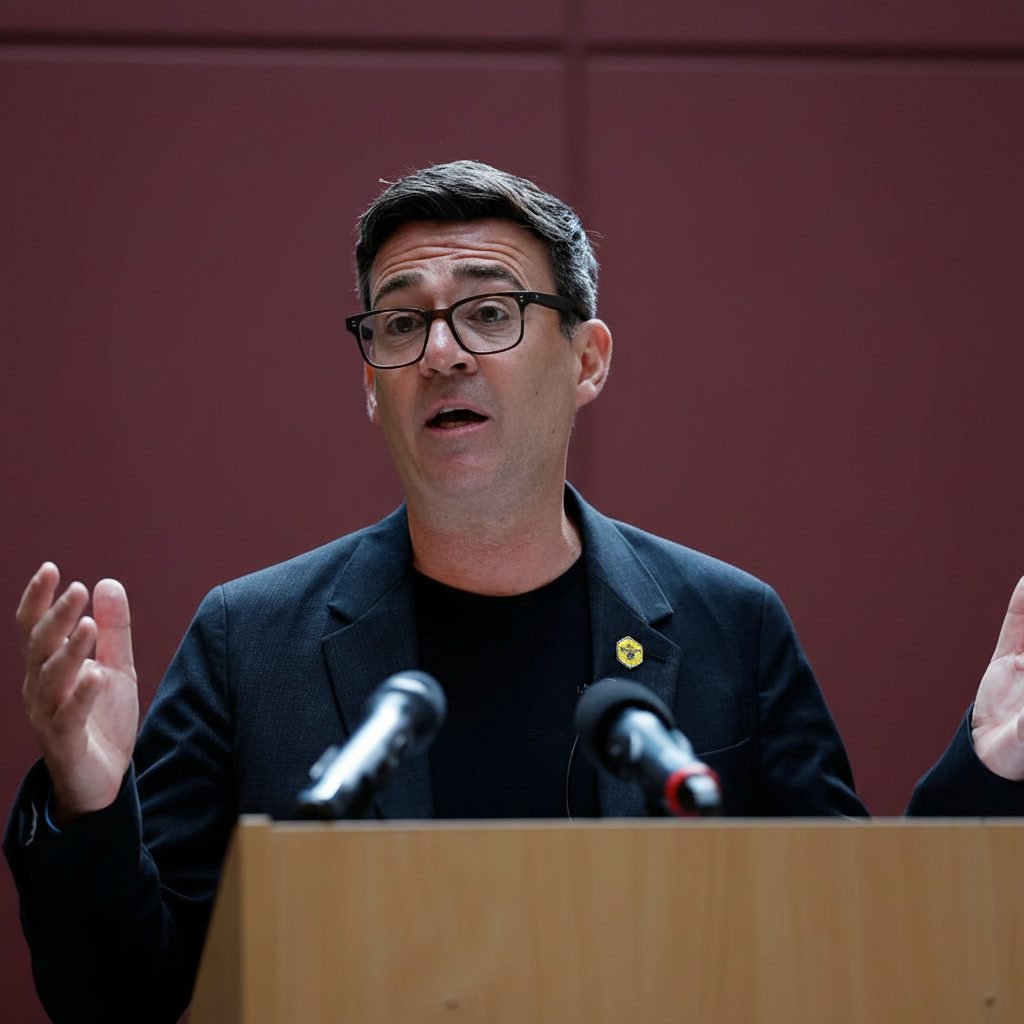
Why the Next British PM Inherits a Fractured Government
Taking the crown is the easy part; fixing the country is where the real work begins. The push for Andy Burnham as the UK’s Prime Minister in the 2026 administration started immediately after Keir Starmer announced his resignation last month. Starmer bowed to internal pressure following a disastrous showing in the May local elections, where voters clearly expressed their frustration with the government’s economic direction.
Burnham, often dubbed the “King of the North” due to his previous tenure as Mayor of Greater Manchester, has spent years building a reputation as a straight-talking leader who looks out for working-class communities outside of the London bubble. He now faces the immediate challenge of uniting a deeply fractured parliamentary party while tackling public sector crises, high living costs, and a restless British public demanding immediate change.
My Opinion
The Labour Party didn’t choose Burnham because they suddenly fell in love with his northern charm; they chose him out of pure, unadulterated political survival. Keir Starmer’s robotic, hyper-cautious leadership completely alienated the working-class base that brought the party to power, leading to the absolute disgrace that was seen in the May local elections.
The reason the establishment rushed to crown Burnham in less than 24 hours is that they are terrified of a prolonged, messy public civil war. Burnham is clever; he kept his hands clean during the recent parliamentary infighting while building a public profile as an outsider who fights for the ordinary person. However, running a city is entirely different from running a country with a broken economy. If he thinks he can fix Britain’s systemic issues with northern skills alone, he will face the exact same fate as Starmer before the year ends.
Bottom Line
The swift rise of Andy Burnham as the UK Prime Minister signals a major ideological reset for the British government. With nominations officially closing next Thursday, the formal transition of power on July 20 will officially end the short, turbulent Starmer era. Whether Burnham can successfully convert his immense popularity among party lawmakers into real-world economic recovery is the defining question for the future of the United Kingdom.