When Western leaders kicked out hundreds of Russian spies from European capitals after the 2022 invasion of Ukraine, Moscow needed a new base. The Kremlin had to find a backdoor to buy the restricted military technology, microchips, and machinery needed to fuel its war machine. Vladimir Putin found his answer in Tokyo, rapidly turning Japan into a busy den of spies.
Why Russian Spies Targeted Japan
For decades, Japan has had a reputation among foreign intelligence agencies as a soft target. Because of laws passed after World War II, the country does not have a central anti-espionage law or a large, aggressive foreign intelligence agency like the CIA or MI6. When Putin faced massive pushback in Europe, his networks took advantage of these weak spots. Dozens of the same Russian spies who were kicked out of Europe simply packed their bags and moved to Tokyo, using undercover roles in trade companies and embassies to continue their work.
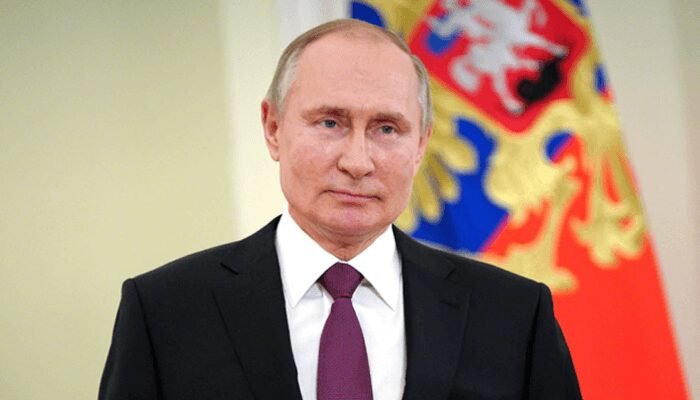
Hunting for Western Military Technology
The main goal for these Russian spies is not just stealing state secrets, but also buying high-tech gear. Operating out of unassuming office buildings in Tokyo, networks tied to the Kremlin spend millions to buy tools that Russia can no longer get legally. They look for specific things:
- Microchips for missiles
- Transmitters for military radios
- Precision factory machinery to build weapons
By using front companies, the Kremlin hides the destination of these goods, shipping them through third countries before they finally arrive in Russia to support Putin’s war.
My Opinion
From this situation, it is clear that Japan’s old-school approach to national security is failing in a digital, high-tech world. For a long time, Japanese officials tolerated a certain level of foreign presence because it kept diplomatic doors open. But Putin is playing a much more dangerous game.
This is no longer about old-fashioned Cold War handlers meeting in dark alleys; this is a highly organized supply chain operation. The Kremlin is using Japan’s open economy to bypass global sanctions. If Tokyo does not tighten its laws, punish front companies, and actively hunt down these Russian spies, the country will continue to be a weak link in global security. Japan cannot afford to look the other way while its own technology is being used to power a war.
Bottom Line
The evidence shows that Putin successfully exploited a vulnerable system to rebuild his intelligence network. By turning Japan into a safe haven for Russian spies, the Kremlin has managed to keep its hands on the critical military technology it needs to survive. For Tokyo, stopping this wave of espionage is no longer just a local issue; it is a matter of global security.