
Toyota revealed last week that it will relocate part of its vehicle production from Mexico to the United States, a move many global automakers have so far avoided.
The Japanese carmaker said its expanded manufacturing facility in San Antonio, Texas, will soon produce half of its top-selling midsize Tacoma pickup trucks. The plant already assembles the Tundra full-size pickup and the Sequoia SUV. Despite the shift, Toyota confirmed it will continue manufacturing the Tacoma in Mexico.
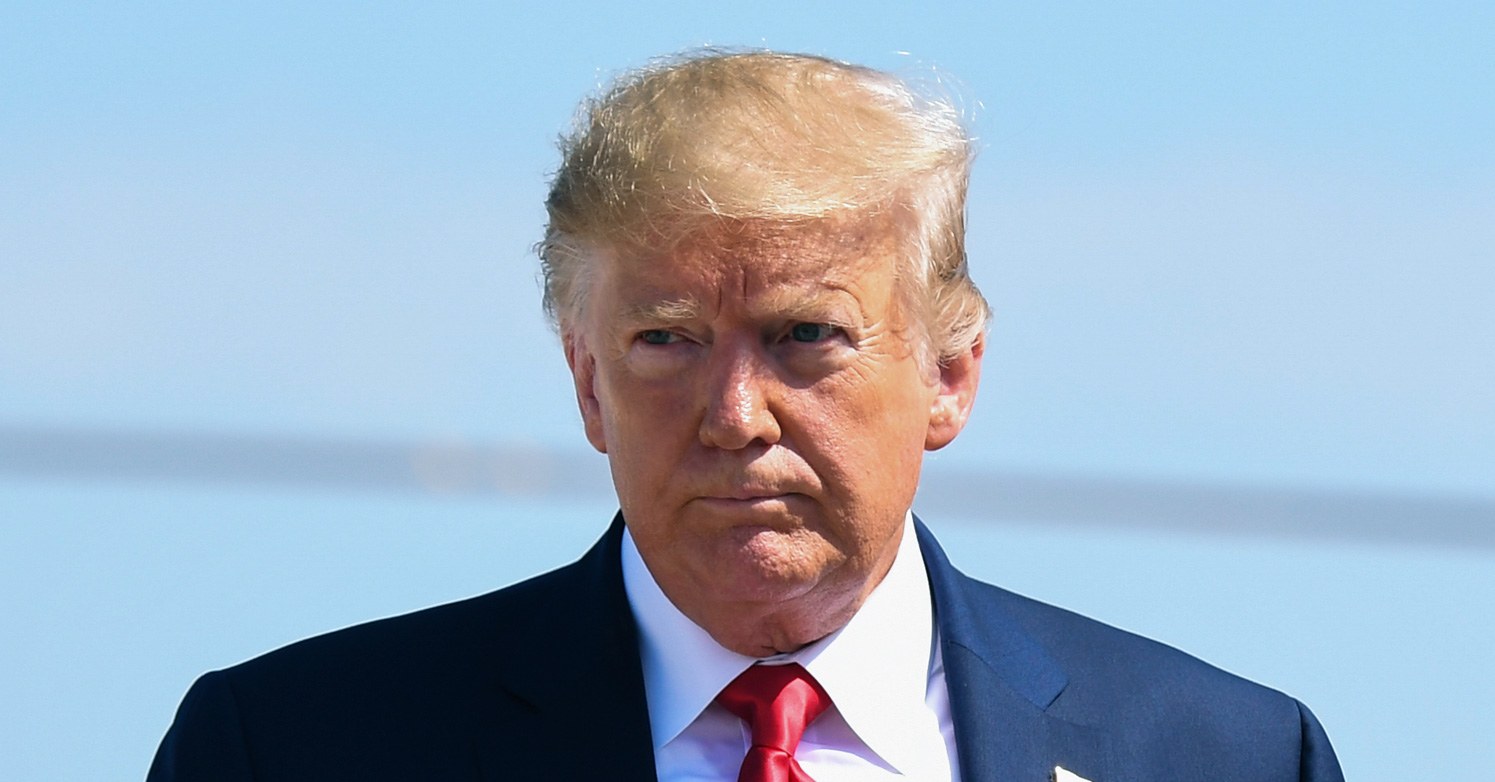
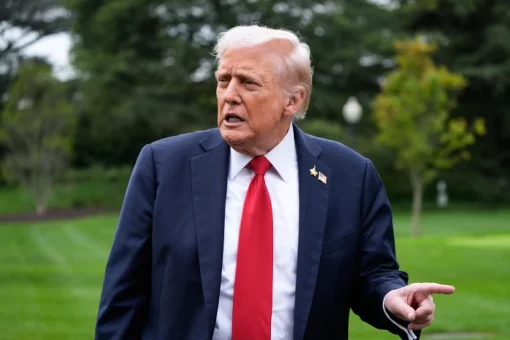
US President Donald Trump welcomed Toyota’s production shift, describing it as “a really big deal” and claiming it showed “Tariffs at work!”
However, Toyota did not attribute its decision to relocate part of its production to US tariff policies.
“While we are impacted by evolving trade policies, our investments are multi-decade decisions based on broader strategic goals,” the company told CNN.
More than a year after the Trump administration introduced sweeping tariffs on imported vehicles to encourage manufacturers to expand production in the United States, Toyota’s decision remains an exception rather than the norm.
Only a handful of automakers have disclosed plans to shift production to the United States. Most manufacturers have opted to pay the tariffs instead of investing billions of dollars in new factories, while the few vehicles being moved to the US are largely being produced in existing plants rather than newly built facilities.
According to Mobility Global, imported vehicles accounted for 46% of cars bought by US consumers last year, a slight decline from 47.7% in 2024. The reduction was partly linked to automakers cutting back on sales of cheaper imported models, such as the Nissan Versa.
However, automakers face high costs and uncertainty, making large-scale changes to their manufacturing networks difficult.
“It’s a huge commitment (to build a factory) and to do it on a whim would be borderline crazy,” said Ivan Drury, director of insights at car-buying site Edmunds. “So the safest action is no action. Continue on, even with that increased (tariff) cost.”
One method automakers use to reduce expenses is now facing potential disruption — the United States-Mexico-Canada Agreement (USMCA), the trade deal negotiated during Trump’s first term.
The agreement is now set for renegotiation, and Trump indicated last month that he could withdraw from it if major changes benefiting American companies are not made. The possibility has raised concerns among automakers that rely on the smooth movement of parts across the US, Mexico, and Canada borders.
The American Automakers Policy Council, a trade group representing General Motors, Ford and Stellantis, said in a statement that it was seeking “a swift and durable resolution” that would create fair competition and offer the long-term certainty required for major automotive investments.
Tariffs have begun to weigh heavily on automakers’ financial performance. Toyota paid $8.4 billion in duties during its latest fiscal year, pushing its North American operations from profit into a loss. General Motors incurred $3.1 billion in tariff costs in 2025, while Ford paid $1 billion.
This does not mean the tariffs have had no impact on encouraging companies to relocate some production to the US. Alongside the Toyota Tacoma move, General Motors announced last year that it would transfer the assembly of two SUVs from Mexico. The company also plans to stop importing a Buick SUV from China and produce a replacement model in the United States.
However, the vehicles will be produced at existing facilities in Kansas and Tennessee. Those plants had available capacity after GM scaled back major investments in electric vehicle production following the withdrawal of government support for EVs by Trump and Republican lawmakers in Congress.
Patrick Anderson, a Michigan-based economist and automotive industry expert, said Toyota’s decision to move some production to San Antonio was driven by business considerations that go beyond trade policy.
“Toyota has been very successful at growing its truck business in the United States, and their San Antonio production is already the mainstay of that in the United States,” he said. “So it makes natural business sense to consolidate existing operations.”
Even with the current high tariff levels, it is not practical for automakers to relocate production based solely on trade policies that can change much more quickly than the time required to construct a new factory.
Experts say automakers would need years of planning and billions in investment to develop enough US manufacturing capacity to replace imported vehicles. They added that the possibility of future administrations reversing Trump’s policies makes such major decisions more uncertain. Higher labour expenses in the United States compared with Mexico and other countries also remain a challenge.
Vehicle demand has also remained strong, with total sales increasing by 2% last year despite record-high car prices, encouraging automakers to continue relying on imports.