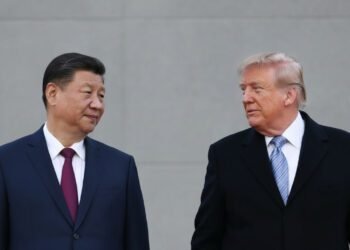
Global energy markets felt an immediate shock as oil surged past $100 following renewed conflict in crucial shipping lanes. United States President Donald Trump issued a stern warning of severe consequences after military strikes targeted critical commercial tankers in the Red Sea. As crude prices broke past the century mark for the first time in months, Trump vowed action as oil surged to prevent further disruption to international trade and stabilize skyrocketing fuel costs.
Why Oil Surges Past $100 and What Comes Next
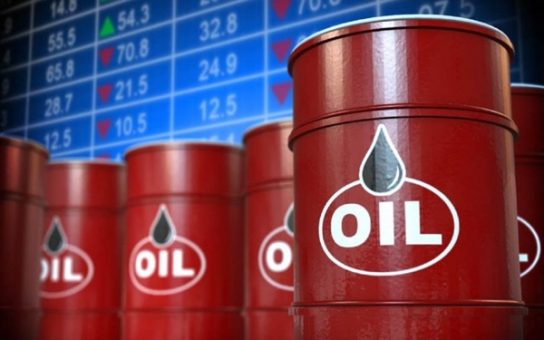
The primary driver behind this sudden spike is the threat to major maritime chokepoints like the Bab el-Mandeb Strait. When attacks hit commercial tankers carrying crude, shipping lines are forced to take longer, far more expensive routes around Africa. Insurance rates jump overnight, supply chains choke, and crude costs jump worldwide.
As oil surges past $100, governments face mounting pressure at home. Higher energy prices feed directly into everyday inflation, raising costs for everything from grocery store transport to home heating. Because Trump vows action as oil surges, traders expect potential military escorts or direct actions aimed at securing commercial sea lanes. However, any military escalation also risks driving prices even higher in the short term.
My Opinion
Watching world leaders react to sudden price spikes with aggressive military threats feels like treating a symptom instead of the actual disease. Sure, reassuring markets that shipping lanes will stay open makes sense on paper. But firing off heavy threats whenever oil surges past $100 often creates the exact panic that keeps energy prices dangerously high.
Markets hate uncertainty above everything else. Every time Trump vows action as oil surges, energy traders don’t hear “stability”; they hear “potential broader conflict.” That fear gets priced into every single barrel of crude, pushing costs up at your local gas pump long before any military action actually takes place.
A long-term solution requires diplomatic stability around critical transit routes. Until world powers focus on securing long-term peace around global trade arteries rather than trading blows, working families are going to keep footing the bill every single time oil surges on the news.
Bottom Line
The sudden market spike after oil surges past $100 jogs our memory of how fragile global energy security really is. While Trump vows action as oil surges to protect shipping channels, military solutions alone won’t calm jittery global markets. Until safe passage through crucial sea lanes is fully guaranteed, consumers everywhere will feel the sting of rising prices.