The federal government suffered a major legal setback as the DOJ dropped New York Times subpoenas following intense pressure from a Manhattan federal court. U.S. District Judge Arun Subramanian sharply questioned prosecutors over their attempt to force reporters to hand over phone records and testify before a grand jury regarding stories about the president’s plane. Faced with an impending order to throw out the demands, government lawyers backed down, marking a swift DOJ New York Times defeat in the battle over constitutional protections for journalists.
Why the DOJ Drops New York Times Subpoenas in Court
The confrontation started after reporters published stories detailing security gaps on the new presidential jet. Within forty-eight hours of publication, federal agents arrived at journalists’ homes to hand out demands for testimony and private communications. Prosecutors argued that the leak posed a national security risk and insisted the attorney general had full authority to bypass standard protections.
However, the legal argument quickly collapsed inside the courtroom. The presiding judge pointed out that targeting reporters must always be a last resort under federal guidelines, rather than an immediate first move. Government attorneys also had to admit to a series of errors, including accidentally targeting the phone records of reporters’ family members and making incorrect claims in court filings. Realizing the judge was ready to quash the orders directly from the bench, prosecutors chose to voluntarily withdraw them.
My Opinion
Seeing the DOJ drop New York Times subpoenas after getting called out in open court is a win for free speech and simple common sense. The way government lawyers handled this entire situation looked less like a rushed attempt to intimidate journalists who wrote an embarrassing story. Sending armed agents to a reporter’s house while he is at home watching a movie with his family is a complete misuse of power, and it sends a chilling message to anyone trying to do investigative journalism.
What makes this DOJ New York Times defeat so satisfying is that the court didn’t let prosecutors hide behind vague excuses. Standard rules exist for a reason. You cannot simply ignore decades of legal precedent, skip basic investigative steps, accidentally subpoena a reporter’s mother, and then expect a federal judge to wave it through just because you typed “national security” on the cover page.
The Department of Justice has immense power, but that power stops at the First Amendment. When prosecutors try to shortcut the law to expose confidential sources, it threatens the very foundation of an independent press. This court hearing served as a very public, very necessary reminder that government officials are bound by the law, no matter how frustrated they get with news coverage.
Bottom Line
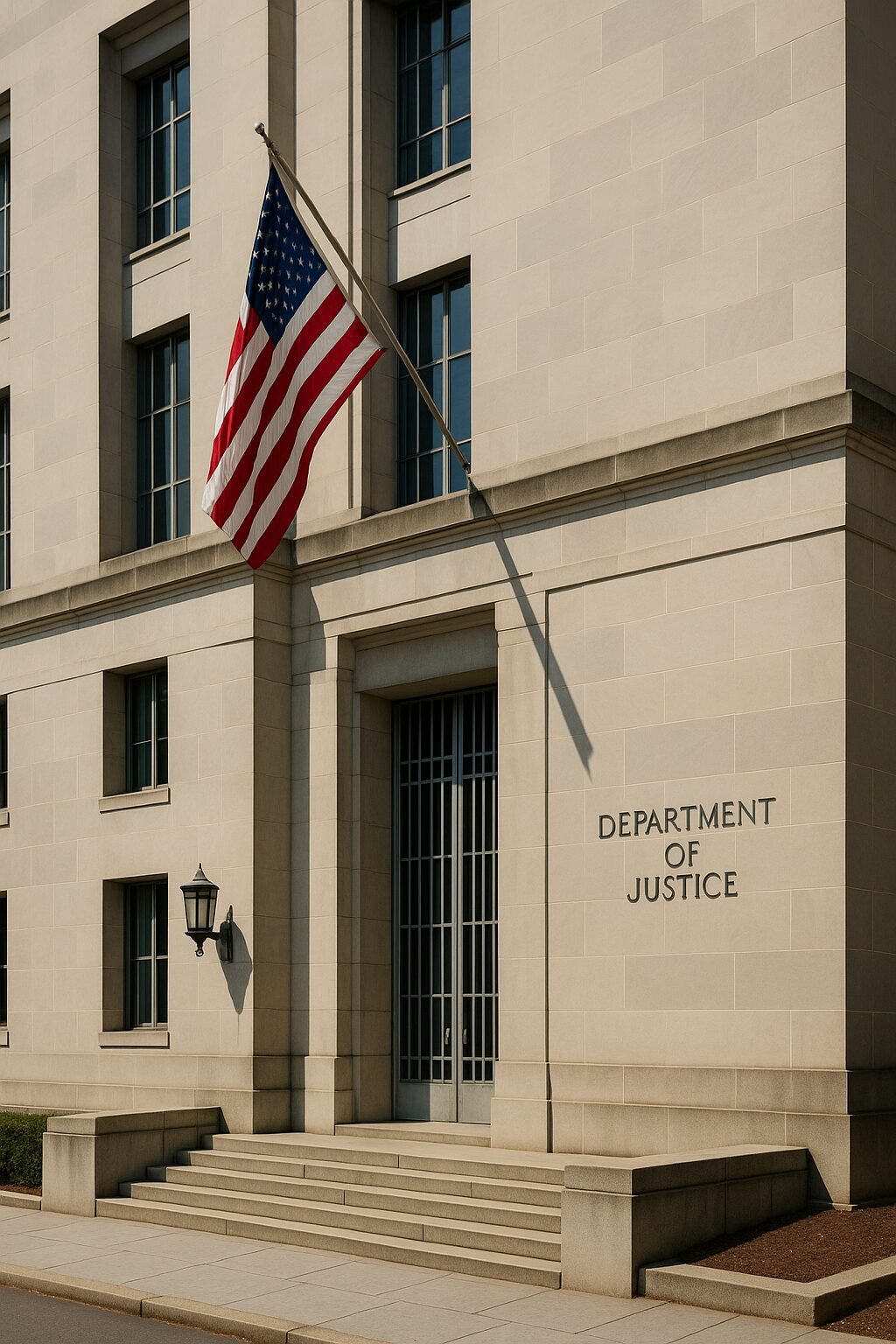
The outcome where the Justice Department drops New York Times subpoenas reinforces the vital role courts play in protecting newsgathering rights. While federal prosecutors maintain that their broader investigation into classified leaks remains active, this setback sets a clear boundary against hasty government overreach. Moving forward, the ruling stands as a strong victory for First Amendment freedoms.