Federal immigration officials are pushing ahead with an ICE detention facilities expansion to secure room for 5,500 more people across four major metropolitan regions. A public solicitation document shows that Immigration and Customs Enforcement wants to contract dedicated sites in its Seattle, Philadelphia, Miami, and Denver jurisdictions. This plan comes as the agency steps up operations nationwide, even while recent fatal shootings involving federal agents have drawn intense public scrutiny.
What the ICE Detention Facilities Expansion Involves
The new government request calls for contractor-owned or contractor-operated buildings that can quickly house male and female detainees under low to medium security levels. Facilities that can also accommodate high-security individuals are preferred.
The agency prefers existing turnkey buildings or sites that can be retrofitted quickly. Selected private vendors must provide complete management, medical services, transportation, and security guard coverage exclusively for federal custody needs.
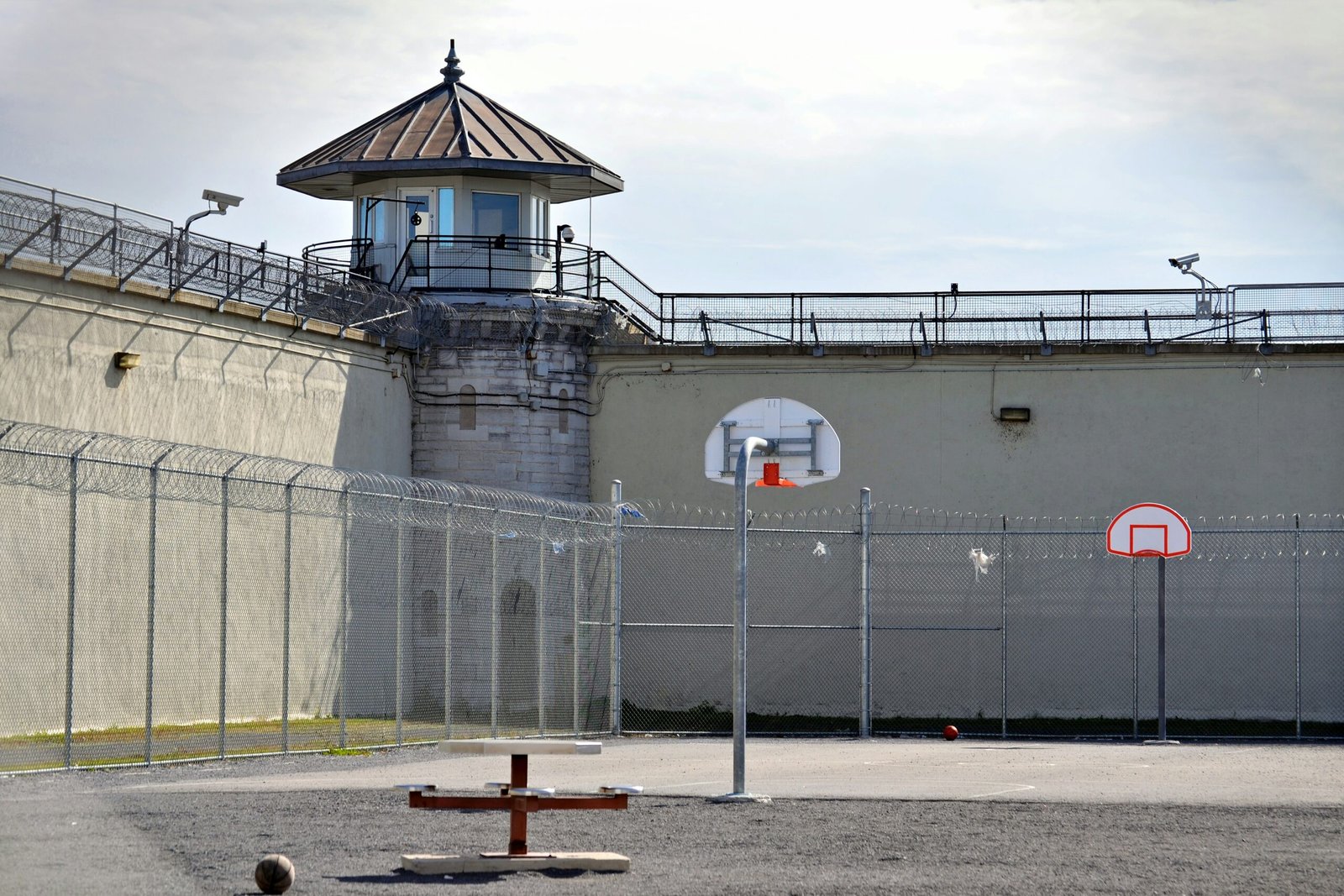
Key Drivers Behind the ICE Detention Facilities Expansion
This expansion effort reflects a legislative and financial push to scale up enforcement infrastructure.
Congress previously approved unprecedented funding for federal immigration enforcement, giving the agency significant capital to build out dedicated capacity.
Rather than relying primarily on temporary tent camps, officials are shifting toward permanent facilities, converted regional warehouses, and dedicated contractor-run complexes
Vendors winning these contracts must be ready to accept detainees within 30 days of award notice to support ongoing enforcement operations.
My Opinion
Building four massive new holding centers to lock up another 5,500 people is a short-sighted response to a complex issue. Instead of addressing the massive administrative backlogs in immigration courts or fixing broken legal pathways, federal policy keeps leaning on the easiest, most expensive option: building bigger cages.
Private prison corporations stand to profit immensely from these contracts, charging taxpayers millions of dollars every day to keep thousands of individuals in custody. At the same time, holding people in large, isolated centers often strips them of basic access to legal representation and family support.
Throwing billions of dollars into private detention contracts doesn’t fix immigration policy, it just turns human custody into a lucrative business.
If the goal is genuine legal order and public safety, dumping vast public funds into detention contracts is the wrong approach. True efficiency comes from processing claims fairly and quickly in court, not expanding an administrative detention infrastructure that creates long-term social and financial harm.