Former Director of the National Institute of Allergy and Infectious Diseases (NIAID) Dr. Anthony Fauci invoked his Fifth Amendment constitutional right against self-incrimination more than 100 times during a contentious hearing before the Senate Homeland Security and Governmental Affairs Committee. The hearing, led by Senator Rand Paul (R-KY), was called to investigate the origins of the COVID-19 pandemic and government oversight of gain-of-function research.
Fauci’s blanket refusal to answer questions marked a change in his long history of public testimony before Congress.
Escalating Clashes Between Rand Paul and Dr. Fauci
The hearing quickly devolved into a series of heated exchanges between GOP lawmakers and the former chief medical advisor. Senator Paul accused Fauci of covering up evidence regarding a potential laboratory origin for the virus in Wuhan, China, and misrepresenting NIH funding practices.
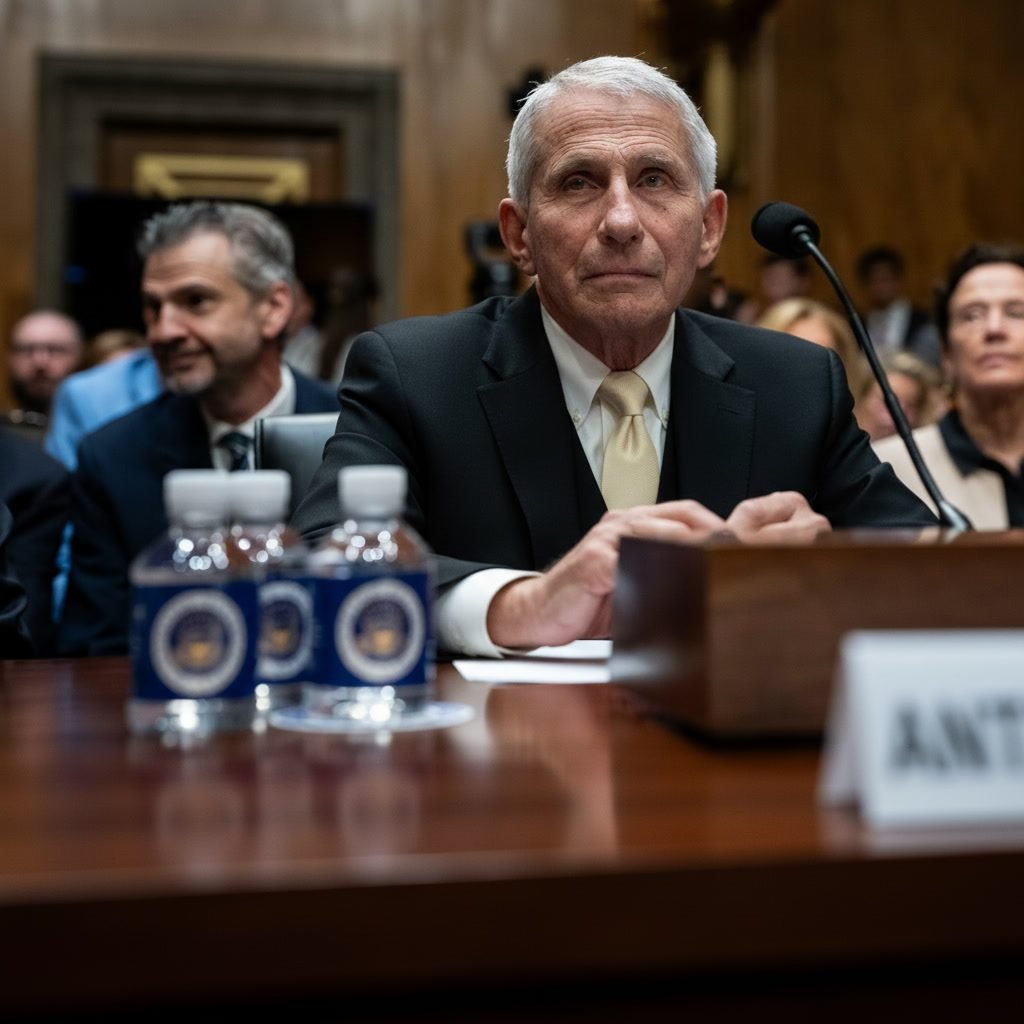
In response to repeated questioning on virus research and government lockdown recommendations, Fauci delivered a uniform statement on the advice of his legal team:
”On the advice of counsel, I respectfully decline to answer based upon my rights under the Fifth Amendment of the Constitution.”
Fauci defended his decision in an opening statement, arguing that Paul held an “obvious obsession” with prosecuting him and that testifying risked creating pretext for perjury charges, despite a blanket presidential pardon granted by former President Joe Biden.
Contempt Threats and Legal Fallout
The invocation of the Fifth Amendment sparked immediate pushback from committee Republicans. Senator Paul announced plans to hold a committee vote on whether to hold Fauci in contempt of Congress, arguing that a presidential pardon invalidates certain Fifth Amendment protections against self-incrimination. Tensions peaked when Paul ordered Capitol Police to remove one of Fauci’s attorneys from the room after the lawyer attempted to speak without committee recognition.
Democrats criticized the proceedings as a political spectacle, maintaining that scientific consensus and official agency reviews have found no evidence of intentional cover-ups.
My Opinion
The spectacle of a top public health official invoking the Fifth Amendment before Congress reveals the deep, unresolved politicization of the COVID-19 response. While every citizen possesses the constitutional right to decline self-incrimination on legal advice, applying that privilege to public service matters leaves essential questions unanswered for the American public.
True public accountability requires transparent answers regarding pandemic policies; relying on constitutional silence prevents the country from learning critical lessons for future health crises.
Congressional oversight should focus on objective fact-finding rather than partisan retaliation. When congressional hearings resemble criminal courtrooms, the opportunity to establish clear, bipartisan policies for future global health emergencies gets lost in political theater.
What Happens Next in Congress?
Senator Paul confirmed that the committee will proceed with a vote on contempt of Congress charges. If approved by the committee and the full Senate, the matter could be referred to the Department of Justice, setting up a legal test over the intersection of presidential pardons, congressional subpoenas, and Fifth Amendment protections.