A California judge has ordered autonomous vehicle giant Waymo to shut down overnight charging operations at its Santa Monica charging hubs, handing a major win to local residents who have spent over a year complaining about severe sleep deprivation.
Under the preliminary injunction issued by Los Angeles Superior Court Judge Bradley S. Phillips, Waymo cannot run its charging lots on Broadway between 11:00 PM and 6:00 AM. City officials filed a public nuisance lawsuit against the company after neighbors reported relentless backing-up beeps, whirring electric vehicle motors, bright lights, and alleyway traffic jams at all hours of the night.
Why Neighbors Took Waymo to Court
Living next to an automated fleet sounds futuristic until dozens of driverless cars start pulling in at 2:00 AM to power up. Residents living directly across from the charging lots described the environment as a constant stream of noise that destroyed any chance of a quiet night.
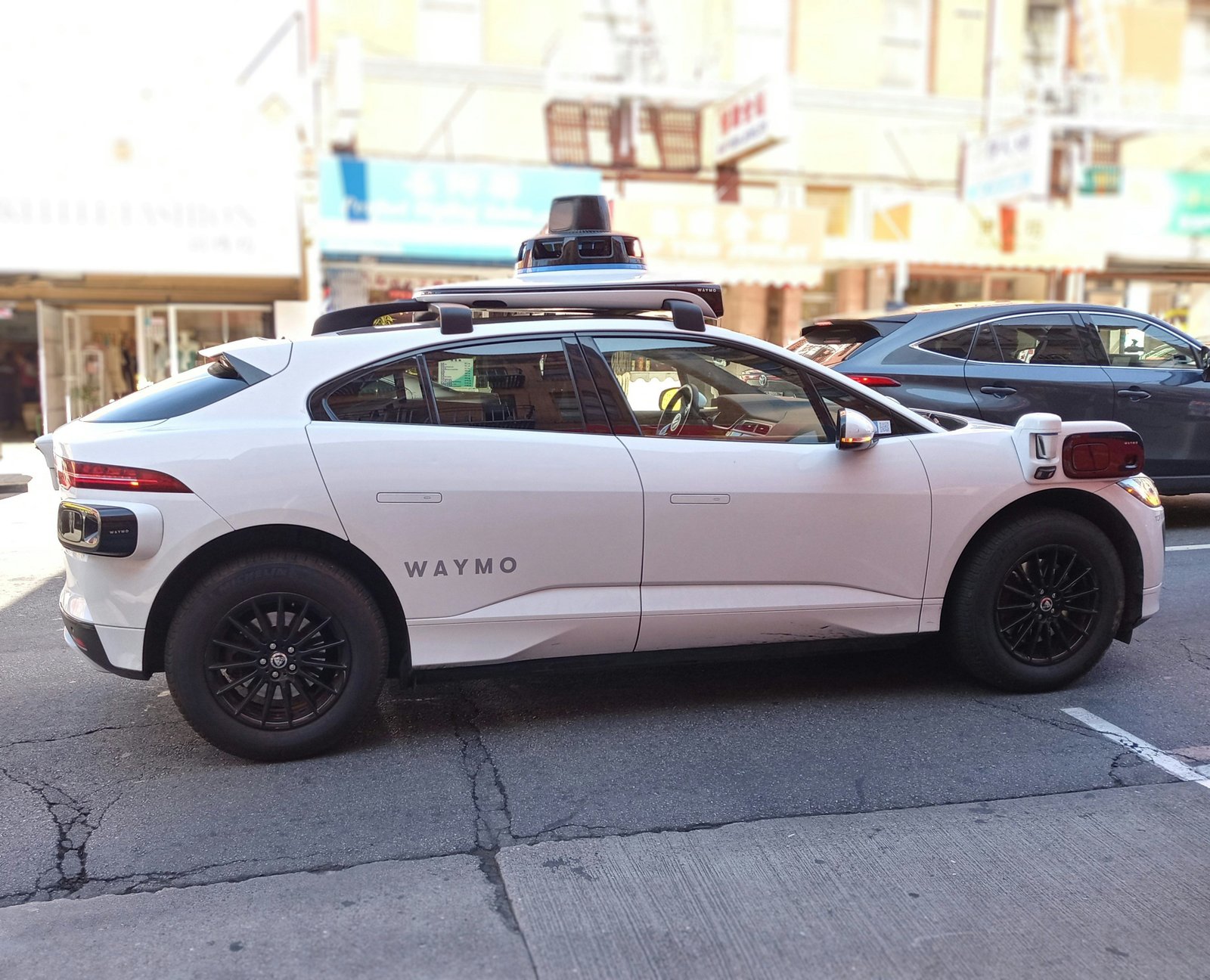
Self-driving cars back into charging spots automatically, triggering safety alarms every few minutes throughout the night. The unique acceleration and deceleration sounds made by electric vehicles created a constant buzz right outside bedroom windows. The charging hubs sit directly across from a private school and are surrounded by multi-family apartment buildings.
Santa Monica Mayor Caroline Torosis praised the judge’s ruling, stating clearly that residents’ right to sleep peacefully in their homes is non-negotiable.
My Opinion
This court order highlights a blind spot for autonomous vehicle companies: expanding fast without caring how it affects the actual people living on the ground.
It is easy to hype up self-driving technology as the future of city transport. But when a company turns a quiet residential block into a 24-hour industrial depot, that is just poor planning and disrespect for a community.
Driverless tech companies cannot expect cities to act as test tracks if basic residential peace gets thrown out the window. Waymo knew for over a year that neighbors were suffering. Instead of voluntarily moving overnight operations to industrial parks away from homes, they waited for a judge to force their hand. Tech companies need to learn that community respect isn’t optional; if you want to operate in a city, you clean up your own noise and traffic issues before a court makes you do it.
What Happens Next for Driverless Fleets
With the Waymo Santa Monica night charging ban now in effect, neighbors report an immediate drop in noise levels across Broadway. As robotaxi fleets expand across the country, city planners and judges will likely use this Santa Monica case as a template to keep commercial charging hubs out of residential zones.