New York City Mayor Zohran Mamdani has warned more than 40 online retailers to stop selling illegal high-powered electric two-wheelers falsely advertised as e-bikes or face legal action and financial penalties.
The mayor announced on Wednesday that the city’s Corporation Counsel, Steve Banks, had issued cease-and-desist letters to 42 online retailers, directing them to halt sales of motorised devices that exceed New York City’s legal limits for e-bikes and e-scooters.
The order affects retailers selling to customers across the city’s 175 ZIP codes and gives them until August 18 to comply or risk fines of up to $2,000 for each violation.
Among the companies that received the notice are major retailers such as Amazon, Best Buy and Target, alongside electric mobility firms including Deepower, Segway and Wilson’s.
City officials said the action is aimed at reducing the number of dangerous high-powered electric vehicles on New York streets following several fatal crashes involving the devices.
Speaking at a City Hall press conference, Mamdani said retailers—not consumers—should bear responsibility for ensuring illegal vehicles are not sold.
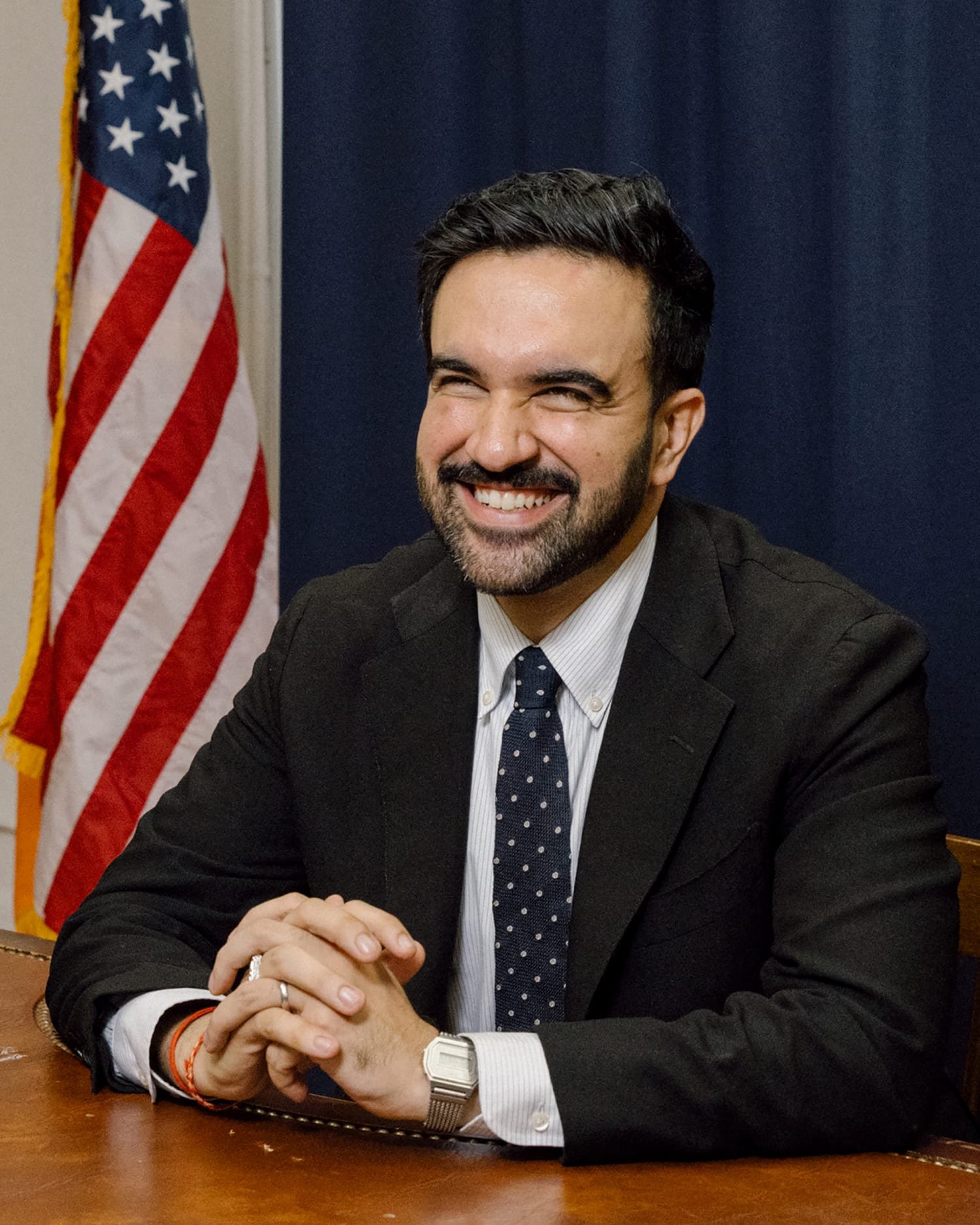
“We’re going to go after those websites and retailers that are willfully selling illegal vehicles to New Yorkers,” he said.
“It should not have to be up to each New Yorker to know every single line of New York City law. We know the law very clearly. These retailers know the law very clearly, and if they don’t, they have two weeks to learn it before we start to hold them accountable.”
The mayor added that the retailers had also been instructed to meet with representatives of the New York Police Department, the Department of Transportation and the city’s Law Department to address the issue.
Corporation Counsel Steve Banks said companies that ignore the directive could face court action in addition to financial penalties.
“If we get to the deadline and everybody complies, that is a great result,” Banks said.
“If people want to not follow up and comply, we’ll take legal action. That could include fines. That could include bringing litigation to stop the advertisements that are resulting in people purchasing things they think are legal.”
Mamdani said the crackdown was prompted by the recent death of 17-year-old Gabriel Nacato, who was killed in Lower Manhattan after crashing an electric motorcycle marketed online as an e-bike.
According to city officials, the Deepower QS7 ridden by the teenager weighs about 100 pounds, reaches speeds of up to 30 mph and has a 1,500-watt motor—well above New York City’s legal e-bike limits of 25 mph and 750 watts.
Transportation Commissioner Mike Flynn said many of the vehicles being marketed online do not meet the legal definition of an e-bike.
“They’re heavier and faster than e-bikes and more difficult to control,” he said, describing them as “motorcycles being marketed to New Yorkers as bicycles.”
Officials also referenced another fatal collision earlier this year on the Queensboro Bridge involving an illegal high-speed electric scooter capable of travelling at 53 mph.
Mamdani stressed that the issue goes far beyond minor speed violations.
“We’re talking about vehicles that can go sometimes more than double the legal limit of the speed. It’s not one or two miles over,” he said.
According to the city’s Department of Transportation, illegal high-powered devices have been involved in most fatal e-bike and e-scooter crashes recorded in recent years.
Transportation Alternatives, a road safety advocacy group, welcomed the city’s action, accusing online retailers of misleading consumers.
Executive Director Ben Furnas said, “Online retailers have been preying on unwitting customers. It is cruel and unacceptable to sell dangerous, illegal high-speed electric motorcycles or scooters to New Yorkers who think they’re buying something legal.”
“As we’ve seen as recently as last week, this shady business practice has had deadly results. It has to end,” he added.
The enforcement move comes as the New York City Council considers fresh legislation aimed at tightening regulations on electric bikes, including proposals to ban certain high-speed models and introduce stricter rules for app-based delivery services that rely on e-bike riders.