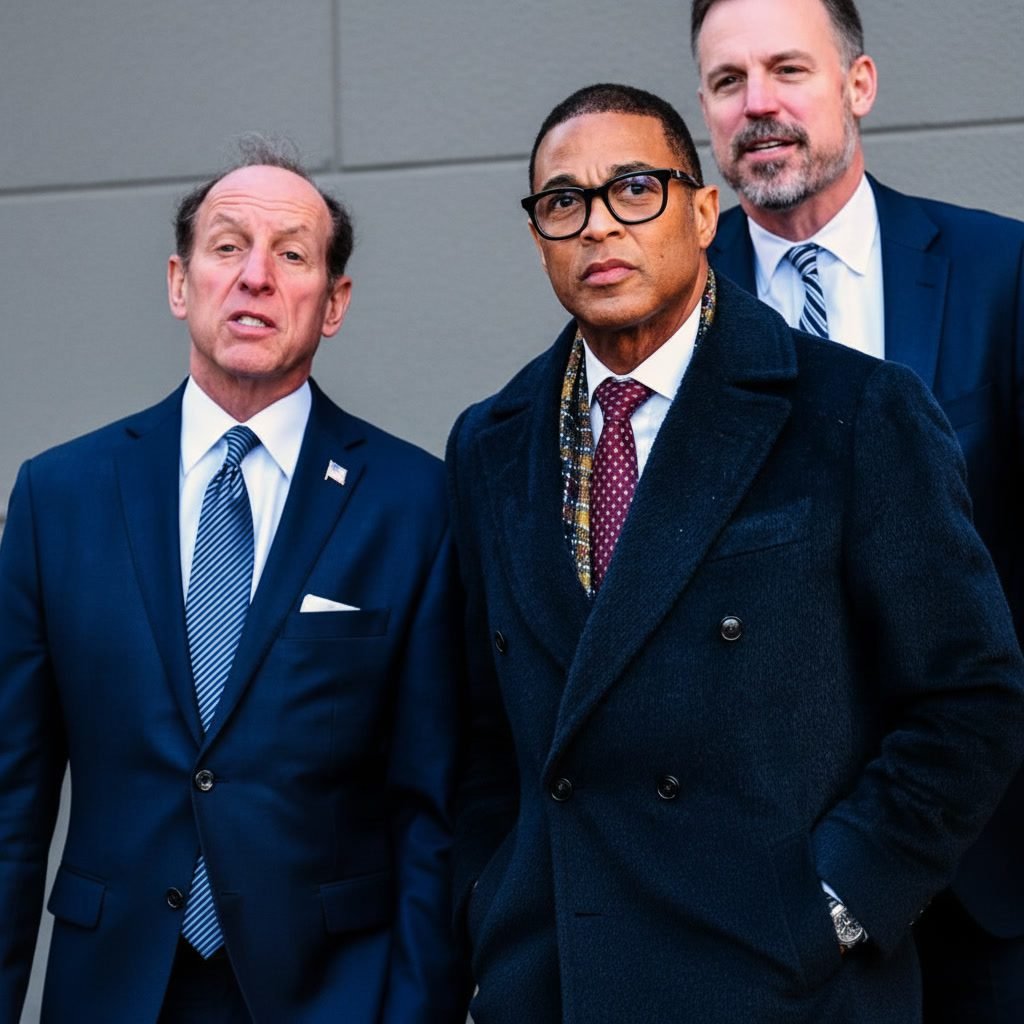
Journalist Don Lemon filed multiple motions on Friday claiming vindictive prosecution by the Justice Department following his indictment over covering an anti-ICE church protest in Minnesota. Legal counsel for the former CNN anchor asked a federal judge to toss out all civil rights charges, arguing that President Donald Trump and senior administration officials targeted him personally to punish his First Amendment-protected reporting on Operation Metro Surge.
In the 24-page court filing, Lemon’s attorneys detailed a long record of public political animosity from the White House and high-ranking Justice Department officials. The motion argues that federal prosecutors weaponized the Freedom of Access to Clinic Entrances (FACE) Act to retaliate against an independent journalist for broadcasting a matter of intense public concern.
Federal prosecutors initially failed to secure an arrest warrant when a magistrate judge found no probable cause of criminal conduct. Instead of coordinating a standard voluntary surrender, federal agents deployed to a Los Angeles hotel where Lemon was covering an entertainment event to execute a midnight arrest. Immediately following the arrest, official White House accounts posted a picture mocking Lemon, further supporting claims of Don Lemon vindictive prosecution.
First Amendment Protections for Journalists
Beyond claims of Don Lemon vindictive prosecution, the defense filed separate motions asserting that journalists cannot be held criminally liable for recording crimes committed by others. From war correspondents embedded with troops to reporters covering civil unrest, American media law has consistently protected journalists’ right to document controversial events.
Defense lawyers noted that sworn affidavits filed by federal agents contained false claims that Lemon joined in chants and physically blocked parishioners. Video evidence from Lemon’s live stream demonstrates he was acting solely as a reporter, interviewing both protest organizers and church leaders.
My Opinion
Prosecuting journalists under criminal civil rights statutes for simply recording a protest sets a terrifying precedent for news gathering in America. The FACE Act was passed by Congress to prevent violent blockades and physical threats at places of worship and healthcare clinics; it was never meant to be used as a club against reporters carrying cameras.
If a journalist can be indicted for conspiracy simply because they film protesters entering a public building, no field reporter in the country is safe. Journalists routinely document unlawful acts, from highway blockades to political break-ins, without becoming criminal co-conspirators. The government’s claim that holding a microphone near a protest equals a criminal conspiracy destroys the vital legal distinction between witnessing an event and participating in it.
When you look at the procedural history of this case, a magistrate judge throwing out the initial complaint, prosecutors searching for alternative grand juries, and an aggressive midnight arrest designed for social media optics, it looks far more like political retaliation than genuine law enforcement. Tossing this case out is not just about protecting one high-profile broadcaster; it is about preserving the fundamental constitutional right of every journalist to report the news without fear of targeted federal prosecution.
Conclusion
The court’s decision on Don Lemon’s vindictive prosecution motions will draw a clear line between legitimate criminal enforcement and the political intimidation of independent media. If the federal judge allows these charges to stand, it could reshape how reporters cover civil dissent and political protests across the nation.