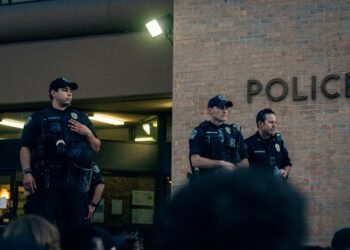
Customs and Border Protection is speaking out to defend the CBP Big Bend barrier project after local business owners, conservation groups, and Texas lawmakers raised major concerns about bulldozers clearing ground inside Big Bend National Park. In an official statement, CBP Commissioner Rodney Scott clarified that the agency is placing low-profile vehicle barriers and paving new access roads, rather than building a massive 30-foot steel wall or installing high-powered stadium lights through the wilderness. Agency officials maintain that the construction footprint will remain limited to strategic areas, but local communities worry the heavy machinery will permanently scar one of the most untouched national parks in the country.
Center for Biological D
Why Officials Are Defending the CBP Big Bend Barrier Project
Border Patrol leaders say the CBP Big Bend barrier project is necessary to prevent transnational drug cartels from using the remote desert terrain as a transit route into Texas. To address growing criticism from residents and park advocates, agency leaders outlined specific details about what is actually being installed:
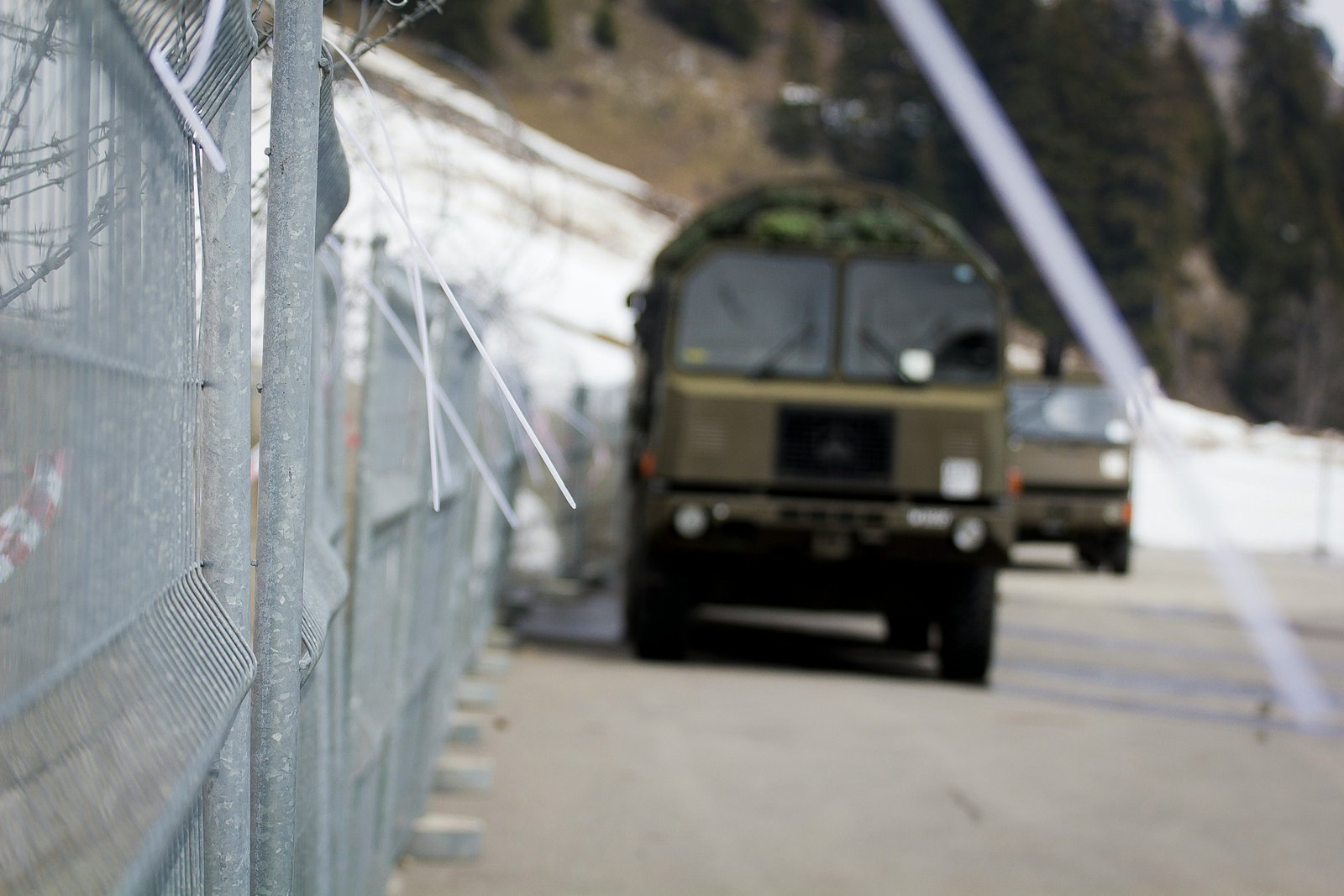
1. Limited Vehicle Barriers: Rather than continuous bollard fencing, the plan calls for short steel post-and-rail barriers designed solely to block vehicles while keeping wildlife movement open.
2. New Access Roads and Tech: Contractors are improving about 205 miles of dirt roads and deploying ground sensors and cameras so agents can detect unauthorized activity faster.
3. Current Survey Operations: CBP states that heavy equipment spotted inside the park is currently carrying out soil testing and road prep rather than full wall construction.
My Opinion:
Carving heavy roads and driving heavy machinery through Big Bend National Park is a terrible idea that sacrifices America’s natural heritage for a problem that barely exists in this region.
Center for Biological Diversity. Big Bend is famous for its towering canyon walls, sweeping desert vistas, and pristine stretches along the Rio Grande. The natural landscape itself, massive rock faces and steep mountain ranges, already acts as a formidable natural barrier. Border Patrol records themselves show that Big Bend accounts for less than one percent of total illegal border crossings nationwide. Dragging bulldozers into undisturbed desert land to build miles of 24-foot-wide roads and metal vehicle gates just does not match the actual reality on the ground.
Calling these installations “limited” does not change the physical damage being done. Paving access roads through fragile habitats uproots native mesquite and palo verde trees while disrupting river outfitters, local tour guides, and small towns that depend heavily on park tourism. Waiving dozens of environmental protection laws to fast-track earth-moving equipment inside a national park sets a dangerous precedent. Once desert topsoil and ancient rock formations are blasted away or flattened, no amount of cleanup will ever restore that wilderness to what it was. Smart security technology makes sense, but turning a prized national park into a construction zone is completely unnecessary.
Bottom Line
The fierce debate over the CBP Big Bend barrier project highlights the ongoing battle between federal border strategy and public land conservation. Even with official assurances that high steel walls are off the table, local leaders and conservationists are pressing the federal government to pause all earthwork until local communities have a seat at the table. However U.S balances public park protection against border infrastructure will set the standard for America’s wild spaces for years to come.