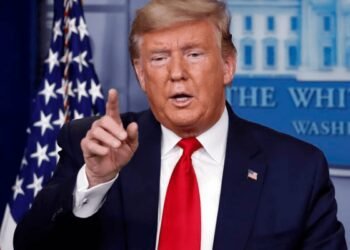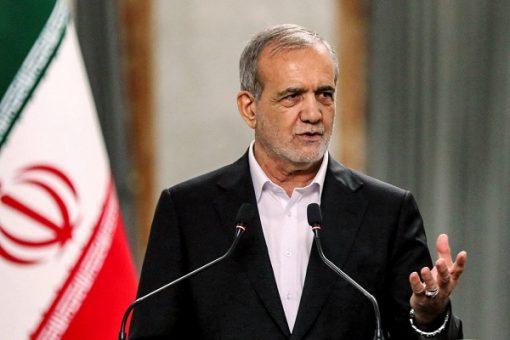

Iran claims victory in its nearly six-month conflict with the United States, leaving millions wondering if Donald Trump lost a war he promised to settle quickly. Iranian President Masoud Pezeshkian declared this week that the international community now recognizes Iran’s upper hand, pointing to the shift in the U.S’s strategy toward economic sanctions instead of direct military strikes. As crude oil prices soar and global shipping remains paralyzed at the Strait of Hormuz, the White House finds itself locked in an agonizing problem with no clear exit plan.
How the Trump Iran War Reached a Deadlock
The military campaign began in late February 2026 with high expectations from Washington. The U.S. Navy conducted over 1,450 strikes against Iranian missile sites, naval yards, and industrial hubs, claiming to have wiped out 85 percent of Tehran’s ballistic capability. Yet, six months into the Trump Iran war, the Islamic Republic has neither surrendered nor stopped launching retaliatory drone strikes against regional oil assets and foreign military posts.
Instead of backing down, Tehran effectively choked off the Strait of Hormuz, the narrow waterway through which 20 percent of world petroleum travels. Shipping traffic through the corridor plummeted by 96 percent. By utilizing cheap drones, mobile anti-ship missiles, and political influence over local allies, Iran turned a big asymmetry in military power into an economic headache for the U.S and its partners.
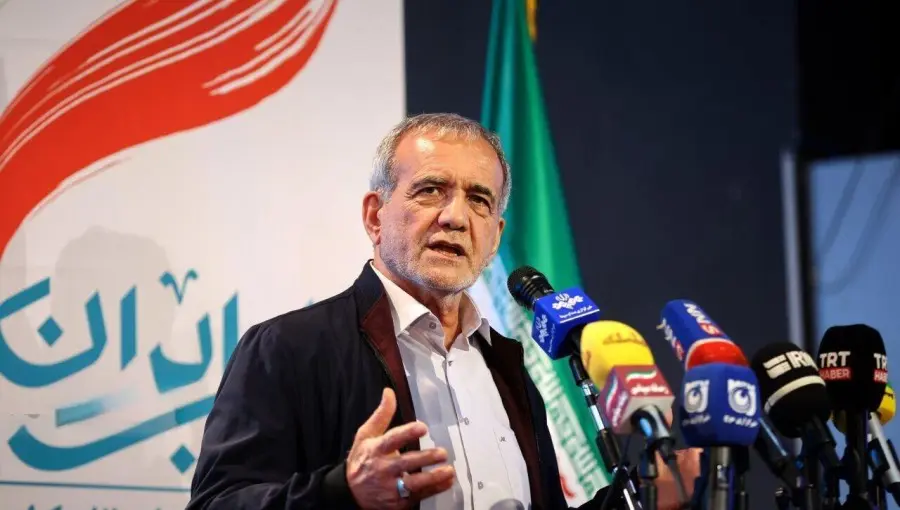
Economic Warfare and the Strait of Hormuz Stalemate
Recognizing that military strikes failed to force a surrender, the Trump administration announced a pivot toward total financial isolation, promising an “economic D-Day” meant to break the Iranian economy. Vice President JD Vance confirmed the shift, stating the conflict had entered a “new phase” where crippling sanctions would serve as the main tool of pressure.
However, Tehran scoffed at the strategy. Iranian Foreign Minister Abbas Araghchi pointed out that American sanctions campaigns in 2012 and 2018 failed to bring down the regime. With local markets stocked and back-channel trade thriving through places like Dubai, Iran continues to hold out, gambling that global inflation and rising gas prices will wear down American political resolve first.
My Opinion: Trump Started a Fire He Couldn’t Put Out
As Iran claims victory, the political reality in the U.S is impossible to ignore. Donald Trump walked into this Middle East conflict promising swift, decisive force that would force Iran to its knees in record time. Instead, he got dragged into a trap.
Launching a war without a clear finish line is bad enough; launching one against a country that has spent forty years mastering the art of surviving sanctions and fighting proxy wars is outright foolish. Trump underestimated Iran’s willingness to absorb punishment and leverage global energy markets to retaliate. Iran did not need to defeat the U.S. Navy in an open-ocean battle, it simply needed to make passing through the Strait of Hormuz too dangerous for commercial tankers, hitting Western consumers right in their wallets.
Now, after months of high-intensity airstrikes failed to achieve “unconditional surrender,” the administration is retreating behind statements about “economic warfare” and “unprecedented isolation.” Calling sanctions an “economic D-Day” isn’t a show of strength; it’s a quiet admission that the military option ran out of gas. You cannot drop bombs for half a year, watch energy markets destabilize worldwide, and then claim switching back to economic pressure was the master plan all along. Trump started a war he couldn’t finish, and now the entire world economy is paying the tab.