A proposal by the United States government to lease millions of hectares of seabed near the Mariana Trench for deep-sea exploration has triggered opposition from US territories in the Pacific.
The plan comes as the administration of President Donald Trump seeks to strengthen America’s access to critical minerals amid growing competition with China for resources considered important to batteries, electronics and defence technology.
On Tuesday, the Marine Mineral Administration (MMA), an agency within the US Department of the Interior, announced plans to auction leases covering about 28 million hectares (69 million acres) of seafloor around Guam and the Northern Mariana Islands.
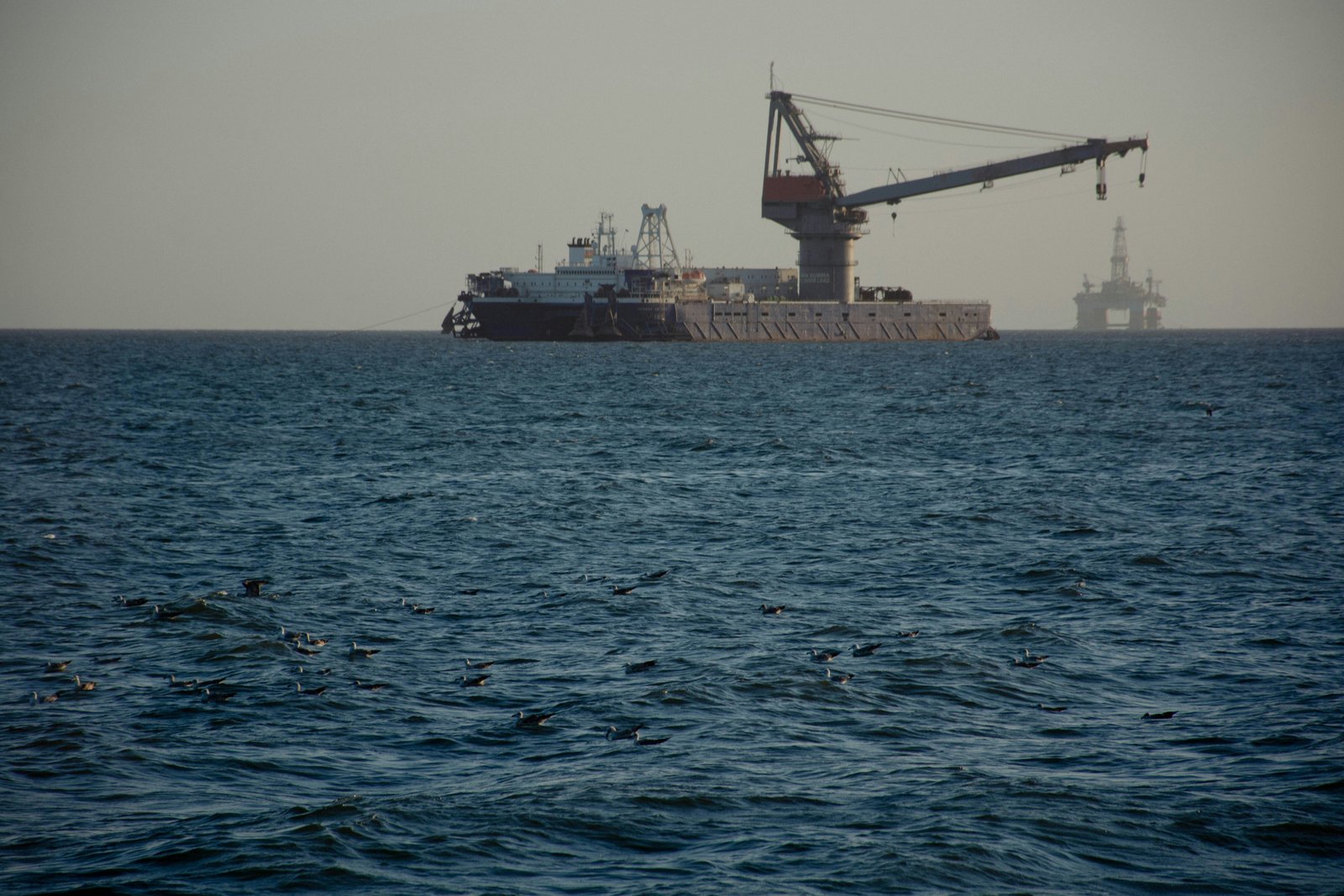
The proposed leases would allow companies to survey the seabed and potentially extract polymetallic nodules, mineral-rich deposits containing resources considered strategically important.
However, environmental organisations have raised concerns over the possible impact of deep-sea mining on marine ecosystems, arguing that more scientific research is needed before commercial extraction begins.
The Northern Mariana Islands, a self-governing US commonwealth, has also expressed reservations about the proposal.
Governor David Apatang said his administration would approach the plan “with extreme caution”, acknowledging the importance of critical minerals while insisting that environmental protections must come first.
He said “no activity, survey or otherwise, takes place without rigorous scientific baseline studies, complete transparency, and explicit protections for our marine resources”.
Apatang added that his government would “thoroughly examine the proposed terms over the next 60 days to ensure that the ecological integrity of our waters and the long-term wellbeing of the [Northern Marianas] are fully safeguarded”.
The MMA said it had completed an environmental review of the proposed commercial leases and would consider comments submitted by the governor.
Guam has taken an even stronger position against the plan. While acknowledging the federal government’s national security concerns, the governor’s office said protecting strategic interests should not come at the expense of the Pacific environment.
“National security cannot mean asking the people of the Pacific to accept environmental risks before those risks are fully understood,” the office said.
Guam’s Lieutenant Governor Joshua Tenorio was more direct, saying: “We’re unequivocally opposed to the deep sea mining efforts in this region.”
Speaking to the Guardian, Tenorio questioned assurances that mining would not immediately begin after the licences were issued.
“The department of interior is giving assurances that mining activity is not going to commence with the awarding of these licences, [but] I think that this is a matter where we can’t really trust that because this has been rapidly evolving,” he said.
The proposed Marianas leasing programme follows a separate process involving 12.4 million hectares (31 million acres) of seabed around American Samoa, with contracts expected to be awarded in November.
American Samoa Governor Nikolau Pula has maintained his opposition to deep-sea mining, warning that untested extraction methods could damage the territory’s tuna industry, a major pillar of its economy.
Environmental groups in American Samoa and Hawaii have also taken legal action against the US government, seeking to stop the proposed seabed permit auction.
In court filings, Fa’asao Ameika Samoa and the Conservation Council for Hawaii argued that federal authorities had failed to adequately assess the potential environmental consequences of seabed mineral extraction.
The groups warned that mining equipment “can destroy nearly all life in its path” and “stirs up sediments that can introduce toxic substances into the food web and smother seafloor ecosystems”.
The complaint further stated: “Even just exploring for seabed minerals introduces extremely loud noise into the marine environment that can harm marine mammals and other wildlife.”
The MMA has been approached for a response to the concerns surrounding the American Samoa leasing programme.