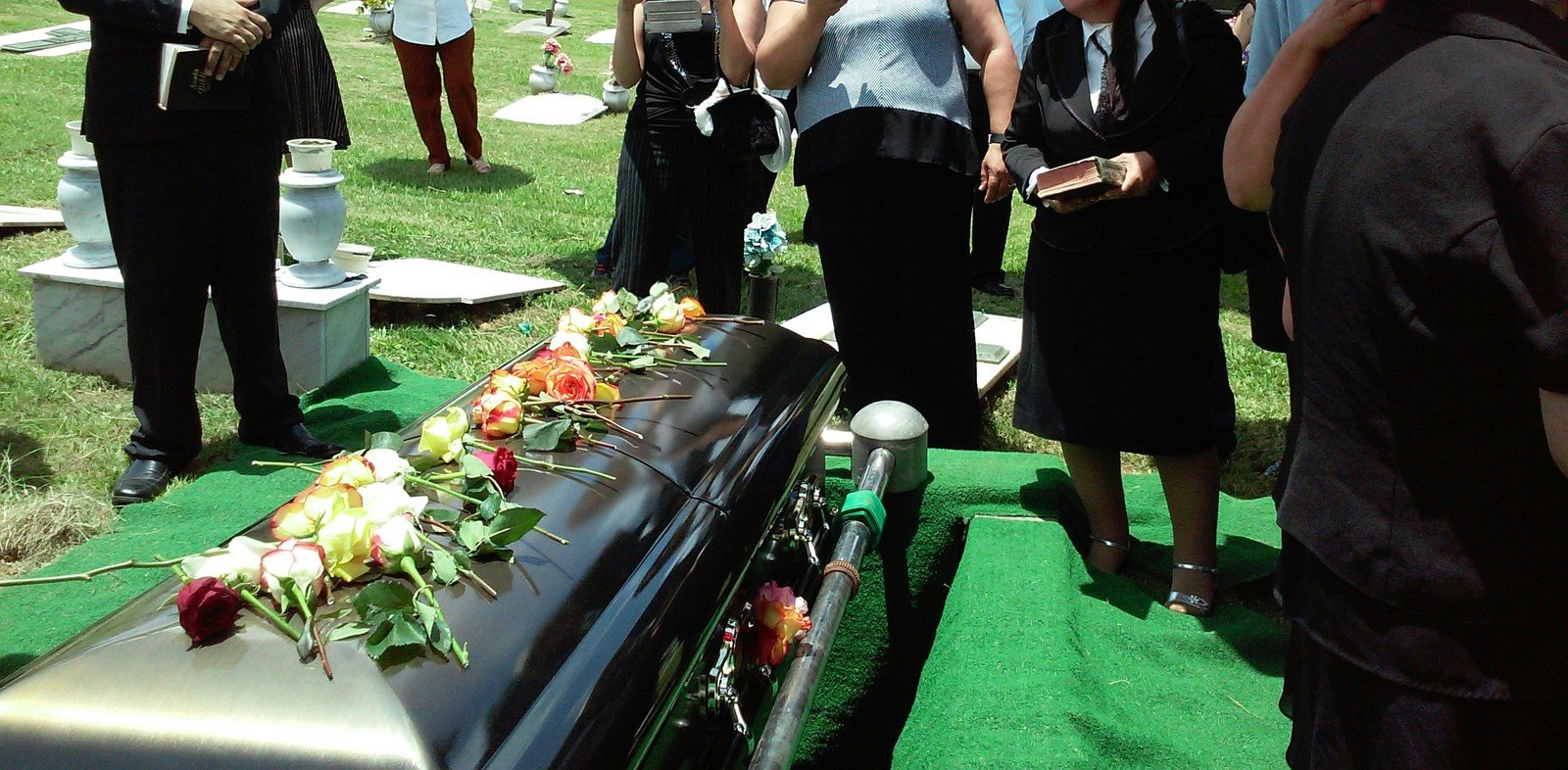

Surging end-of-life expenses mean the rising cost of dying is forcing millions of grieving families to rethink standard burial choices across the United States. A standard traditional funeral now costs well over $10,000, leaving everyday households unable to afford simple, respectful send-offs for their loved ones. From financing final expenses on credit cards to ordering urns online, grieving relatives must balance deep personal loss with financial survival.
How Families Cope With the Rising Cost of Dying
The pressure behind the rising cost of dying has completely changed how Americans manage final arrangements. Many families who traditionally preferred ground burials are turning to lower-cost options like cremation out of pure financial necessity. People now use specialized financing tools, rent caskets for basic memorial services, and buy budget urns from retail sites like Amazon. For daughters like Lanasia Robinson, whose mother never wanted cremation, spending $10,000 or more on a traditional grave site is simply impossible, forcing families to make hard compromises during moments of grief.

Economic Drivers Behind End-of-Life Expenses
Severe inflation across the funeral industry directly drives the rising cost of dying. Funeral homes face higher operational bills, real estate prices for cemetery space continue to skyrocket, and basic manufacturing materials for caskets cost far more today than a few years ago. Because wages have failed to keep up with these expenses, standard end-of-life care has turned into an unexpected debt trap. The sudden loss of a family member frequently leaves surviving relatives with thousands of dollars in high-interest credit card debt.
Opinion
Losing a family member is one of the most painful experiences a person ever goes through. It is a moment when people feel completely vulnerable and emotionally drained. Forcing grieving families to make huge financial choices while processing deep sorrow is unfair and deeply broken.
The funeral industry has operated without real price transparency for far too long. When a family walks into a funeral home, they are often shown limited, expensive packages without a clear breakdown of basic expenses. This setup pressures people into spending money they simply do not have, purely out of guilt or fear of not honoring their loved one properly. Nobody should have to take on high-interest credit card debt or sacrifice a family member’s explicit final wishes just to cover basic funeral services.
Fixing this problem starts with strict price disclosure rules. Funeral providers should be required to display itemized costs clearly online and upfront, just like any other essential service. Establishing public assistance funds for end-of-life expenses would also give working families a fair safety net. Final arrangements should be about honoring life and offering comfort, not worrying about financial ruin.
Bottom Line
Addressing the rising cost of dying requires straightforward economic reforms and better public protection for consumers. Federal consumer oversight agencies must enforce total price transparency across all funeral providers so families can compare costs without hidden fees. Expanding bereavement support benefits and creating community-based assistance grants can help prevent families from falling into financial ruin. Without structural changes, dignity at the end of life will remain out of reach for working-class households.