Construction at the White House contributed to a safety incident involving President Donald Trump’s Marine One helicopter and a passenger jet near Ronald Reagan Washington National Airport on August 4, according to a preliminary report from the National Transportation Safety Board.
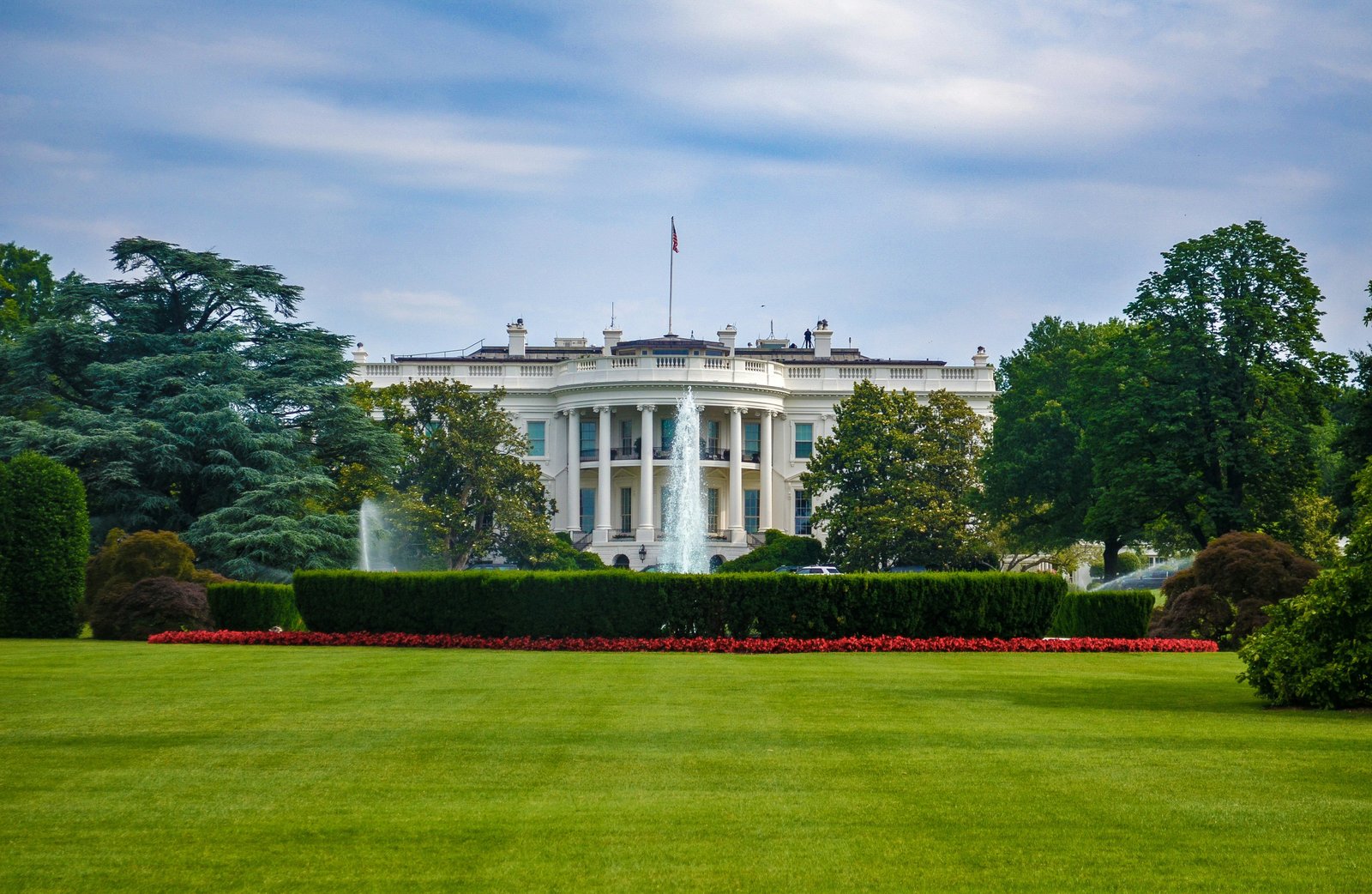
The incident occurred after Marine One was forced to operate from a temporary takeoff location at the Ellipse due to ongoing construction of a new helipad at the White House. The NTSB found that the temporary location lacked adequate line-of-sight for radio communications between the helicopter and air traffic controllers.
The Radio Failure
Marine One pilots are required to give air traffic controllers a three-minute warning before takeoff to clear commercial airspace. According to the NTSB report, the first radio transmission from Marine One was never received by the tower, and a second attempt was “broken and completely unreadable”.
Air traffic controllers and Marine One pilots had discussed similar communication problems a week earlier and agreed to use a backup relay system. That backup also failed on August 4.
The Near-Miss
Because controllers did not receive the warning, they cleared an Envoy Air passenger jet for takeoff while Marine One was also preparing to depart. The NTSB estimated the two aircraft came within 0.82 miles horizontally and 700 feet vertically — below the required minimum separation of 1.5 miles and 500 feet.
The Envoy crew received a collision-avoidance alert but did not see the helicopter. Marine One pilots spotted the jet and paused their departure until it safely cleared the area.
The Response
The Federal Aviation Administration has since moved a radio receiver to the top of the Reagan National Airport tower to improve communications. Officials have stressed that President Trump was never in danger.
The incident drew additional scrutiny because of the January 2025 mid-air collision near Reagan National Airport that killed 67 people.
The Bottom Line
The NTSB has found that White House construction contributed to a Marine One near-miss with a passenger jet on August 4. The temporary takeoff location at the Ellipse caused radio communication failures, preventing air traffic controllers from receiving the required three-minute warning. The FAA has since moved a radio receiver to improve communications. Officials say President Trump was never in danger.