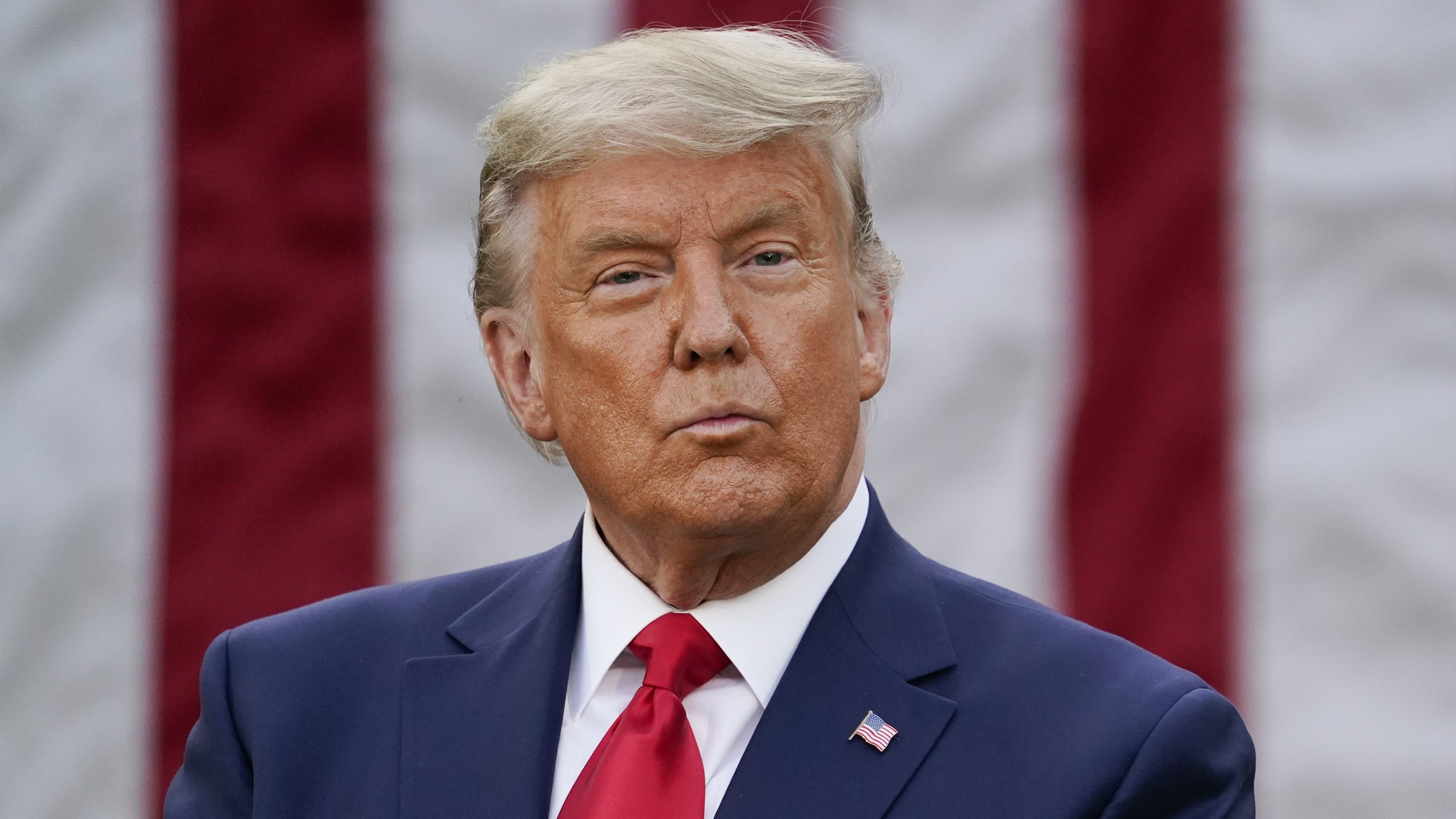

U.S. District Judge Alvin Hellerstein rejected Donald Trump’s latest attempt to move his New York criminal conviction into federal court. The decision blocks Trump’s effort to move the Trump hush money federal court dispute out of state jurisdiction. Trump sought the change after the Supreme Court’s major decision on presidential immunity, but the judge ruled that paying to cover up personal affairs is a private act, not an official duty of the president.
Why the Judge Denied the Shift to Federal Court
Judge Hellerstein made it clear that handling personal payoffs has nothing to do with running the country. The ruling pointed out that discussing hush money or reimbursing a personal lawyer are private actions.
The court explained that expanding presidential immunity to cover personal cover-ups would stretch the law too far. In addition, the judge noted that Trump waited too long to file this specific request in federal court after choosing to pursue state appeals first.

How Presidential Immunity Ruling Impacts the Conviction
Trump’s legal team argued that the Supreme Court’s presidential immunity ruling should erase his 34 felony counts of falsifying business records. They claimed prosecutors improperly used testimony from White House staff during the state trial.
However, the federal judge rejected that argument. He noted that White House aides are allowed to assist a president with non-official, personal matters, and that doing so does not shield private conduct from criminal law.
What Comes Next for the New York State Criminal Conviction
Because the federal court declined to take over the case, Trump’s fight against his New York state criminal conviction will remain in the state court system.
Trump’s legal team has already confirmed plans to appeal this federal decision. Meanwhile, his broader appeal against the 34 counts of falsifying business records continues through New York state appellate courts, with his lawyers eventually aiming to push the case to the U.S. Supreme Court.
My Opinion
This court decision shows us a critical line in American law: serving as president does not turn every personal decision into an official government action.
Trying to claim that reimbursing a personal lawyer for a pre-election cover-up qualifies as an official duty is a huge legal stretch. If personal actions taken before or during a presidency were automatically protected by immunity, it would make it almost impossible to hold any leader accountable for private misconduct.
It makes complete sense that the federal judge stood firm on this point. The office of the presidency comes with broad power, but that power is meant for running the country, not for managing personal publicity or private business payments.
Relying on state appellate courts is the proper legal path here. Allowing public officials to shield purely private choices under the label of “official duties” would create a dangerous precedent for future administrations.
Bottom Line
This ruling leaves Trump’s state conviction intact while his team prepares another round of appeals. While his lawyers continue pushing to reach higher courts, the core boundary remains unchanged: personal choices are separate from official presidential duties. As appellate courts review the case, keeping clear limits on presidential immunity will remain central to the ongoing legal debate.