The warning signs are clear for millions of everyday families: rising inflation proves America is broke as household budgets stretch to their breaking points. Federal Reserve Chair Kevin Warsh delivered a stark warning at the annual Jackson Hole economic symposium, warning that inflation remains far too high and that interest rate hikes may soon be necessary. With persistent price hikes on daily necessities like food, housing, and fuel, the average family’s paycheck buys less every month.
Federal Reserve Signals Rate Hikes
Speaking in Wyoming, the newly appointed central bank leader acknowledged that while recent economic reports showed slight temporary cooling, underlying price pressures have not meaningfully improved. The Federal Reserve’s target inflation rate remains set at 2%, but actual living costs continue to hover well above that mark.
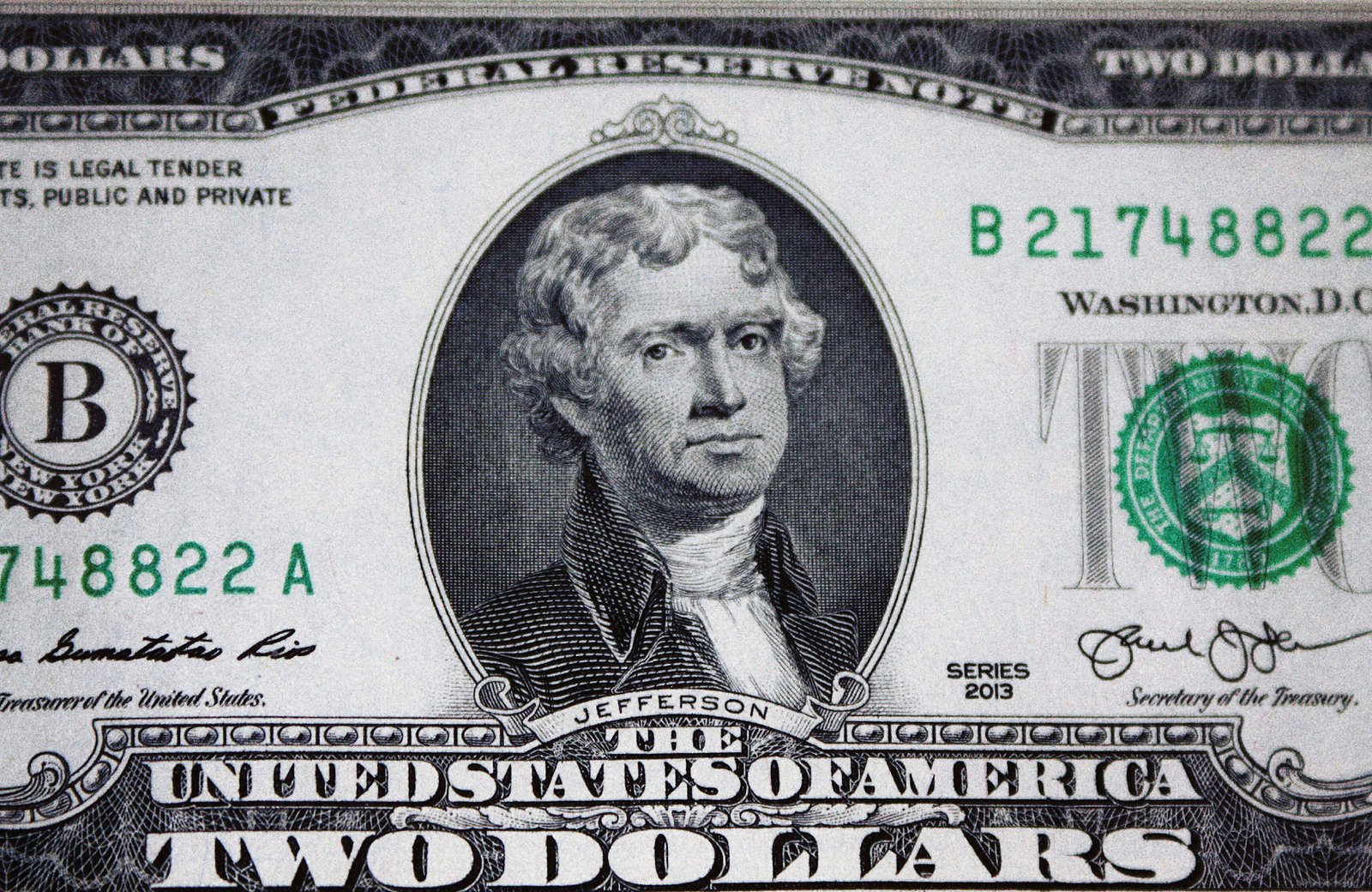
When central banks raise interest rates, borrowing becomes significantly more expensive for everyone. That means higher rates on credit cards, car loans, and home mortgages. Investors responded quickly to the speech, pushing Treasury yields up as financial markets began pricing in higher interest rates before the end of the year.
Economic Strain Grows Under Trump Administration Policies
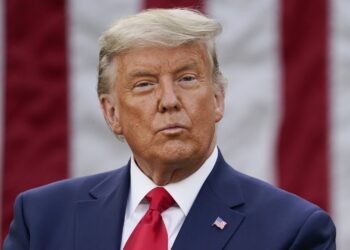
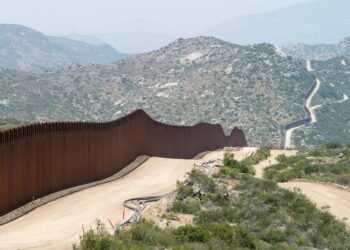
Much of the political blame for the current financial squeeze is landing squarely on President Donald Trump’s administration. Aggressive trade tariffs, fluctuating foreign policy decisions, and mounting national debt have created severe volatility across supply chains.
Critics argue that current White House policies have directly fueled domestic price hikes. Expanding government borrowing while imposing hefty import tariffs has driven up the cost of imported raw materials and finished goods. While the White House has publicly pushed the central bank to slash interest rates to boost short-term market numbers, economic experts warn that lowering rates too quickly would ignite even faster price increases.
Why Everyday Families Feel the Squeeze
For middle-class households, persistent inflation acts like an invisible tax. Wages simply have not kept pace with the rising costs of housing, medical care, utilities, and groceries.
When the government spends trillions of dollars while foreign debt continues to mount, the purchasing power of the dollar drops. Families are forced to burn through personal savings or rely heavily on high-interest credit cards just to maintain basic living standards, leaving domestic consumer confidence at historic lows.
My Opinion
It is impossible to ignore how directly current White House policies are driving this financial storm. Trying to pretend that inflation is just a random economic wave ignores the clear policy choices coming out of Washington. The Trump administration has consistently doubled down on heavy import tariffs and reckless federal spending, and everyday consumers are left paying the bill at the register.
Demanding that the Federal Reserve keep interest rates artificially low while inflation remains unchecked is economic malpractice. It shows a total disconnect from what is actually happening in the real world. A president cannot constantly brag about market highs while ignoring the fact that working-class families cannot afford basic groceries or rent.
When a country’s central bank is forced to threaten borrowing rate hikes just to keep price surges from running out of control, it reveals deep structural weakness. The government is running massive budget deficits, racking up staggering debt, and relying on tariffs that hit consumers directly in the wallet. Blaming past administrations or outside forces no longer works. The current administration owns this economy, and right now, their policies are draining the average American bank account dry.
What the Future Holds for American Budgets
Understanding why rising inflation proves America is broke helps cut through political talking points to reveal real economic realities. Until federal leaders address reckless debt spending and trade policies that push up domestic prices, families will continue to carry the burden of an expensive economy. Navigating the months ahead will require careful personal budgeting and a clear-eyed look at national policy decisions.