Waymo is taking an aggressive stance against Tesla’s approach to autonomous driving just days before the company is expected to unveil its Cybercab robotaxi.
The Alphabet-owned company argued in a blog post and an interview with Axios that fully autonomous vehicles are not possible without using a mix of sensors, and that “pure end-to-end” AI systems — Tesla’s approach — are not safe enough.
“Cameras are incredible, but they aren’t enough,” wrote Srikanth Thirumalai, a Waymo VP who oversees driving software. “For years, there’s been a debate over whether cameras alone could solve full autonomy. Now, after more than 200 million real-world miles, the data is clear: safe, fully autonomous operations at scale require more.”
The Sensor Debate
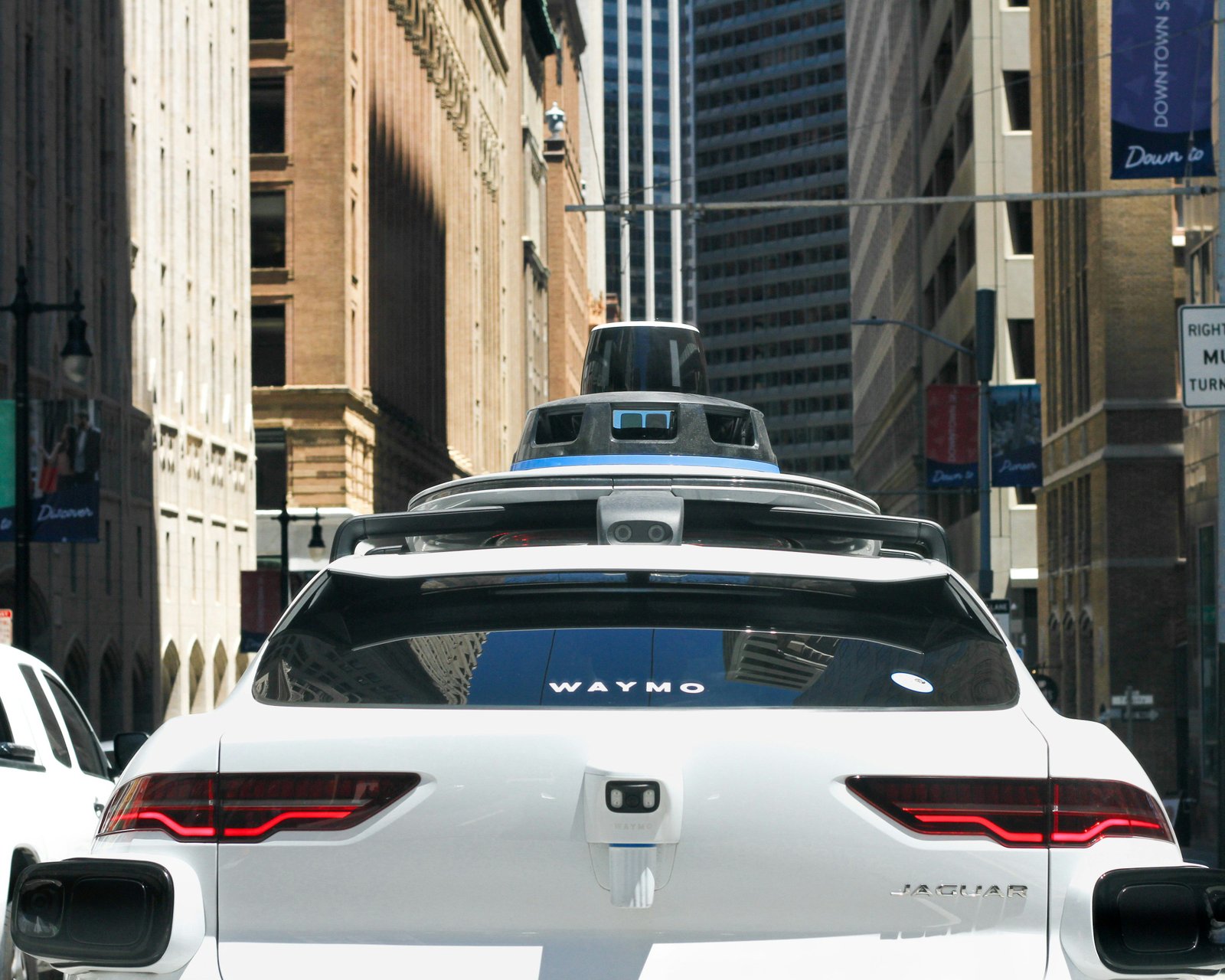
Waymo has long taken the approach of integrating a mix of cameras, radar, and lidar sensors into vehicles built by other manufacturers. This more conservative technological approach has allowed the company to scale to a fleet of around 4,000 robotaxis across 14 US cities, providing 500,000 paid trips per week.
At Tesla, CEO Elon Musk has long derided the use of lidar, calling it a “crutch.” Tesla has instead focused on making fully autonomous cars using just cameras and AI, spending years developing the Cybercab — a purpose-built two-seater with no steering wheel or pedals.
Thirumalai argued that a pure end-to-end neural architecture that “takes in raw pixels and directly outputs steering commands” will “run the risk of black box failures.”
“Even the best AI models with trillions of parameters still hallucinate,” he told Axios. “There is no click reboot or reload or refresh in physical AI. You have to deal with the consequences of it.”
The Cybercab Launch
Tesla is expected to formally introduce its Cybercab at a September 3 event. The company has started registering the vehicles with the Texas DMV, and social media users have spotted dozens of them sitting in parking lots around the country.
A recent filing shows Tesla aims to build more than 125,000 Cybercabs annually. The company has spent the last year trialing its own robotaxi network in a handful of cities in Texas and Florida using modified Model Y SUVs, only recently pulling safety monitors out of a majority of those cars.
The Cost Battle
Beyond technological differences, another fight is brewing: cost. Waymo’s approach is naturally more expensive, using more sensors and installing them on vehicles made by other manufacturers. Tesla makes its own cars and is betting its AI will be capable enough to never need anything other than cameras.
If Tesla can prove its approach works at scale, it could outcompete Waymo — and possibly even Uber — on price.
The Bottom Line
Waymo has taken shots at Tesla’s autonomous driving approach ahead of the Cybercab launch, arguing that full autonomy requires more than just cameras. Waymo, which uses a mix of sensors, operates thousands of robotaxis across 14 US cities. Tesla is set to unveil its two-seater Cybercab on September 3, betting that cameras and AI alone can achieve full autonomy.