Deliberations in the Lindsay Clancy trial came to a sudden halt after the jury informed the court for a third time that they could not reach a unanimous verdict. Judge William Sullivan announced his intention to declare a mistrial following seven days of intense debate over whether the Massachusetts mother was criminally responsible for the 2023 strangling deaths of her three young children, Cora, Dawson, and Callan. Defense attorney Kevin Reddington pushed back against the ruling, securing a brief one-hour window from the judge to file an emergency appeal before the panel of jurors is officially dismissed.
How the Deliberations Fell Apart
The decision comes after a six-week trial that gripped the nation and highlighted severe gaps in maternal healthcare. Under Massachusetts law, a judge can only instruct a deadlocked jury to keep working twice before accepting a final impasse. After receiving the third note on Friday morning stating that agreement was impossible, Sullivan moved to end the proceedings.
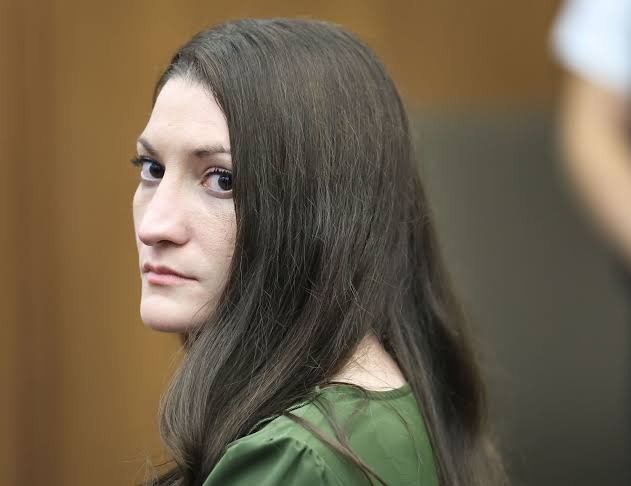
Throughout the case, two starkly different narratives emerged regarding Clancy’s state of mind on the day of the tragedy:
The Defense Argument: Attorney Kevin Reddington maintained that Clancy suffered from severe postpartum psychosis and failed psychiatric care. The defense presented testimony from medical experts showing she heard voices compelling her to act and was overwhelmed by a cocktail of prescription drugs.
The Prosecution Argument: Assistant District Attorney Jennifer Sprague argued that Clancy intentionally planned the act, sending her husband out on errands to buy time. Prosecutors claimed that despite her history of depression, Clancy was not in a state of psychosis during the event.
A Complex Case Driven by Maternal Health Issues
Clancy had pleaded not guilty to three counts of first-degree murder, with her legal team pursuing a verdict of not guilty by reason of lack of criminal responsibility due to mental illness. Beyond the legal strategy inside the courtroom, the proceedings drew massive public attention, causing widespread rallies from supporters calling for better diagnostic standards for new mothers experiencing psychiatric emergencies.
Opinion
Watching this trial end in a mistral without a clear resolution is deeply frustrating, but in this specific case, a deadlocked jury exposes just how difficult it is for the legal system to handle severe mental health crises. The tragic loss of three young lives is undeniable, yet applying standard criminal intent to a situation dominated by postpartum psychosis creates an impossible task for twelve ordinary citizens.
Our legal frameworks are built to determine simple guilt or innocence, but maternal psychiatric emergencies do not fit neatly into traditional legal boxes. When a mother repeatedly reaches out for psychiatric help, calls crisis lines, and is handed a rapid sequence of different medications without proper stabilization, the medical safety net has already failed. Expecting a jury to cleanly decide whether someone in the grip of a profound mental break was acting with cold, deliberate calculation shows how poorly prepared our courts are for complex psychiatric cases.
Declaring a mistrial does not bring peace to the family, nor does it offer a resolution to a public that watched this heartbreak unfold. Until the medical system learns to identify and treat postpartum psychosis before a catastrophe occurs, families will continue to suffer, and courts will remain trapped trying to assign standard criminal blame to profound medical breakdowns.