Jamaica is set to formally present King Charles with a petition seeking reparations for slavery, as the Caribbean nation pushes Britain to address the long-term consequences of the transatlantic slave trade.
The petition will be handed to Charles on Monday in his capacity as Jamaica’s head of state, according to Culture Minister Olivia Grange, who arrived in London with members of Jamaica’s National Council on Reparations.
Grange said the country had made progress despite historical and modern challenges but continued to face disadvantages inherited from slavery.
“We’re a resilient people. We were able to bounce back from [Hurricane] Melissa, for example,” she said.
“But we still have a lot of work to do, and you can imagine if we did not have those inherited problems, the legacy that came out of slavery, how much better we would have been able to do so,” Grange told the Guardian.
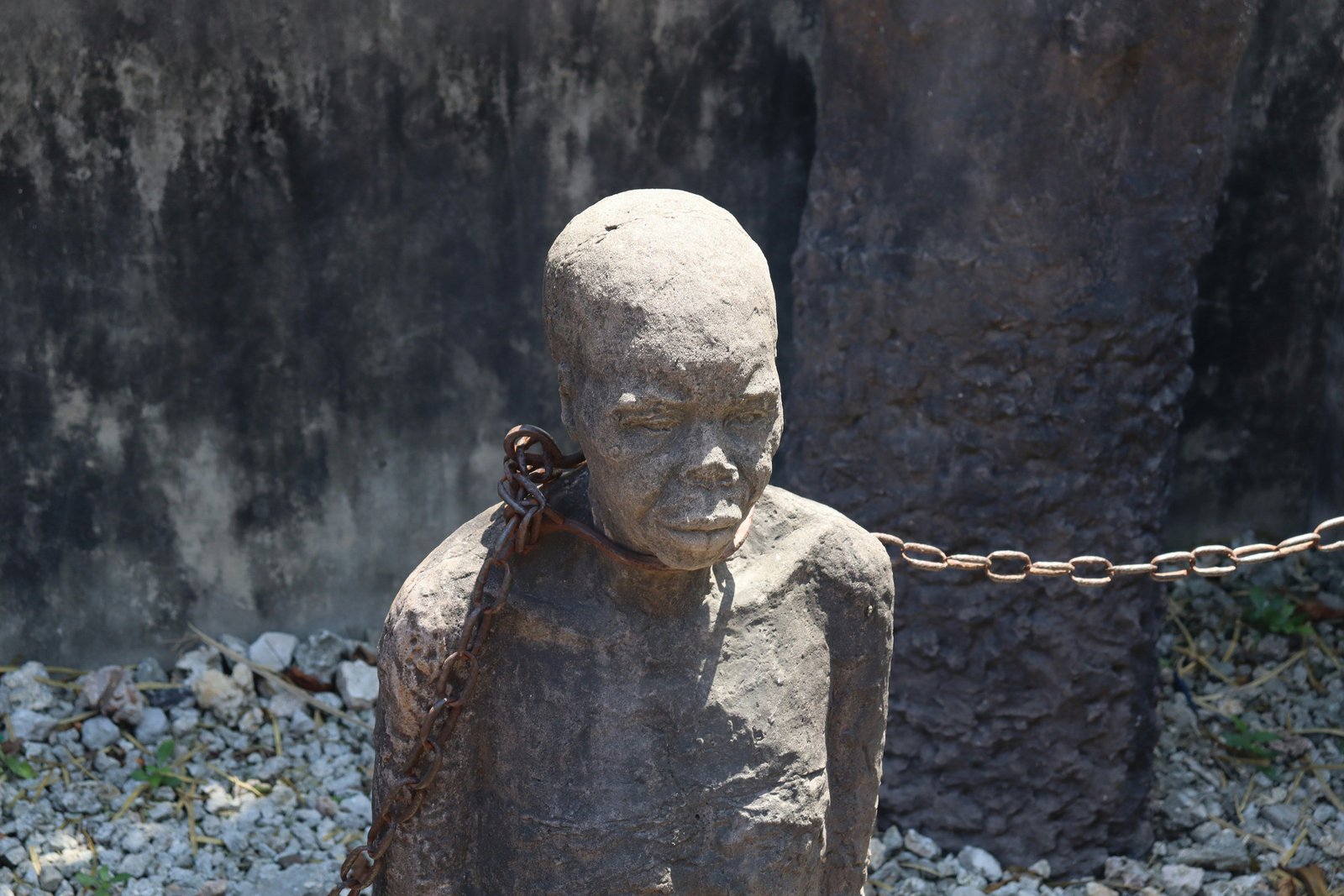
First announced in June last year, the petition asks King Charles to use his position to seek legal advice from the Judicial Committee of the Privy Council in London, which serves as the final court of appeal for UK overseas territories and several Commonwealth countries.
Jamaica wants the committee to determine whether the forced transportation of Africans to the island was lawful, whether slavery constituted a crime against humanity and whether Britain has a legal obligation to provide restitution for slavery and its continuing effects.
Grange said obtaining answers to those questions would be an important step towards advancing Jamaica’s reparations campaign.
Between the 15th and 19th centuries, more than 12.5 million Africans were kidnapped, forcibly transported to the Americas and sold into slavery.
According to Grange, Jamaica became the first Caribbean country to establish a national reparations mechanism in 2009. She said the initiative was created to address the continuing effects of slavery, which she believes have left Jamaica and other former colonies at a significant economic disadvantage.
She also linked the legacy of slavery to the region’s ability to deal with present-day challenges, including the climate crisis.
“We have inherited systems that continue to deprive our country and our people. The legacy in education, even in health, the way we eat, our diet because of what we were fed, our ancestors were fed,” she said.
Former St Vincent and the Grenadines Prime Minister Ralph Gonsalves, who helped establish the Caribbean Community Reparations Commission, backed Jamaica’s position.
“The present is very much the past, because what we are dealing with is the legacies of underdevelopment which you can source, and we do source, to native genocide and enslavement of African bodies,” he said on Sunday.
“People must remember this: that European nations were enriched because of the enslavement of African bodies.”
Gonsalves, who is now an elder and adviser to the Repair Campaign, described Jamaica’s delegation to Britain as an important development in the wider campaign for reparatory justice.
He pointed to several upcoming events, including a Caribbean reparations conference in Barbados later this month, advocacy efforts at the United Nations General Assembly in September and the Commonwealth Heads of Government Meeting in Antigua in November, which Charles is expected to attend.
Calls for Britain and other former colonial powers to acknowledge the consequences of transatlantic slavery and participate in reparatory justice efforts have grown internationally.
In March, 123 countries backed a landmark UN resolution describing chattel slavery as the gravest crime against humanity. The Caribbean followed in June with a manifesto setting out the “moral, ethical and legal case for reparations”.
Last month, a UN committee on the elimination of racial discrimination said countries were legally required to consider reparations for the transatlantic slave trade and take measures to address the continuing effects of racial discrimination.
Britain was among several European countries that abstained from the March UN vote. In October 2024, former British Prime Minister Keir Starmer also rejected calls for reparations to be included on the agenda of the Commonwealth Heads of Government Meeting.
Grange said she hoped the delegation’s visit would help encourage a constructive and unifying approach to the complicated history shared by Jamaica and Britain.
A palace spokesperson said Charles “has on many occasions expressed his personal and wholehearted commitment to promoting greater understanding around the issue of slavery and finding ways to address historic wrongs for the benefit of communities today.”
The Jamaican delegation held a remembrance church service in Brixton on Sunday and is expected to meet British MPs later in the week. It will also visit the British Museum to discuss the repatriation of Jamaican artefacts.
Grange said the reparations campaign was ultimately about building greater understanding and respect among people despite differences in history and heritage.
“We may have different history, different heritage, different skin colour, but it’s about humanity. It’s about, as a people, being able to live together, to work together, and to respect each other,” she said.
“And in our efforts to seek reparatory justice, we will use the opportunity to also promote and encourage what Jamaica is known for, One Love, because we have the song of the century through Bob Marley.”