Kenya’s government has warned foreign nationals that visa-free entry into the country does not give them the right to work, as authorities begin enforcing restrictions on migrants operating unlicensed small businesses.
President William Ruto had set today as the deadline for foreigners running small-scale businesses to stop their activities or obtain the required permits and licences.
The crackdown has sparked concern among foreign traders, particularly Burundians, with hundreds reportedly gathering at Burundi’s embassy in Kenya to obtain travel documents.
The embassy had earlier announced that it would issue emergency free travel documents to Burundian citizens who wished to return home.
It remains unclear how many foreign nationals are involved in small-scale trading across Kenya or how many could be affected by the government’s measures.
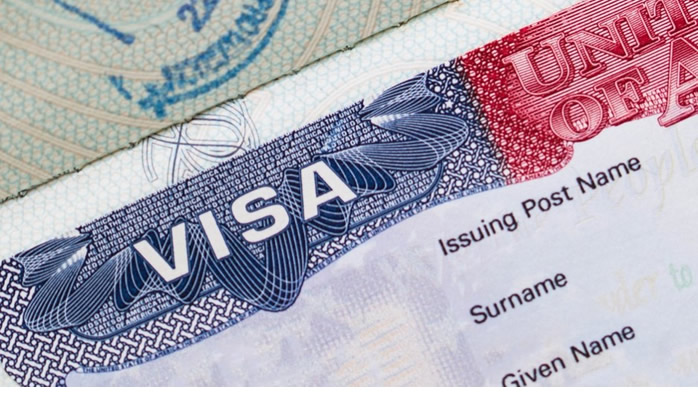
In a statement, Kenya’s Trade Ministry accused some visitors of a “deliberate misuse of visa applications”, saying certain foreigners had entered the country as tourists or investors before engaging in business activities that violated their declared status.
Trade Minister Lee Kinyanjui said the high number of foreigners involved in retail and local trade had made it necessary to ensure compliance with work permit regulations.
“Owing to the high number of foreigners involved in the retail and local trade sectors, there is therefore a need to align their activities and ensure compliance with work permit provisions,” Kinyanjui said.
Ruto had last week maintained that Kenya remained open to foreign investment but argued that foreigners should create jobs and increase production rather than compete with Kenyans in small-scale businesses.
“It cannot be that a person comes from China or elsewhere to be a hawker or open a small shop,” he said.
The president’s remarks triggered mixed reactions, with critics accusing his administration of making populist statements that could encourage xenophobia. Government officials have denied the claims.
The issue has also raised concerns in Burundi, with Foreign Affairs Minister Edouard Bizimana warning that the situation could affect Kenyans living and working in Burundi.
“Kenyans in Burundi were living peacefully but if the hate speech against Burundi continues things will certainly change,” Bizimana said in a post on X.
“Kenya government is responsible for the lives of Burundians living in Kenya,” he added.
Bizimana’s comments came after an urgent meeting with representatives of the East African Community (EAC), an eight-member regional bloc focused on promoting economic integration.
Kenya and Burundi are both members of the EAC, while Kenyan representatives attended the meeting convened by Bizimana.
The Burundian minister said he had asked the Kenyan ambassador to convey Burundi’s concerns to the Kenyan government and ensure that Burundians were not subjected to abuse.
Kenyan officials have, however, clarified that foreigners with the necessary documentation can continue working and operating businesses in the country.
Permanent Secretary in Kenya’s Foreign Affairs Ministry, Korir Sing’oei, said foreign nationals who have the required documents, including work permits and licences, remain free to conduct their activities.
“Burundian nationals and all East Africans – and Africans for that matter – are free to live in Kenya as long as they conduct their businesses or work according to the requirements of our laws,” Sing’oei said.
The clarification has done little to calm concerns among some foreign traders who fear losing their livelihoods.
Alexis Ntinanirwa, head of the Association of Burundians living in Kenya, said he was unhappy with Ruto’s decision but urged Burundians to remain patient and avoid confrontation.
He also warned that the crackdown could have wider implications across East Africa, noting that Kenyans also engage in small-scale businesses in neighbouring countries.
“This issue is not only going to cause problems for Burundians working in Kenya, but it is also going to cause problems in the region because there are also Kenyans doing these small jobs in our countries in Burundi, Tanzania and Uganda.”
Ntinanirwa urged Burundians involved in hawking and other small businesses to avoid confrontations with police.