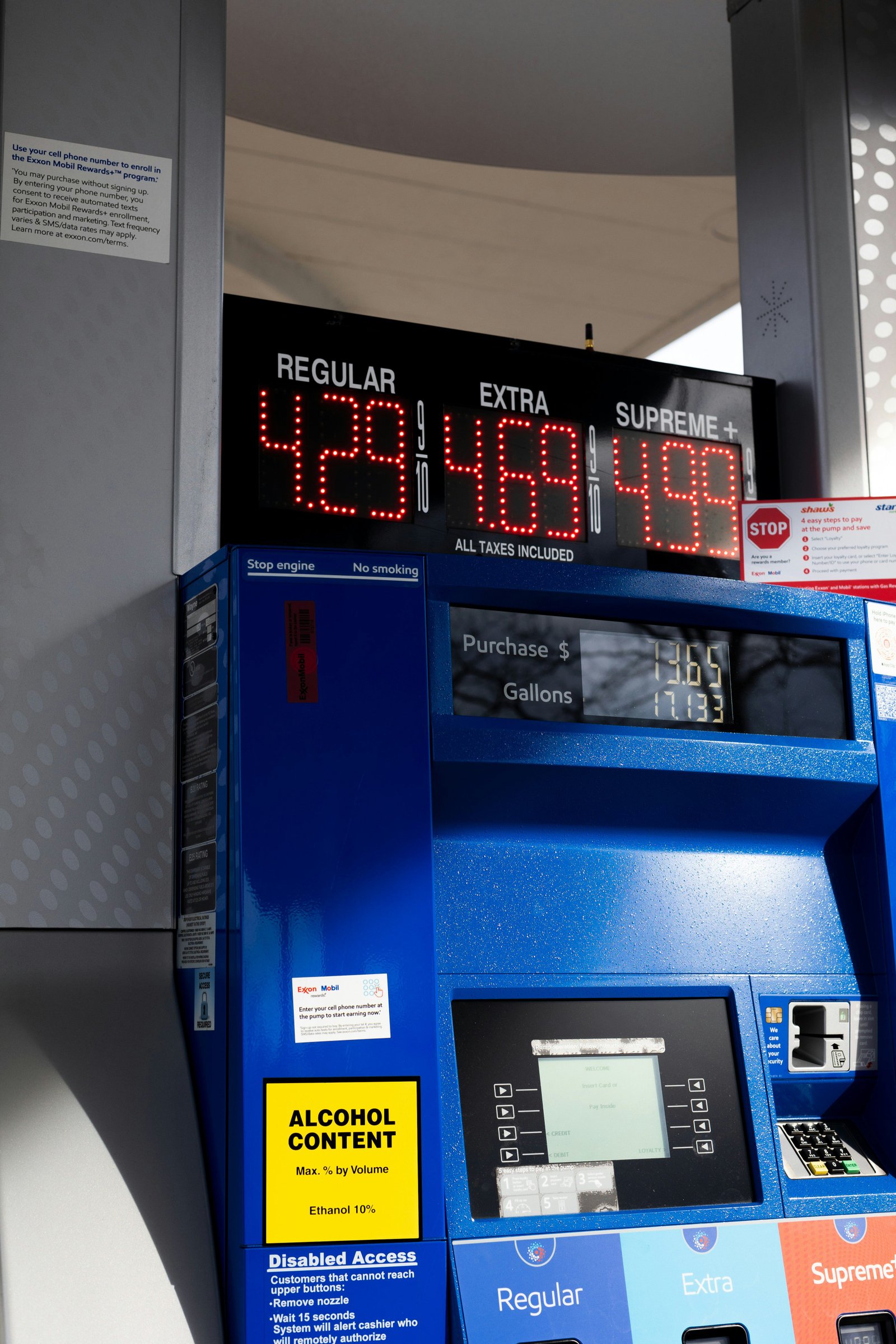

Diesel prices jump across the nation as the ongoing Trump war hits fuel supplies hard, pushing costs to a record $6.05 per gallon. Daily life is getting harder for everyday drivers, truckers, and small businesses alike. What used to be a steady expense has turned into a major financial headache, with extra shipping fees quickly making their way down to grocery store receipts and basic goods.
Why Diesel Prices Jumped to Unprecedented Levels
The main engine driving this sudden spike is simple: the ongoing Middle East conflict has thrown global supply networks into confusion. As military strikes and maritime blockades choke off essential shipping routes like the Strait of Hormuz and the Bab el-Mandeb Strait, oil tankers are delayed, rerouted, or stuck in place. When raw crude supplies tighten worldwide, refining fuel gets much more expensive. Because transport fleets depend heavily on diesel, any interruption in crude distribution instantly pushes prices up at the pump.
How the Conflict is Escalating
Decisions made in the white House often hit home at local gas stations. The administration’s choice to maintain a tough military stance has prolonged tensions in key oil-producing corridors. While political leaders argue over long-term geopolitical strategies, the immediate fallout falls squarely on working families. Refineries are working overtime to cover domestic demand, but without clear stability in global supply channels, fuel costs remain volatile and unpredictably high.
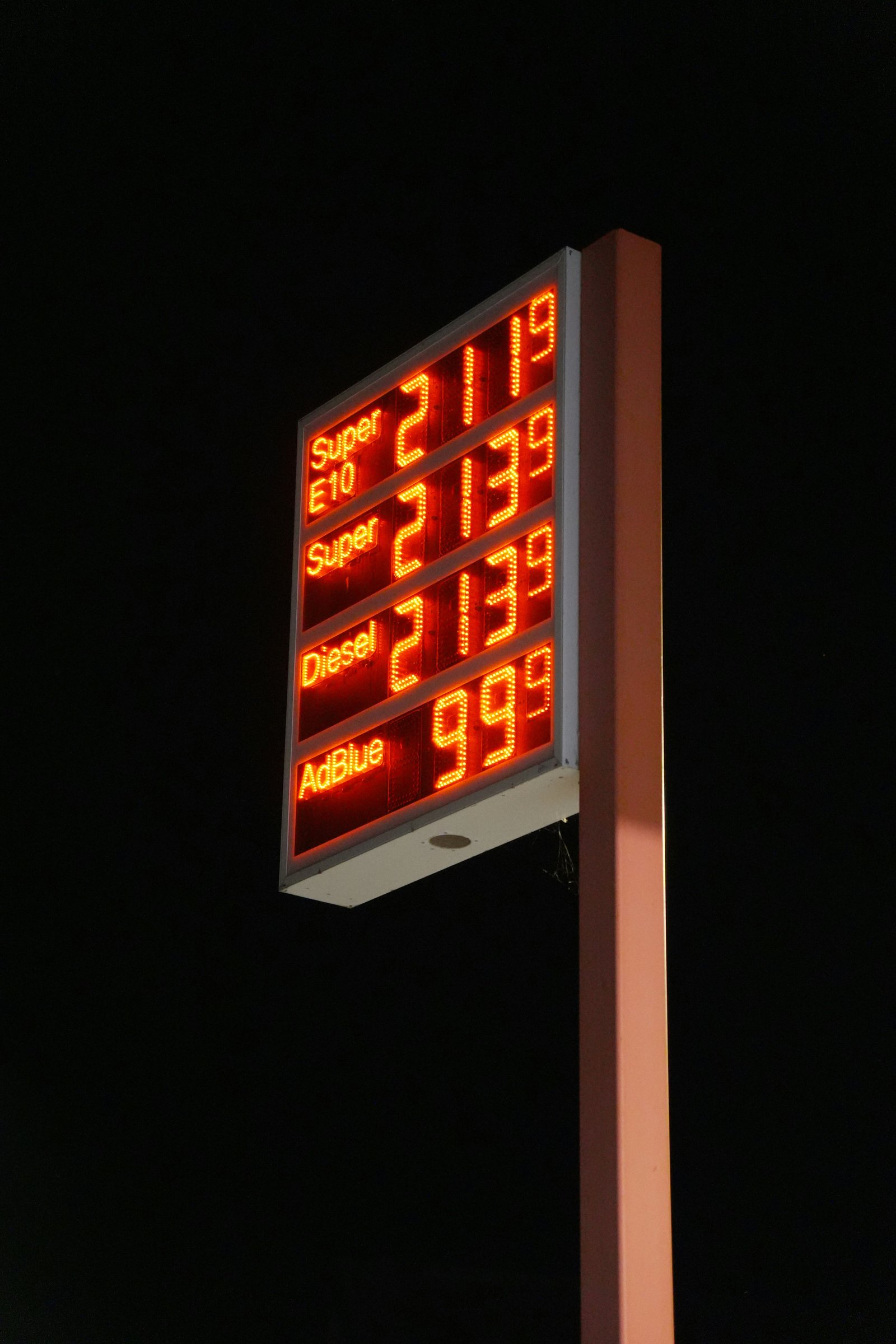
What Rising Costs Mean for Truckers, Farming, and Everyday Goods
High diesel prices do not stay at the pump. Trucks deliver almost everything sold in retail stores, from fresh produce to electronics. Farmers rely on heavy diesel equipment to plant, harvest, and transport food. When fuel prices climb this high, shipping companies are forced to add heavy fuel surcharges. Those costs travel down the supply chain, ultimately raising the price tags on store shelves and placing extra strain on household budgets nationwide.
Opinion
Numbers on a billboard tell only half the story. It is easy for political speeches to treat fuel spikes as temporary problems, but the reality on the ground feels far more personal. Small trucking operators are watching their profit margins vanish overnight, while families are forced to cut back on essentials just to afford their daily commutes. When basic energy becomes this expensive, it touches every single corner of daily life. Pragmatic policy choices and clear diplomacy must take priority over endless confrontation. Long-term stability demands solutions that protect working people from bearing the financial brunt of international conflict.
Bottom Line
The reality remains dire: diesel prices hit a $6 record as the Trump war hits fuel supplies, creating real pressure for businesses and consumers alike. Until international routes stabilize and tension eases, rising shipping fees will continue pushing up the cost of living. Finding a path toward regional balance is no longer just a policy debate; it is an urgent economic necessity for everyday life